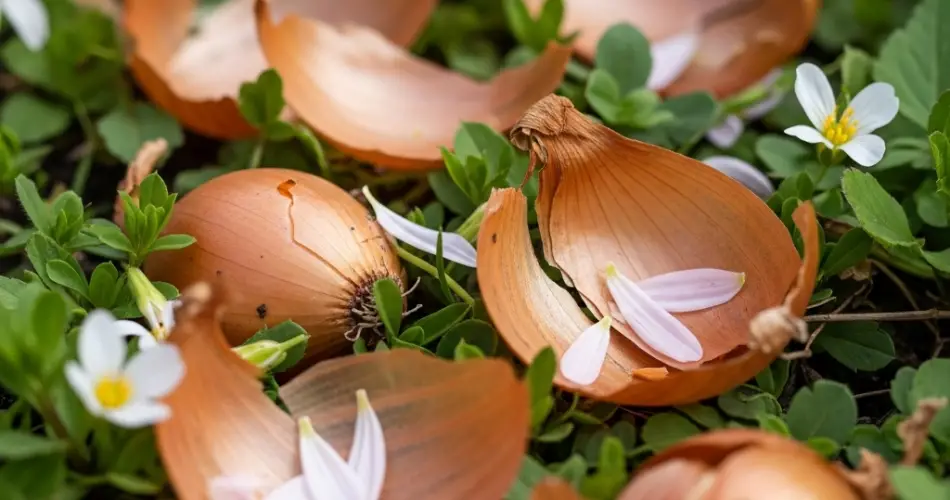
Many gardeners are familiar with the power of compost and organic fertilizers, but one humble kitchen ingredient often gets overlooked: the onion. Packed with sulfur, calcium, potassium, and a range of antioxidants, onions offer more than culinary value—they can be transformed into a powerful fertilizer that encourages greener leaves, stronger stems, and more abundant flowering.
If your garden is struggling with pale foliage, weak growth, or low bloom production, onion fertilizer might be the natural solution you’ve been looking for. Easy to make and apply, this homemade plant tonic boosts both the health and aesthetics of your plants using ingredients you already have at home.
Why Onion Fertilizer Works
Onions are rich in essential nutrients and organic compounds that support plant health:
-
Sulfur is a key component in chlorophyll production, which gives leaves their green color and supports photosynthesis.
-
Potassium enhances flower development and strengthens plant tissues.
-
Calcium supports cell wall structure and root development.
-
Antioxidants and antimicrobial compounds in onions help defend plants from pests and fungal infections.
Used regularly, onion fertilizer improves overall plant vigor, resulting in lusher foliage and more vibrant blooms.
Best Plants for Onion Fertilizer
This natural fertilizer is especially effective for:
-
Flowering plants like petunias, marigolds, hibiscus, roses, and geraniums.
-
Leafy vegetables such as spinach, kale, and lettuce, where green growth is critical.
-
Fruit-bearing plants that benefit from robust foliage and flower production, such as tomatoes, peppers, cucumbers, and strawberries.
-
Indoor plants like pothos, peace lilies, and ferns.
Avoid using it directly on onion-family crops (like garlic, chives, or leeks), as too much of the same sulfur compounds can inhibit their growth.
How to Make Onion Fertilizer at Home
Creating your own onion-based fertilizer is simple and cost-effective. Here’s a basic recipe to get you started.
Ingredients:
-
2 medium or large onions (any variety)
-
1 liter (about 4 cups) of clean water
-
A blender or grater
-
A fine strainer or cheesecloth
-
Optional: 1 teaspoon of mild liquid soap (for foliar applications)
Instructions:
-
Prepare the Onions: Peel the onions and chop them into small pieces.
-
Blend or Grate: Place the pieces into a blender with 1 cup of water and blend into a smooth mixture. If a blender isn’t available, you can grate the onions finely by hand.
-
Add Water: Transfer the mixture into a container and add the remaining water. Stir well.
-
Strain: Use a fine strainer or cheesecloth to remove solids. This step is important, especially if you’ll be using a spray bottle.
-
(Optional) Add Soap: Add a small amount of mild liquid soap to help the spray cling to plant leaves if you’re using it as a foliar fertilizer.
-
Use Immediately: For best results, use the mixture fresh. You can store it in the fridge for up to three days, but it’s most effective right after preparation.
How to Apply Onion Fertilizer
Depending on your goal, you can use onion fertilizer in two different ways.
1. As a Soil Drench
This method delivers nutrients directly to the root zone and is ideal for encouraging greener leaves and healthy root development.
-
Pour the onion solution around the base of the plant.
-
Use ½ to 1 cup per plant, depending on size.
-
Apply every 10–14 days during the active growing season.
2. As a Foliar Spray
Spraying directly on the leaves helps improve photosynthesis and repel pests. This is especially useful for plants that are not thriving or are showing signs of nutrient deficiencies.
-
Spray on both the top and underside of leaves.
-
Avoid applying during midday sun—early morning or late afternoon is best.
-
Apply once every 7–10 days.
Tip: Always test on a small section of a plant before applying widely, especially on delicate or young plants.
Benefits of Regular Use
When used consistently, onion fertilizer promotes:
-
Deeper green foliage due to increased chlorophyll production.
-
More flowers and fruit thanks to balanced nutrients and improved plant vigor.
-
Disease resistance, particularly against fungal and bacterial issues.
-
Pest deterrence from the strong sulfurous aroma, which naturally repels soft-bodied insects.
It’s a simple but powerful way to boost plant health without relying on synthetic chemicals.
Important Reminders
-
Use fresh ingredients for maximum potency.
-
Avoid overuse, especially in potted plants—too much can overwhelm roots or attract unwanted microbes.
-
Keep the mixture away from pets, as the strong onion scent may linger temporarily.
-
Do not apply on very young seedlings, as they may be more sensitive to sulfur-rich compounds.
Final Thoughts
Onion fertilizer is a surprisingly effective solution for gardeners looking to enrich their plants naturally. Whether you want lusher leaves, stronger roots, or a garden bursting with flowers, this DIY fertilizer offers a chemical-free alternative that’s gentle on your soil and beneficial for a wide variety of plants.
With just a few onions and a bit of preparation, you can give your garden the boost it needs—and enjoy a greener, more colorful growing space all season long.


