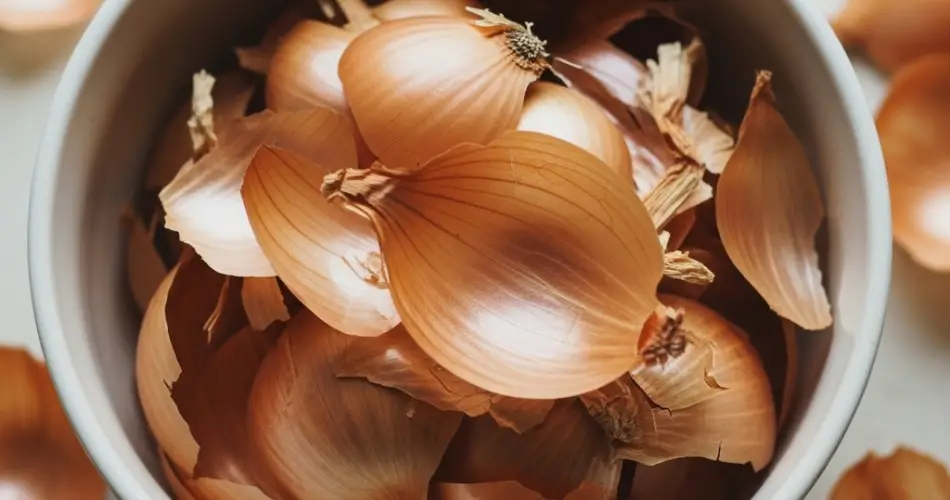
What many gardeners toss into the compost bin—or even the trash—might just be one of the most underrated organic fertilizers available: onion peels. These paper-thin skins left behind from everyday cooking are packed with nutrients that plants love, and using them in the garden is an easy, eco-friendly way to boost plant growth and reduce kitchen waste.
Whether you’re growing vegetables, herbs, flowers, or houseplants, learning how to fertilize with onion peels can bring noticeable improvements in plant health. Here’s everything you need to know.
Why Onion Peels Are a Great Fertilizer
Onion peels are rich in essential nutrients like:
-
Potassium – Vital for strong stems, flowering, and fruit production.
-
Calcium – Helps build strong plant cell walls and prevents disorders like blossom end rot.
-
Magnesium and Iron – Key elements for chlorophyll formation and photosynthesis.
-
Sulfur compounds – Known for their natural antifungal and antibacterial properties.
These nutrients make onion peels a powerful, natural supplement that not only feeds your plants but also supports disease resistance and overall plant immunity.
Benefits of Using Onion Peels in the Garden
-
Improves Soil Fertility
As onion peels break down, they release minerals and organic matter that enhance soil structure and feed soil microbes—essential for nutrient cycling and root development. -
Boosts Plant Immunity
Thanks to sulfur compounds, onion peels can help suppress fungal growth and reduce the risk of common diseases like powdery mildew or root rot. -
Repels Pests Naturally
The strong smell of onion can deter insects like aphids, mites, and certain caterpillars. When used as a foliar spray or soil soak, onion peels serve as a natural pest repellent. -
Reduces Kitchen Waste
Using onion peels as fertilizer is a simple way to practice zero-waste gardening and give back to the soil without spending money on commercial products.
How to Fertilize with Onion Peels: Methods and Tips
There are several effective ways to use onion peels to nourish your garden, depending on your plants and setup. Here are the most popular techniques:
1. Onion Peel Tea (Liquid Fertilizer)
Making a tea from onion skins is one of the easiest and most efficient ways to deliver nutrients to your plants.
What You’ll Need:
-
A handful of dry onion peels (red, yellow, or white)
-
1 liter (about 4 cups) of water
-
A container or jar with a lid
How to Make It:
-
Place the onion peels into the container.
-
Pour in the water and let it steep for 24–48 hours.
-
Strain the mixture and discard the solids in your compost pile.
-
Use the liquid to water plants at the base or apply it as a foliar spray.
When to Apply:
-
Once every 1–2 weeks during the growing season.
-
More frequently during flowering and fruiting stages.
This gentle, potassium-rich fertilizer supports robust root growth and greener leaves.
2. Mix Peels Directly into Soil
You can also work onion peels directly into garden beds, potting mixes, or planting holes. This slow-release method enriches the soil over time.
Tips:
-
Chop or tear the peels into smaller pieces for faster decomposition.
-
Mix into the soil 2–3 inches deep, away from plant stems.
-
Combine with compost or other organic matter to prevent strong odors.
This method is ideal for long-term soil conditioning and works well for outdoor beds and containers alike.
3. Use as Mulch
Onion skins can serve as a light mulch layer to help retain moisture, suppress weeds, and feed the soil.
How to Do It:
-
Spread a thin layer of dried onion peels around the base of your plants.
-
Top with a heavier mulch (like straw or wood chips) to keep the peels in place.
While this method isn’t as nutrient-rich as liquid feeding, it provides steady enrichment as the peels break down.
4. Add to Compost
If you’re already composting, toss your onion peels into the pile. They’re considered a “green” material (nitrogen-rich) and add valuable minerals to your finished compost.
Note: Avoid adding large quantities of whole onions or thick layers of peels in small bins, as they may cause odor or slow down decomposition.
Best Plants for Onion Peel Fertilizer
Onion peel fertilizer benefits a wide variety of plants, including:
-
Leafy greens like spinach, lettuce, and kale
-
Fruit-bearing crops such as tomatoes, peppers, and cucumbers
-
Root vegetables like carrots, radishes, and beets
-
Flowering plants and ornamentals
-
Indoor houseplants for overall greener foliage
Just avoid using onion peels in close proximity to allium family members (onions, garlic, leeks), as they may compete for similar nutrients.
Precautions
-
Always strain onion tea before using in spray bottles to avoid clogging.
-
Store prepared onion tea in a cool place and use within a few days.
-
Don’t overapply—once a week is plenty for most plants.
-
If you’re unsure how a specific plant will react, test on a small section first.
Final Thoughts
Fertilizing with onion peels is an easy, sustainable, and budget-friendly way to boost plant health and enrich your soil. Whether steeped into tea, mixed into the soil, or used as mulch, onion skins deliver vital nutrients while keeping garden care chemical-free.
The next time you cook with onions, save those peels. With just a little effort, you can turn them into gold for your garden—naturally.


