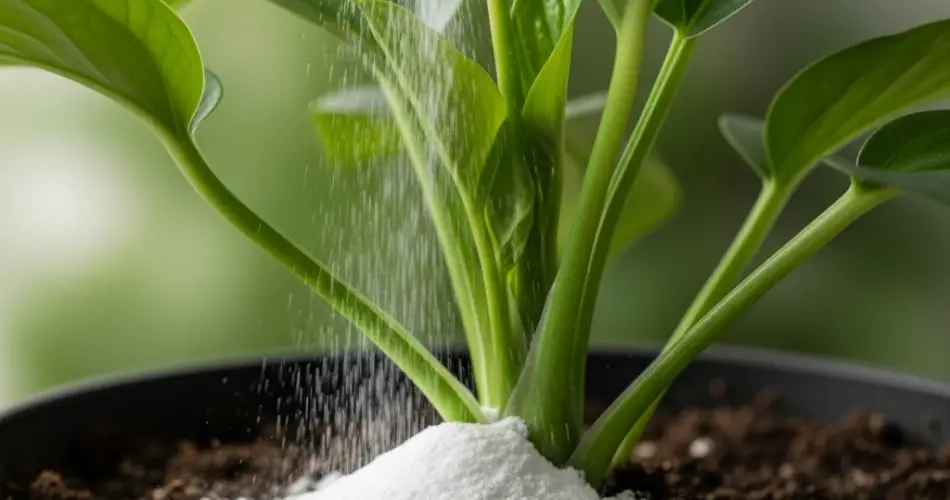
Baking soda isn’t just a kitchen staple—it’s a versatile, affordable, and eco-friendly solution for many common gardening problems. From pest control to disease prevention, this humble white powder can help improve plant health and maintain a cleaner, greener garden.
If you’re looking for simple, chemical-free gardening solutions, here are five effective ways to use baking soda in your garden.
1. Combat Fungal Diseases Naturally
One of baking soda’s most popular uses in the garden is its ability to fight fungal diseases. Thanks to its mild alkaline nature, it can help neutralize the pH on plant surfaces, making it harder for fungal spores to grow and spread.
Common fungal issues baking soda can help manage:
-
Powdery mildew
-
Black spot on roses
-
Leaf spot
-
Early blight
DIY Baking Soda Fungicide Spray:
-
1 tablespoon of baking soda
-
1 teaspoon of mild liquid soap (like Castile or dish soap)
-
1 liter (about 4 cups) of water
How to use:
Mix all ingredients and spray directly onto affected plant leaves early in the morning or late afternoon. Apply weekly during warm, humid conditions when fungal growth is more likely. Be sure to test on a few leaves first to check for sensitivity.
2. Keep Aphids and Other Insects at Bay
Baking soda can also be used as a gentle insect deterrent when combined with other natural ingredients. It won’t kill beneficial insects like ladybugs or bees, but it can help manage small pest populations like aphids, whiteflies, and mites.
Simple Natural Pest Spray:
-
1 tablespoon of baking soda
-
1 teaspoon of vegetable oil
-
1 liter of water
Shake well before use and spray on affected leaves, especially the undersides where pests often hide. Reapply after rain or every 7 days if pests persist.
3. Freshen Up Garden Tools and Containers
Baking soda is a natural cleanser and deodorizer, making it perfect for cleaning pots, seed trays, and garden tools without harsh chemicals.
How to clean with baking soda:
-
Mix baking soda with a bit of water to form a paste.
-
Apply the paste to tools, containers, or even greenhouse glass.
-
Scrub gently with a brush or sponge, then rinse thoroughly.
This method helps remove plant sap, soil residue, and potential pathogens, keeping your equipment in top shape for healthier gardening.
4. Neutralize Soil Acidity
If your soil is too acidic, certain plants may struggle to absorb nutrients properly. While baking soda isn’t a long-term soil amendment like lime, it can be used sparingly to temporarily raise soil pH, especially for plants that prefer neutral to slightly alkaline conditions.
How to use:
-
Dissolve 1 tablespoon of baking soda in 1 gallon of water.
-
Water the base of plants that benefit from less acidic soil, such as cabbage, spinach, or beets.
Caution: Always test your soil’s pH before applying baking soda, and don’t use this method frequently, as overuse can disrupt soil balance and harm beneficial microbes.
5. Sweeten the Flavor of Tomatoes
Some gardeners believe that sprinkling baking soda around the base of tomato plants can reduce soil acidity slightly and lead to sweeter fruit. While results can vary depending on your soil type, it’s a popular trick for tomato growers.
How to do it:
-
Lightly sprinkle a small amount (no more than a teaspoon) of baking soda around the base of each tomato plant.
-
Water gently to help the soda soak into the soil.
Note: Don’t let baking soda touch the plant leaves or stems, as it may cause damage if applied directly.
Bonus Tip: Freshen Garden Paths and Patios
If you have moss, mildew, or stains on your garden paths, patios, or walkways, baking soda can act as a mild cleaner. Sprinkle it onto damp surfaces and scrub with a stiff brush. Rinse with water for a clean, odor-free finish.
Things to Keep in Mind
-
Baking soda is a mild compound but should still be used carefully. Overuse can alter soil composition or irritate sensitive plants.
-
Always spot-test any homemade spray on a few leaves before widespread use.
-
Avoid using baking soda sprays during peak sun hours, as this can increase the chance of leaf burn.
Final Thoughts
Baking soda offers a safe, budget-friendly, and surprisingly effective range of solutions for common garden issues. Whether you’re tackling pests, fighting off mildew, or giving your tools a clean refresh, this pantry staple can make a big difference in how your garden grows.
Next time you head outside with your watering can or pruning shears, don’t forget the box of baking soda. Your plants—and your wallet—will thank you.


