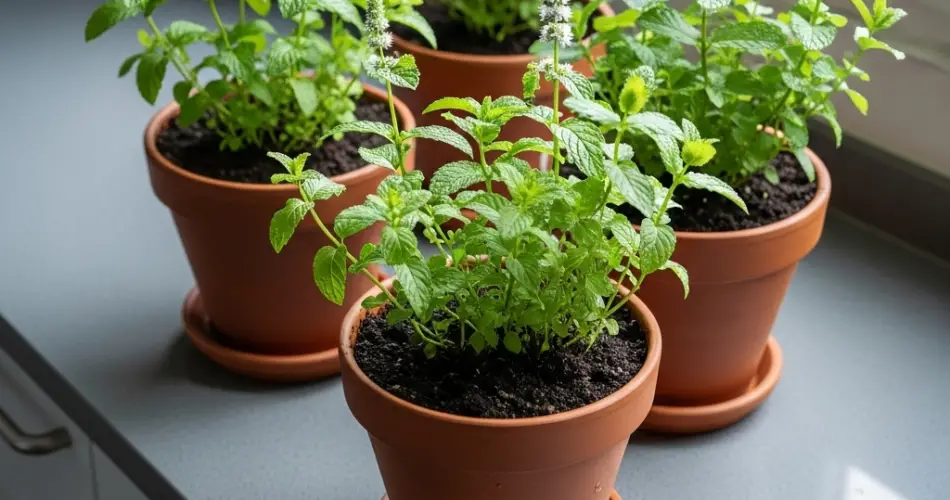
Mint (Mentha spp.) is a wonderfully fragrant and fast-growing herb that thrives indoors with very little effort. Whether you enjoy it in teas, desserts, sauces, or cocktails, having a pot of fresh mint right on your windowsill brings a burst of flavor and greenery into your kitchen. Its attractive leaves and refreshing aroma make it a functional and decorative addition to your home.
Growing mint indoors is simple, even for beginners. With the right setup, you can enjoy fresh leaves all year round without stepping outside.
Why Grow Mint Indoors?
Mint is one of the best herbs for indoor growing. It adapts well to container life and grows quickly in moderate conditions. Growing mint indoors helps control its invasive nature—outdoors, mint spreads aggressively and can take over garden beds. In a pot, its roots are contained, and you can enjoy its benefits without the worry of it spreading.
Indoor mint is also protected from pests and seasonal weather changes. It offers convenient access anytime you want to add a refreshing herbal touch to your meals or drinks.
Choosing the Right Mint Variety
There are many types of mint, each with its unique scent and flavor. The most common and suitable for indoor growing include:
-
Spearmint (Mentha spicata): Mild and sweet; excellent for cooking and teas.
-
Peppermint (Mentha × piperita): Strong and cooling; great for desserts and herbal remedies.
-
Chocolate Mint: A peppermint variety with a hint of cocoa aroma.
-
Apple Mint: Fuzzy leaves with a subtle fruity scent.
Choose a variety that suits your taste and intended culinary uses.
Selecting a Container
Mint thrives in containers, but it needs room for root expansion. Choose a pot that is at least 8–10 inches wide and 6–8 inches deep. Mint prefers moist but not soggy soil, so proper drainage is essential. Ensure your pot has good drainage holes and place a saucer underneath to catch excess water.
Clay or terracotta pots are ideal because they help wick away moisture and reduce the risk of overwatering.
Best Soil for Mint
Mint grows best in rich, well-draining soil. Use a high-quality potting mix with added compost or organic matter to keep the plant healthy and vigorous. The soil should retain some moisture but not remain wet for long periods.
Avoid garden soil, which may compact in containers and hold too much water. You can also mix in a small amount of perlite or sand to improve drainage and aeration.
Planting Mint Indoors
You can grow mint from seeds, but starting with a young plant or cutting is faster and more reliable.
To plant from a cutting:
-
Take a 4–6 inch stem from a healthy mint plant.
-
Remove the lower leaves and place the stem in a glass of water.
-
Once roots form (typically in 5–10 days), transplant the cutting into a pot filled with moist potting mix.
-
Water gently to settle the roots.
Position the plant on a sunny windowsill where it can receive at least 4–6 hours of light daily. A south- or west-facing window works best.
Light and Temperature Requirements
Mint prefers bright, indirect sunlight. Too much direct sun can cause the leaves to burn, especially through hot windows. If your kitchen doesn’t receive enough light, consider using a small grow light to supplement.
Mint grows well in temperatures between 60–75°F (15–24°C). It can tolerate cooler conditions but should be kept away from cold drafts and heating vents.
Watering and Feeding
Mint likes consistently moist soil but does not tolerate soggy conditions. Water when the top inch of soil feels dry to the touch. Always empty the saucer beneath the pot to prevent root rot.
Fertilize every 4–6 weeks with a diluted, balanced liquid fertilizer. Over-fertilizing can result in overly leafy plants with less flavor, so stick to light feeding for best taste and growth.
Pruning and Harvesting
Regular pruning keeps mint bushy and productive. Once the plant reaches about 4–6 inches tall, begin harvesting by pinching or snipping leaves or stems just above a leaf node. This encourages branching and prevents the plant from becoming leggy.
Avoid letting the mint flower, as flowering can reduce leaf quality and flavor. Remove flower buds as soon as they appear to prolong leaf production.
Managing Pests and Problems
Mint grown indoors is relatively pest-free but can occasionally attract spider mites or aphids. If pests appear, wipe the leaves with a damp cloth or spray with a gentle soap solution.
Avoid overwatering, which can lead to root rot or fungal issues. Proper drainage, good air circulation, and moderate watering will keep your mint plant healthy.
Rejuvenating and Replanting
Over time, indoor mint can become woody or tired. To keep a continuous supply, take fresh cuttings every few months and start new plants. Alternatively, divide the root ball if the plant becomes root-bound and replant in fresh soil.
Final Thoughts
Growing mint on your windowsill is a simple, low-maintenance way to enjoy fresh herbs year-round. With just a bit of sunlight, water, and occasional pruning, mint will thrive indoors and supply you with flavorful leaves whenever you need them. Whether steeped in a tea, muddled into a drink, or sprinkled on a dish, fresh mint from your kitchen is both a convenience and a joy.


