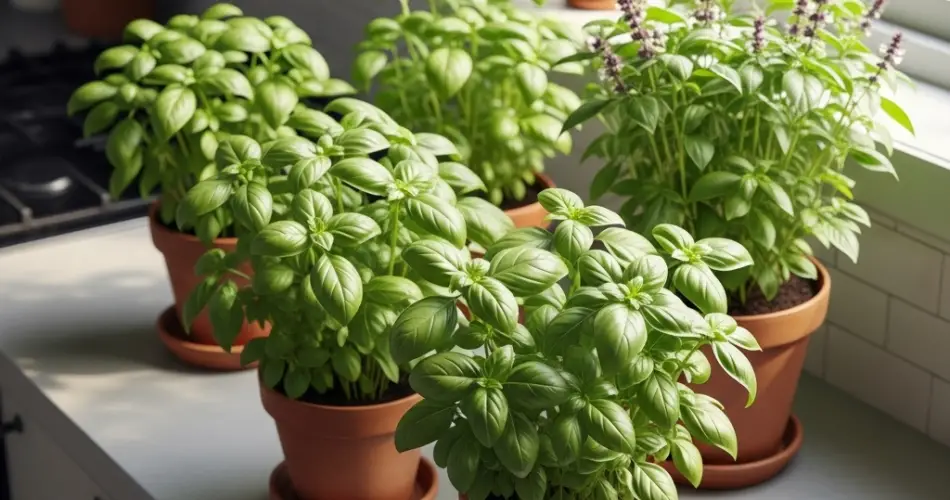
Basil is a beloved herb known for its vibrant green leaves, sweet aroma, and unmistakable flavor that enhances countless dishes, from pasta sauces to salads and pesto. Growing basil in your kitchen is a convenient and satisfying way to keep fresh herbs at your fingertips all year long. With just a small space, some sunlight, and a bit of care, you can enjoy a steady supply of basil without needing a full garden.
Here’s a complete guide to starting and maintaining a thriving basil plant indoors.
Why Grow Basil Indoors?
Basil is one of the best herbs for indoor cultivation because it’s fast-growing, easy to maintain, and thrives in containers. Growing basil in your kitchen ensures that you always have fresh leaves within arm’s reach when cooking. It’s also more cost-effective than buying small bunches from the store that spoil quickly.
In addition, basil adds a touch of greenery and a pleasant fragrance to your indoor space, making your kitchen feel more lively and inviting.
Choosing the Right Basil Variety
There are several varieties of basil, each with its own unique flavor and appearance. For indoor gardening, compact or dwarf varieties are often the best choice. Some excellent options include:
-
Genovese Basil – Classic Italian basil with large, aromatic leaves.
-
Greek Basil – Small leaves and a more compact, bushy growth.
-
Lemon Basil – Bright citrus aroma, perfect for teas and seafood dishes.
-
Purple Basil – Beautiful dark foliage with a slightly spicier flavor.
You can experiment with different types or stick to the variety you use most often in your cooking.
Selecting the Container
Basil grows well in containers, but it does need space for its roots. Choose a pot that is at least 6 to 8 inches deep with drainage holes at the bottom. You can use a standard clay or ceramic pot, a plastic planter, or even a small window box if growing multiple plants.
Ensure the container allows excess water to drain to avoid root rot, a common issue with indoor herbs.
Soil and Planting
Basil prefers light, fertile, well-draining soil. A high-quality potting mix designed for herbs or vegetables will work well. You can improve drainage by mixing in a bit of perlite or coarse sand.
To plant from seed, scatter the seeds on the surface of moist soil and cover them lightly with a thin layer of soil. Keep the soil consistently moist until the seeds germinate, usually within 5 to 10 days. If using starter plants, transplant them gently into the container and water thoroughly.
Light Requirements
Basil needs at least 6 to 8 hours of direct sunlight daily. A sunny south-facing window is ideal for indoor basil. If natural light is limited, supplement with a grow light placed a few inches above the plant. Without enough light, basil can become leggy and weak.
Rotate the pot every few days to ensure even growth and prevent the plant from leaning toward the light.
Watering and Humidity
Basil likes moist but not soggy soil. Water the plant when the top inch of soil feels dry. Ensure the container drains well and never let the plant sit in standing water.
Indoor air can be dry, especially during winter. You can increase humidity by placing the pot on a tray filled with pebbles and water or misting the leaves occasionally.
Fertilizing
Basil benefits from regular feeding to stay lush and productive. Use a balanced, water-soluble fertilizer once a month during the growing season. Avoid over-fertilizing, as it can affect the flavor and lead to excessive leaf growth without the desired aroma.
Organic options like compost tea or fish emulsion also work well for nourishing basil.
Pruning and Harvesting
Pruning is key to maintaining a healthy, bushy basil plant. Once the plant reaches about 6 inches tall, begin pinching off the top leaves to encourage branching. Always harvest from the top rather than the bottom to keep the plant growing strong.
Regular harvesting not only gives you fresh herbs but also helps prevent the plant from flowering. Once basil flowers, its leaves may become bitter. If flower buds appear, pinch them off immediately.
Common Problems and Solutions
-
Yellow Leaves: Usually caused by overwatering or poor drainage. Let the soil dry out slightly before watering again.
-
Leggy Growth: Often due to insufficient light. Move the plant to a sunnier location or add a grow light.
-
Pests: While basil is generally pest-resistant indoors, keep an eye out for aphids or fungus gnats. Use neem oil or insecticidal soap if needed.
Final Thoughts
Growing basil in your kitchen is an easy and rewarding way to elevate your cooking with fresh herbs straight from the plant. With proper light, watering, and pruning, your indoor basil can thrive year-round, adding both flavor and freshness to your meals. Whether you’re garnishing pasta, making homemade pesto, or infusing oil, having a lush basil plant at your fingertips is a delicious convenience every home cook will appreciate.


