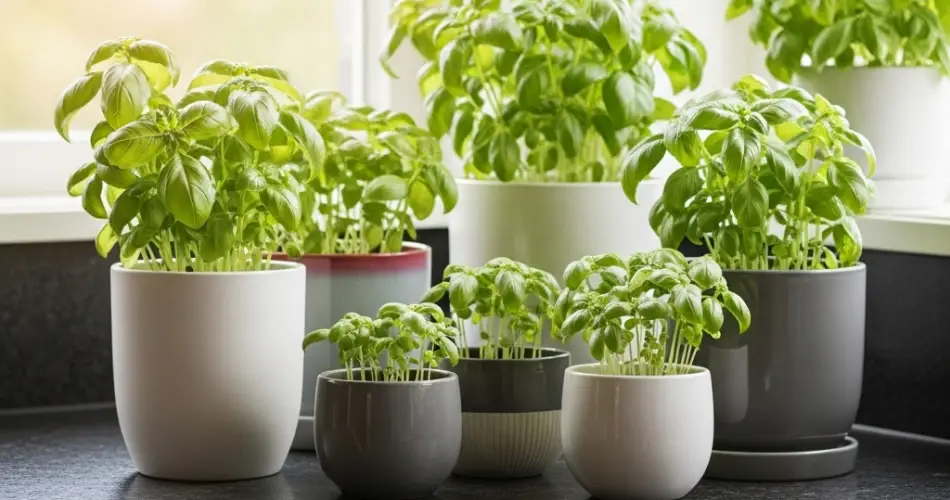
Basil (Ocimum basilicum) is a popular culinary herb known for its vibrant aroma and flavor, especially in Mediterranean and Asian cuisines. Fortunately, it doesn’t take a garden to enjoy a steady supply of fresh basil—just a sunny spot on your kitchen counter will do. With a little attention and the right setup, you can grow basil indoors year-round and have it ready for your pastas, salads, or homemade pesto at a moment’s notice.
Here’s how to grow and maintain a thriving basil plant right on your kitchen counter.
Why Grow Basil Indoors?
Growing basil indoors provides easy access to fresh herbs while adding a touch of green to your kitchen. Indoor basil is also protected from outdoor pests, extreme weather, and seasonal changes. Plus, you can start a basil plant from seed or a cutting and have a harvestable plant in just a few weeks. It’s a low-effort way to enhance your meals and make your kitchen more vibrant and fragrant.
Choosing the Right Basil Variety
While there are many types of basil, some are more suited to indoor container growing than others. Look for compact varieties that don’t grow too large:
-
Genovese Basil – Traditional Italian flavor, great for pesto and sauces.
-
Spicy Globe Basil – Small and bushy, perfect for windowsills and countertops.
-
Greek Basil – Tiny leaves and compact growth habit.
-
Lemon Basil – Citrusy aroma and flavor; ideal for teas and seafood.
Choose a variety based on your culinary preferences and available space.
Picking the Perfect Container
Start with a small pot about 6 inches in diameter with drainage holes at the bottom. Since basil doesn’t like soggy roots, proper drainage is essential. Use a saucer or tray underneath to catch any excess water and keep your kitchen counter dry.
As the plant grows, you may need to transplant it to a slightly larger pot. Basil has a moderate root system and benefits from some space to spread, but it doesn’t require deep containers.
Soil and Planting Tips
Use a high-quality potting mix that’s lightweight and well-draining. Avoid heavy garden soil or mixes that retain too much moisture. You can mix in a little perlite or vermiculite to improve aeration.
To plant basil from seed:
-
Sow seeds about 1/4 inch deep in the moist potting mix.
-
Cover lightly with soil and gently press down.
-
Keep the soil consistently moist until germination, which usually takes 5–10 days.
-
Once seedlings are a few inches tall, thin them out, keeping the strongest plants.
Alternatively, you can start basil from a cutting by placing a stem in a glass of water until roots form, then transplant it into the pot.
Light Requirements
Basil needs plenty of light to grow strong and flavorful. Place your pot on a sunny kitchen counter or windowsill that receives at least 6 hours of sunlight daily. A south- or west-facing window works best.
If natural light is limited, consider using a grow light. LED or fluorescent grow lights placed about 6–12 inches above the plant can provide the supplemental light basil needs to thrive.
Watering and Feeding
Basil prefers consistently moist—but not soggy—soil. Water when the top inch of soil feels dry to the touch. Be careful not to overwater, especially in low-light or cooler environments, as this can lead to root rot.
To keep your basil healthy and productive, feed it once a month with a diluted liquid fertilizer, preferably one formulated for herbs or vegetables. Avoid over-fertilizing, which can lead to large, less flavorful leaves.
Pruning and Harvesting
Regular pruning is the key to keeping basil bushy and productive. Begin harvesting once the plant has 6–8 sets of leaves. Use clean scissors or pinch off the top sets of leaves just above a leaf node (where two leaves emerge from the stem). This encourages the plant to branch out and become fuller.
Avoid letting basil flower if your goal is leaf production. Once it starts flowering, the leaves can become bitter. Simply pinch off flower buds as they appear to keep the plant focused on growing foliage.
Common Problems and Solutions
Leggy growth usually results from insufficient light. If your basil is stretching and becoming spindly, move it to a sunnier location or add a grow light.
Yellowing leaves may indicate overwatering or poor drainage. Check that your container allows excess water to escape and that the soil is drying out between waterings.
Pests such as aphids or spider mites can occasionally appear indoors. Rinse the plant under a gentle stream of water or wipe the leaves with a damp cloth to remove pests. In more serious cases, use a mild insecticidal soap.
Regrowing and Replanting
Basil can be short-lived indoors, especially after heavy harvesting or flowering. To maintain a continuous supply, plant new seeds or take fresh cuttings every few weeks. Keeping a rotation of young plants ensures you always have fresh leaves available.
Final Thoughts
Growing basil on your kitchen counter is a simple and satisfying way to bring fresh flavor into your meals and a touch of greenery into your home. With the right amount of light, moisture, and occasional pruning, basil will thrive indoors and provide you with fragrant leaves all year round. It’s a perfect beginner-friendly herb that rewards you with both culinary and visual delight.


