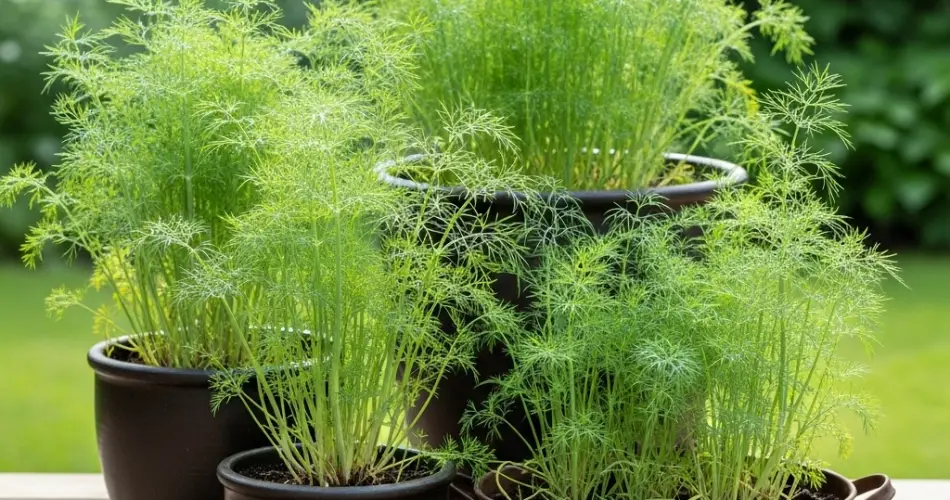
Dill is a fragrant, feathery herb prized for its fresh, tangy flavor that enhances everything from pickles to salads and fish dishes. The good news for home cooks and gardening enthusiasts alike is that dill is incredibly easy to grow in pots. Whether you have a sunny balcony, a kitchen windowsill, or a small patio, you can enjoy fresh dill almost year-round with just a bit of attention and care.
This fast-growing herb matures quickly and requires minimal space, making it a perfect choice for container gardening in urban or compact living environments.
Why Grow Dill in Pots?
Growing dill in containers offers several advantages. First, it gives you control over the soil and drainage, which is important for healthy growth. It also allows you to move the plant to follow the sun or bring it indoors if the weather turns bad. For those with limited garden space, containers make it possible to grow fresh herbs right at home, no backyard required.
Dill’s delicate leaves, known as “dill weed,” are ready to harvest within weeks of planting. The plant also produces umbrella-like yellow flowers that eventually develop into flavorful seeds, offering two edible parts from a single plant.
Choosing the Right Container
Dill develops a long taproot, so it requires a container that is deep enough to accommodate it. A pot that is at least 12 inches deep and wide is recommended. Make sure the container has adequate drainage holes to prevent waterlogging, which can lead to root rot.
You can grow dill in plastic, ceramic, or terracotta pots, but be aware that terracotta dries out more quickly, which may require more frequent watering. Choose a container that suits your climate and watering habits.
Soil Requirements
Dill thrives in loose, well-draining soil that is rich in organic matter. A high-quality potting mix blended with compost is ideal. You can also add a bit of perlite or sand to improve drainage.
Avoid heavy, compacted soils or potting mixes with too much peat, which can hold excess moisture. Dill prefers slightly acidic to neutral soil with a pH range of 5.5 to 7.5.
Starting Dill from Seed
Dill is best grown from seed, as it does not transplant well due to its taproot. Sow the seeds directly into the container about ¼ inch deep and lightly cover with soil. Water gently to keep the soil moist but not soggy.
Place the container in a sunny location, as dill requires at least 6 to 8 hours of direct sunlight daily. Seedlings typically emerge within 7 to 10 days. Once the plants reach a few inches tall, thin them to allow about 6 inches of space between each plant for proper air circulation and growth.
Light and Temperature
Dill loves full sun and will become leggy or weak if it doesn’t receive enough light. If growing indoors, position the container near a south-facing window. If natural light is limited, consider using a grow light to ensure the plant gets the energy it needs.
The plant grows best in temperatures between 60°F and 75°F (15°C to 24°C). Although dill is somewhat cold-tolerant, it is sensitive to frost, so avoid placing it outdoors too early in the season.
Watering and Fertilization
Dill prefers consistent moisture, especially in the early stages of growth. Keep the soil evenly moist but not waterlogged. Water deeply whenever the top inch of soil feels dry to the touch.
Container-grown dill may benefit from occasional feeding. Use a balanced, water-soluble fertilizer every four to six weeks during the growing season. Avoid over-fertilizing, which can lead to excessive leaf growth with less flavor.
Harvesting Dill
Dill can be harvested when the plants are about 8 inches tall. Use scissors to snip off the feathery leaves as needed, always cutting from the top to encourage branching and new growth. The best flavor comes just before the plant begins to flower.
If you allow the plant to bloom, the flowers will produce dill seeds, which are also edible and can be harvested for use in cooking or pickling. Once the seed heads turn brown, cut them and hang them upside down in a paper bag to dry. The seeds will naturally fall into the bag as they mature.
Managing Pests and Problems
Dill is relatively pest-resistant but can occasionally attract aphids or caterpillars. Inspect the plant regularly and remove pests by hand or with a gentle spray of water. Neem oil or insecticidal soap can also be used if necessary.
Be cautious of fungal issues caused by poor air circulation or overly damp conditions. Spacing plants properly and avoiding wetting the foliage when watering will help prevent disease.
Final Thoughts
Growing dill in pots is a simple and rewarding project for any kitchen gardener. Its fast growth, dual harvest of leaves and seeds, and minimal space requirements make it a perfect herb for container gardening. With just a sunny spot and a bit of care, you’ll have a fresh supply of dill ready to enhance your favorite dishes at a moment’s notice.


