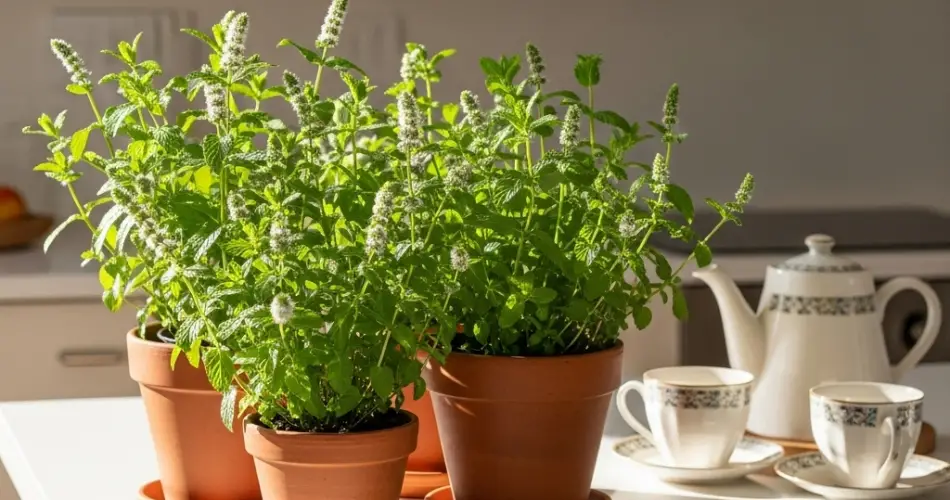
Mint is a refreshing and versatile herb that’s a favorite in both the kitchen and the teacup. Its cooling flavor adds a fresh touch to beverages, salads, sauces, and desserts. Fortunately, mint is also one of the easiest herbs to grow indoors, making it perfect for small kitchens, apartments, or anyone who wants a steady supply of this fragrant plant year-round.
With a little care, you can cultivate lush, flavorful mint right on your windowsill. Here’s how to grow and maintain healthy mint indoors for tea, cooking, and beyond.
Why Grow Mint Indoors?
Mint is known for its vigorous growth outdoors, where it can easily become invasive. Growing it indoors in a pot not only contains its aggressive spreading habits but also makes it convenient to harvest whenever you need it. Plus, keeping mint indoors protects it from common garden pests and harsh weather, allowing for consistent, year-round growth.
Choosing the Best Mint Variety
There are many types of mint, each with a slightly different flavor profile. Some popular varieties to grow indoors include:
-
Spearmint – Mild and sweet; great for tea, salads, and sauces.
-
Peppermint – Stronger and spicier; ideal for tea, desserts, and infusions.
-
Chocolate Mint – Has a subtle cocoa aroma and works well in sweets.
-
Apple Mint – A softer, fruity option for drinks and fruit dishes.
Choose one that suits your taste preferences—or grow more than one in separate pots.
Selecting a Container
Mint doesn’t require deep soil, but it does need space to spread its roots. A pot that is 8–10 inches in diameter and at least 6 inches deep is sufficient. Be sure the container has drainage holes at the bottom to prevent soggy soil, which can lead to root rot.
Plastic, ceramic, or terra cotta pots all work well. If you’re growing multiple varieties, keep them in separate containers to preserve their unique flavors and prevent one from overtaking the other.
Soil and Planting
Mint thrives in rich, well-draining soil. Use a quality potting mix combined with compost or organic matter. You can also mix in a small amount of perlite or sand to improve drainage.
To grow mint from seed, scatter the seeds lightly over the soil and cover with a thin layer. Keep the soil moist until germination, which can take 10–15 days. However, growing mint from cuttings or store-bought plants is faster and more reliable.
To propagate from cuttings, snip a 4–6 inch stem from a healthy mint plant, remove the lower leaves, and place it in water or directly in moist soil. Roots will develop in about a week.
Light and Temperature Requirements
Mint prefers bright, indirect sunlight and grows best with 4 to 6 hours of light per day. Place the container near a bright window—preferably east- or south-facing. If natural light is insufficient, supplement with a grow light to encourage healthy growth.
Mint thrives in temperatures between 60°F and 75°F (16°C to 24°C). It can tolerate cooler conditions but should be protected from cold drafts and extreme heat.
Watering and Humidity
Mint enjoys consistently moist soil, but it doesn’t like to sit in water. Water when the top inch of soil feels dry to the touch. Ensure the pot drains well and avoid letting water collect in the saucer.
Mint also benefits from moderate humidity. If your indoor air is dry—especially in winter—you can mist the leaves occasionally or place a humidity tray under the pot.
Fertilizing
Mint doesn’t need heavy feeding. Use a diluted liquid fertilizer once a month during the growing season to keep the plant lush and green. Too much fertilizer can affect the flavor and lead to leggy growth.
Organic compost tea or a balanced houseplant fertilizer works well. Avoid overfeeding, which can cause the plant to lose its signature scent and taste.
Pruning and Harvesting
Frequent pruning helps mint stay compact, bushy, and productive. Begin harvesting once the plant is at least 4–6 inches tall. Use scissors to snip stems just above a leaf node to encourage branching.
Harvest regularly, even if you’re not using the leaves right away. You can air-dry the harvested mint or freeze the leaves for later use in teas, drinks, or recipes.
Remove any flowers as soon as they appear, as flowering can make the leaves less flavorful and slow overall growth.
Pests and Problems
While indoor mint is less prone to pests than outdoor plants, you may occasionally see aphids or spider mites. If pests appear, rinse the plant under water or use a mild, homemade soap spray. Keep the leaves dry when watering to reduce the risk of mildew or fungal disease.
Good air circulation and not overcrowding the plant will help prevent most common issues.
Final Thoughts
Growing mint indoors is a simple, satisfying way to bring fresh flavor and fragrance into your home. With just a little space, regular watering, and some sunlight, you can enjoy a thriving mint plant year-round. Whether steeped in a calming tea, added to your favorite dishes, or used as a garnish, fresh mint from your own kitchen garden is a delicious and aromatic treat.


