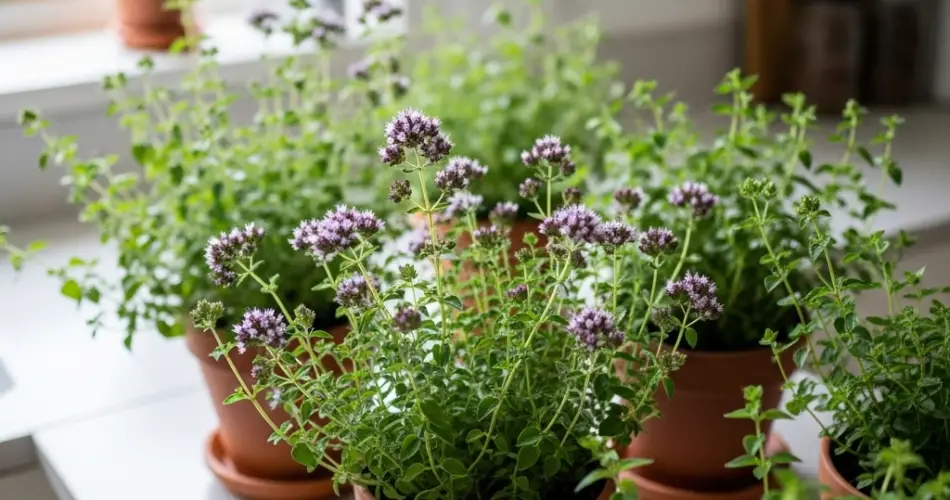
Oregano (Origanum vulgare) is a hardy, fragrant herb commonly used in Italian, Mediterranean, and Latin American cuisines. Its earthy, slightly peppery taste enhances pizza, pasta, grilled meats, and sauces. Fortunately, oregano is also easy to grow indoors, making it a perfect addition to your kitchen herb garden.
If you have a sunny corner in your kitchen, you can cultivate fresh oregano year-round. Compact, drought-tolerant, and flavorful, oregano thrives in containers and is an ideal herb for beginner gardeners or anyone who wants fresh, homegrown flavor at their fingertips.
Why Grow Oregano Indoors?
Indoor oregano is easy to care for and convenient to harvest. Growing it in a kitchen corner ensures that you have a constant supply of fresh leaves for cooking. Indoor growing also protects the plant from extreme weather, pests, and overgrowth. Because oregano is a low-maintenance, sun-loving herb, it adapts well to indoor container gardening—especially in well-lit areas near a window or under a grow light.
Choosing the Right Oregano Variety
There are several oregano varieties, but not all are equally suited to indoor growing. Here are a few good options:
-
Greek Oregano (Origanum heracleoticum): Bold and peppery; ideal for cooking.
-
Italian Oregano: A hybrid of oregano and marjoram; slightly milder flavor.
-
Golden Oregano: Decorative with golden-green leaves and a milder taste.
Greek oregano is the most popular for culinary use and performs well in containers indoors.
Selecting a Pot
Oregano doesn’t need a large container, but good drainage is essential. A 6–8 inch pot with drainage holes will work for a single plant. You can also use a larger pot if you plan to grow multiple herbs together.
Clay or terracotta pots are especially useful, as they allow the soil to dry out more evenly and prevent root rot. Make sure to place a saucer underneath the pot to catch any excess water and keep your kitchen surfaces dry.
Soil Requirements
Oregano prefers well-draining soil with moderate fertility. Use a quality potting mix designed for herbs or vegetables. Avoid moisture-retentive mixes, which can lead to soggy conditions and root problems.
For best results, you can mix:
-
2 parts potting soil
-
1 part coarse sand or perlite (for drainage)
Oregano does well in slightly alkaline to neutral soil with a pH between 6.5 and 7.5.
Planting Oregano Indoors
You can grow oregano from seed, but starting with a small plant or a cutting is faster and more reliable for indoor growing.
To plant oregano:
-
Fill the pot with your prepared soil mix, leaving about an inch below the rim.
-
If starting from seed, sow the seeds on the soil surface and press them in lightly without covering completely—they need light to germinate.
-
If using a transplant or cutting, plant it at the same depth it was growing previously.
-
Water gently and place the pot in a warm, sunny spot.
Seeds will typically germinate in 7–14 days under warm conditions.
Light and Temperature
Oregano thrives in full sun, requiring at least 6–8 hours of bright light per day. A south-facing window is ideal for indoor growing. If natural light is limited, supplement with a grow light for 12–14 hours a day.
This herb grows best in temperatures between 65–75°F (18–24°C). Keep the plant away from cold drafts, air conditioning vents, or heaters that may cause temperature fluctuations.
Watering and Feeding
Oregano prefers slightly dry conditions. Water the plant when the top inch of soil feels dry, allowing excess water to drain freely. Avoid overwatering, as oregano is drought-tolerant and susceptible to root rot.
Fertilize sparingly. Feed the plant once a month during the growing season with a diluted, balanced liquid fertilizer or a light compost tea. Too much fertilizer can reduce the plant’s aromatic intensity.
Pruning and Harvesting
Regular pruning is essential to keep oregano compact, healthy, and productive. Begin harvesting once the plant is at least 4–6 inches tall. Pinch or snip the top leaves just above a leaf node to encourage branching and fuller growth.
Harvest early in the day when the oils are most concentrated for maximum flavor. You can use fresh leaves immediately or dry excess by hanging stems upside down in a cool, dry location.
To prevent the plant from flowering (which can reduce leaf flavor), pinch off flower buds as they appear.
Pests and Common Problems
Oregano is relatively pest-free indoors but may occasionally attract aphids or spider mites. Wipe leaves with a damp cloth or use a gentle insecticidal soap spray if pests appear.
Good air circulation and proper watering habits will help prevent fungal issues and root rot.
Replanting and Propagation
As oregano matures, the stems can become woody. Refresh the plant by taking cuttings and rooting them in water or directly in soil to start a new pot.
If the plant becomes root-bound, replant it in a slightly larger container with fresh soil.
Final Thoughts
Growing aromatic oregano in a sunny kitchen corner is a great way to add flavor and greenery to your home. With minimal care, oregano will reward you with fresh leaves that elevate everyday meals. Its compact size, drought tolerance, and strong aroma make it one of the best herbs to grow indoors. Whether you’re topping a homemade pizza or making a marinade, having oregano within reach is both practical and rewarding.


