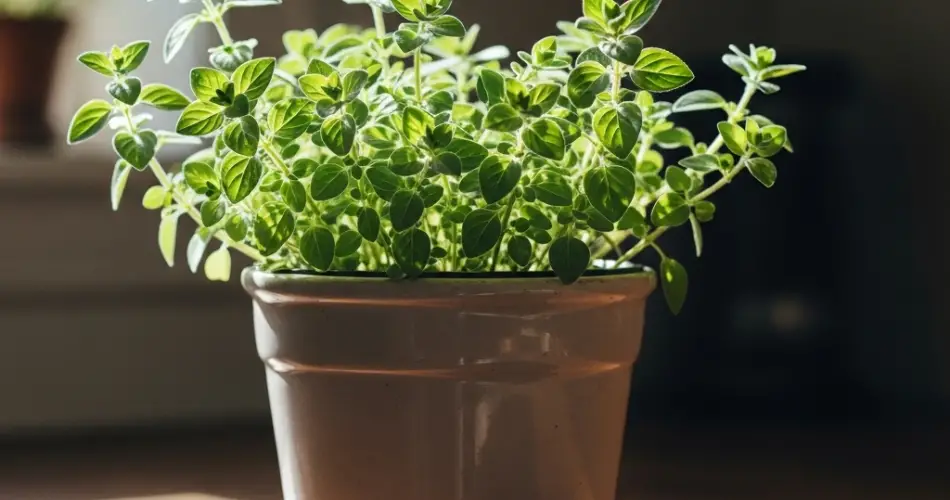
Oregano is a must-have herb for any kitchen garden. With its bold, earthy flavor and aromatic leaves, it brings a Mediterranean touch to sauces, soups, stews, and meat dishes. Best of all, oregano thrives indoors with the right conditions and care. Whether you’re working with limited space or want fresh herbs available year-round, growing oregano in your kitchen is a convenient and rewarding way to enhance your cooking.
Here’s a comprehensive guide to keeping your indoor oregano plant healthy, vibrant, and productive.
Why Grow Oregano Indoors?
Growing oregano indoors ensures you always have fresh leaves close at hand, no matter the season. It’s ideal for small kitchens, apartments, or homes without outdoor garden space. Indoors, you have control over light, temperature, and watering—factors that help oregano stay lush and flavorful. Plus, having a living plant nearby adds greenery and fragrance to your indoor space.
Choosing the Right Variety
Several oregano varieties are suitable for indoor growing, but the most common and flavorful types include:
-
Greek Oregano (Origanum vulgare subsp. hirtum) – Strong, classic flavor often used in Mediterranean cooking.
-
Italian Oregano – A milder hybrid of oregano and marjoram, good for everyday dishes.
-
Golden Oregano – Ornamental with bright leaves and a gentle flavor, ideal for borders and containers.
Choose based on the flavor profile you enjoy and the plant’s growth habit—compact varieties are best for container growing indoors.
Selecting a Container
Oregano doesn’t need a very deep pot, but it does need excellent drainage. Choose a container that is at least 6–8 inches deep with multiple drainage holes. A terra cotta or ceramic pot is ideal, as it helps wick moisture from the soil and prevents overwatering.
If you’re starting from seed or using a cutting, a small container will do initially, but be prepared to repot as the plant grows to ensure root health and airflow.
The Right Soil Mix
Oregano prefers well-draining, slightly sandy soil. Use a light potting mix suitable for herbs or vegetables. For better drainage, you can mix in a small amount of coarse sand or perlite.
Avoid overly rich or moisture-retaining soils, as oregano naturally thrives in drier, rocky environments. The soil should feel light and airy—never soggy.
Starting Oregano from Seeds or Cuttings
You can start oregano from seed, but it’s a slow process. Seeds should be sown on the surface of damp soil and lightly pressed in, as they need light to germinate. Keep the soil moist and warm until seedlings appear in 7–14 days.
For faster results, propagate oregano from cuttings or purchase a starter plant. To root a cutting, snip a 4–6 inch piece from a healthy plant, remove the lower leaves, and place the stem in water or moist soil. Roots will develop within a week or two.
Light and Placement
Oregano loves sunlight—ideally 6 to 8 hours of direct light per day. Indoors, a bright south-facing window is the best location. If natural light is limited, use a grow light to provide consistent brightness.
Rotate the pot every few days so the plant grows evenly and doesn’t lean toward the light. Without enough sun, oregano will grow leggy and produce less flavor.
Watering and Humidity
Oregano prefers slightly dry conditions. Water the plant only when the top inch of soil feels dry. Be careful not to overwater, as this herb is susceptible to root rot in soggy soil. When watering, soak the soil thoroughly and allow excess water to drain out.
Avoid misting or placing oregano in overly humid environments. It thrives in average indoor humidity and dry conditions are actually better for its overall health.
Fertilizing
Oregano doesn’t require heavy feeding. Apply a balanced liquid fertilizer diluted to half-strength once a month during the growing season. Too much fertilizer can reduce the flavor and cause leggy growth.
If using organic compost in your soil mix, additional feeding may not be necessary. Monitor your plant’s growth—if it looks healthy and produces flavorful leaves, it’s getting what it needs.
Pruning and Harvesting
Regular pruning encourages bushier growth and prevents the plant from becoming woody. Start harvesting once the plant reaches about 5–6 inches tall. Use scissors to snip stems just above a leaf pair to promote branching.
The more you harvest, the more the plant will produce. Remove flower buds as soon as they appear to keep the leaves tender and flavorful. Once oregano flowers, the leaves may become bitter.
You can use fresh oregano right away or dry the stems by hanging them upside down in a dark, well-ventilated area.
Pest and Disease Management
Indoor oregano is relatively pest-free but can occasionally attract aphids or spider mites. Check leaves regularly and wash pests off with water or treat with neem oil if needed.
Avoid fungal problems by ensuring good airflow around the plant and watering only at the base to keep leaves dry.
Final Thoughts
A kitchen oregano garden is an easy and practical way to bring fresh flavor into your meals. With sunlight, occasional watering, and gentle pruning, your oregano plant will thrive indoors and supply you with fragrant, delicious leaves all year long. Whether added to pasta, pizza, or meat marinades, homegrown oregano delivers unbeatable aroma and taste right from your windowsill.


