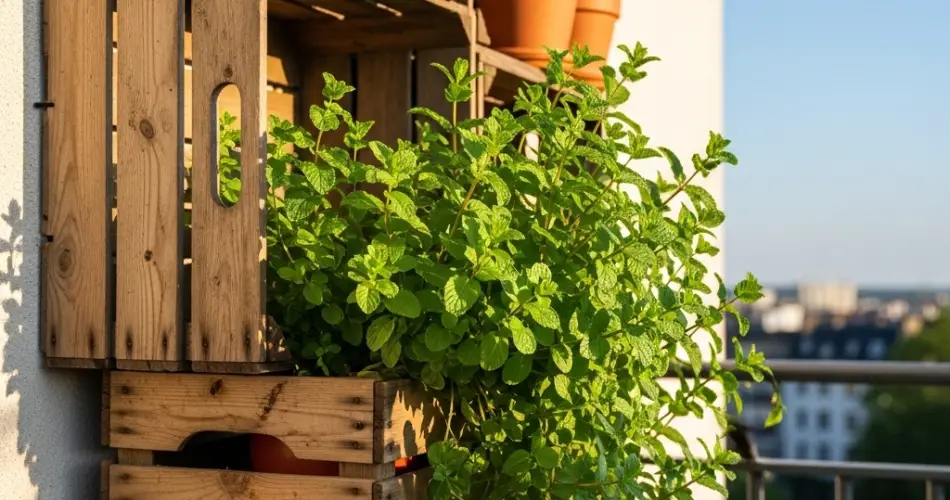
Fresh mint is one of those herbs that can completely transform a dish or drink. Whether it’s muddled into a refreshing mojito, sprinkled over a summer salad, or steeped in a soothing herbal tea, mint delivers an unmistakable burst of flavor and aroma. For city dwellers with limited outdoor space, crate gardening offers a stylish, compact, and eco-friendly way to grow your own mint. By reusing wooden boxes or crates, you can create a thriving urban mint garden that’s both functional and visually appealing.
Why Choose Crates for Mint Gardening?
Mint is known for its vigorous growth and adaptability, making it an ideal candidate for container cultivation. Crates provide several advantages for urban gardeners:
-
Space Efficiency: Perfect for small balconies, patios, or even sunny indoor spots.
-
Mobility: Easy to move to catch more sunlight or shelter from bad weather.
-
Rustic Charm: Adds a decorative, natural look to your home environment.
-
Sustainability: Gives a second life to wooden boxes that might otherwise be discarded.
Container growing also keeps mint’s spreading roots under control, preventing it from overtaking other plants in a garden bed.
Choosing and Preparing Your Crates
Start with sturdy wooden boxes—old fruit crates, wine boxes, or even repurposed shipping crates. Avoid crates treated with harmful chemicals, and if in doubt, seal the wood with a non-toxic, food-safe finish.
1. Add a Protective Lining
Line the inside with landscape fabric, burlap, or thick plastic sheeting with drainage holes. This helps hold the soil while preventing waterlogging.
2. Ensure Good Drainage
Mint likes moist soil, but too much water can cause root rot. If the crate’s base is solid, drill several holes to allow excess water to escape.
3. Position for Success
Mint grows best in partial to full sunlight. Aim for at least 4–6 hours of light each day.
Planting Mint in Crates
1. Choose Your Mint Variety
From classic spearmint to the fragrant peppermint, or even more exotic options like pineapple mint, each type brings its own unique flavor. You can grow one variety per crate or combine several for a mixed herb box.
2. Prepare the Soil
Use a nutrient-rich potting mix with good drainage. Adding compost boosts growth and enhances leaf flavor.
3. Planting Steps
-
From Cuttings: Place fresh cuttings in water until roots form, then transfer them into the soil.
-
From Seedlings: Remove from nursery pots and plant at the same depth, spacing each plant about 8–10 inches apart.
Caring for Your Mint Crates
Mint is a forgiving plant, but consistent care will keep it lush and flavorful:
-
Watering: Keep the soil evenly moist, but don’t let it stay soggy. In hot weather, daily watering may be necessary.
-
Fertilizing: Feed with a mild, balanced liquid fertilizer every month during the growing season.
-
Pruning: Regularly pinch or cut stems to encourage bushy growth and prevent flowering, which can weaken flavor.
-
Pest Control: Check occasionally for pests like aphids or spider mites. Organic insecticidal soap or a blast of water usually keeps them at bay.
Harvesting Fresh Mint
Mint is ready for harvest once the plant has enough foliage to recover from trimming—usually when stems reach about 6 inches tall. Cut just above a pair of leaves to stimulate branching. Frequent harvesting keeps plants healthy and productive.
If you want to preserve your mint, dry it by tying small bunches and hanging them in a shaded, airy space until crisp. Store in airtight containers away from light.
Styling Your Crate Mint Garden
Beyond being a source of fresh herbs, mint crates can be a charming addition to your home or balcony décor:
-
Rustic Natural: Keep the wood in its natural state for a warm, organic look.
-
Painted Designs: Add bright colors or patterns to match your space’s theme.
-
Chalkboard Labels: Paint a small section with chalkboard paint for easy plant labeling.
-
Tiered Display: Stack crates in staggered layers for a striking vertical garden.
Benefits of Crate-Grown Mint
-
Fresh Flavor on Demand: Ideal for quick cooking additions or refreshing drinks.
-
Compact and Contained: Keeps mint from spreading uncontrollably.
-
Eco-Friendly Gardening: Makes use of repurposed materials.
-
Urban-Friendly: Fits comfortably into small living spaces.
Troubleshooting Common Mint Problems
-
Leggy Growth: Likely due to insufficient sunlight—move your crate to a brighter spot.
-
Yellowing Leaves: Often a sign of overwatering or poor drainage.
-
Weak Flavor: Happens when plants flower—prune regularly to maintain strong flavor.
Final Thoughts
Crate gardening with mint is an accessible and rewarding way to bring greenery, fragrance, and fresh flavor into your urban space. With minimal tools and a little creativity, you can transform a simple wooden box into a thriving mint haven. It’s a low-cost, sustainable gardening method that delivers high-impact results.
Whether your goal is to enhance your cooking, create refreshing beverages, or simply enjoy the beauty of lush green plants on your balcony, a crate of mint is the perfect urban gardening project. With just a small investment of time and care, you’ll have a ready supply of this versatile herb to enjoy year-round.


