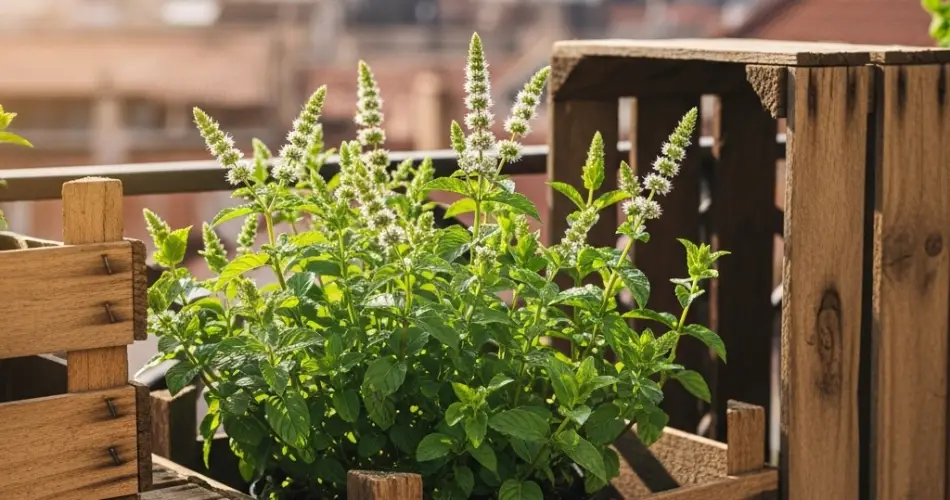
Mint is one of the most aromatic and refreshing herbs to grow, perfect for everything from drinks and salads to desserts and sauces. However, planting it directly in the soil can quickly turn into a headache, as mint has a habit of spreading aggressively through underground runners. If left unchecked, it can easily overtake other plants in the garden. The good news is that crate planters offer a practical, space-saving solution—especially for balcony gardeners. By containing mint in crates, you can enjoy its flavor without the chaos.
Why Grow Mint in Crates?
Mint grows well in containers, and crates provide a rustic, attractive, and functional option for small spaces. Some advantages include:
-
Containment – Prevents mint from spreading uncontrollably.
-
Portability – Easily move crates to follow sunlight or protect plants during extreme weather.
-
Space efficiency – Ideal for balconies, patios, and small gardens.
-
Aesthetic value – Wooden crates add charm, while painted or decorated crates can match your balcony style.
Choosing the Right Crate
Select a crate that’s at least 20–25 cm deep to allow healthy root growth. You can choose between:
-
Wooden crates – Offer a natural look, but require lining to prevent wood rot.
-
Plastic crates – Lightweight and weather-resistant, though less traditional in appearance.
Make sure your crate has proper drainage. Mint dislikes sitting in waterlogged soil, so drill extra holes if necessary.
What You’ll Need
-
Wooden or plastic crate
-
Gardening liner or landscape fabric
-
High-quality potting mix
-
Compost or organic fertilizer
-
Mint seedlings or rooted cuttings
-
Trowel and gloves
-
Watering can or spray bottle
Preparing the Crate
-
Clean it well – Remove dust or old soil to prevent pests and diseases.
-
Add a liner – Use gardening fabric or plastic sheeting with drainage holes to protect wooden crates and hold soil in place.
-
Ensure good drainage – Add a layer of small pebbles at the bottom if needed to prevent root rot.
Choosing the Mint Variety
There’s more to mint than just one flavor. Try growing:
-
Spearmint – Mild and sweet, great for salads and drinks.
-
Peppermint – Stronger flavor, perfect for teas and desserts.
-
Chocolate mint – Subtle chocolate aroma, excellent in sweet recipes.
-
Apple mint – Fruity and refreshing, ideal for cocktails and garnishes.
You can grow different varieties in separate crates to create a mint collection.
Planting Mint in Crates
Mint prefers rich, well-draining soil. A good mix is:
-
2 parts potting soil
-
1 part compost for nutrients
-
A small portion of perlite or coarse sand for drainage
Plant seedlings about 15–20 cm apart to allow them room to spread within the crate. If planting from cuttings, place stems in water until roots develop, then transplant them into the soil.
Positioning on the Balcony
Mint thrives in partial to full sunlight. On a balcony, position your crate where it can receive about 4–6 hours of direct sunlight daily. In hot climates, afternoon shade helps prevent the leaves from scorching.
Watering and Feeding
-
Watering: Keep the soil evenly moist but not soggy. Mint prefers consistent moisture, so check daily during hot weather.
-
Feeding: Apply a diluted liquid organic fertilizer every 4–6 weeks during the growing season. Avoid overfeeding, as this can cause excessive growth with weaker flavor.
Harvesting for Freshness
Frequent harvesting encourages bushier growth. Pinch off the top leaves regularly to prevent the plant from becoming leggy. If the plant begins to flower, snip off flower buds to maintain the best flavor—once flowering begins, leaves can turn slightly bitter.
Balcony Care and Maintenance
-
Pest management: Mint is usually pest-resistant, but occasional aphids or spider mites may appear. Treat them with neem oil or mild soapy water.
-
Winter care: In cold climates, move the crate indoors or to a sheltered spot when frost is expected.
-
Rejuvenation: Every couple of years, refresh the soil and divide the plant to keep it healthy and vigorous.
Using Your Fresh Mint
Freshly picked mint is a versatile ingredient. Try adding it to:
-
Herbal teas and infused water
-
Salads and fruit bowls
-
Desserts like ice cream or chocolate cake
-
Savory dishes, sauces, and marinades
You can also dry mint leaves for tea or freeze them in ice cube trays with water for long-term use.
Final Thoughts
Growing mint in crate planters is a clever way to keep this flavorful herb under control while making the most of your balcony space. The crate provides both a decorative and functional growing solution, giving you easy access to fresh leaves whenever you need them. With the right care, your balcony can be home to a lush, fragrant mint garden that stays neat, healthy, and productive year-round.


