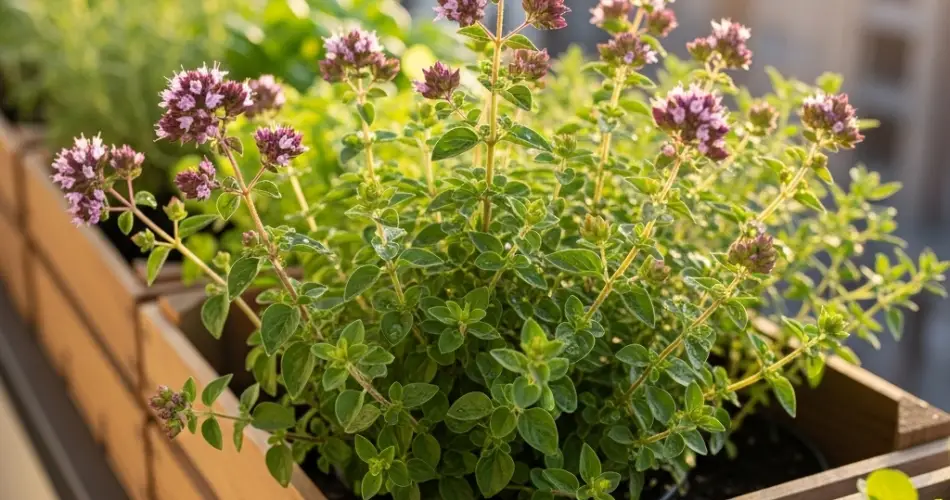
Oregano is a staple herb in kitchens around the world, prized for its robust flavor and fragrant leaves. It pairs beautifully with tomatoes, meats, and Mediterranean-style dishes, making it a must-have for home cooks. For urban gardeners without access to traditional garden beds, growing oregano in wooden crates is a simple, space-saving solution that adds charm to any balcony or patio.
By reusing wooden crates, you can create an attractive and portable container garden that supplies you with fresh oregano year-round. This method not only makes the most of limited space but also adds a rustic and decorative touch to your living area.
Why Choose Crate Gardening for Oregano?
Oregano thrives in containers, and wooden crates offer several unique benefits:
-
Space Efficiency: Perfect for compact living areas like balconies, terraces, or small patios.
-
Mobility: Easy to move for optimal sunlight or protection from extreme weather.
-
Aesthetic Appeal: Crates provide a charming, vintage look that complements greenery.
-
Eco-Friendly: Repurposing old crates reduces waste and promotes sustainable gardening.
Container gardening also makes it easier to control soil quality, watering, and pest management, ensuring healthier plants.
Selecting and Preparing Your Crate
1. Choose a Sturdy Crate
Look for solid wooden crates, such as old fruit boxes or wine crates. Make sure they are untreated or sealed with a food-safe, non-toxic finish to avoid chemical leaching into the soil.
2. Add Lining for Protection
Line the inside with landscape fabric, burlap, or plastic sheeting with drainage holes. This prevents soil from spilling out while maintaining airflow.
3. Ensure Drainage
Drill several holes in the bottom if the crate doesn’t already have them. Good drainage is crucial to prevent root rot.
4. Position Your Crate
Oregano loves sunlight. Place the crate in a location where it will receive at least 6–8 hours of direct sunlight daily.
Planting Oregano in Crates
1. Choosing Varieties
Common oregano (Origanum vulgare) is a popular choice for cooking, while Greek oregano offers a stronger, spicier flavor. Italian oregano, a cross between oregano and marjoram, provides a milder taste. Select the variety that best matches your cooking style.
2. Soil Preparation
Use a well-draining potting mix blended with a bit of sand or perlite to replicate oregano’s preferred Mediterranean soil conditions. A pH level between 6.0 and 8.0 is ideal.
3. Planting Methods
-
From Seeds: Start seeds indoors, then transplant seedlings once they are about 3 inches tall.
-
From Cuttings: Take healthy cuttings from an existing plant, place them in water until roots form, then transfer them to the crate.
-
From Nursery Plants: Simply remove from their pots and plant directly into your prepared crate.
Space oregano plants about 10–12 inches apart to allow room for bushy growth.
Caring for Your Oregano Crate Garden
1. Watering
Oregano prefers slightly dry conditions. Water deeply but infrequently, allowing the top inch of soil to dry between waterings. Avoid constantly soggy soil, which can cause root rot.
2. Fertilizing
Oregano doesn’t require heavy feeding. Apply a balanced, diluted liquid fertilizer once a month during the growing season for healthy foliage.
3. Pruning
Regularly trim stems to encourage branching and prevent flowering. Once oregano flowers, its leaves can become less flavorful.
4. Pest and Disease Management
Oregano is generally pest-resistant, but keep an eye out for aphids or spider mites. A quick spray with water or organic insecticidal soap can keep problems in check.
Harvesting Oregano
You can start harvesting once the plant is well-established and about 6 inches tall. Use sharp scissors to cut stems just above a pair of leaves. Frequent harvesting encourages more growth and prevents plants from becoming woody.
For drying oregano:
-
Cut stems in the morning after the dew has dried.
-
Tie them into small bundles and hang upside down in a dark, well-ventilated area.
-
Once fully dry, store the leaves in airtight containers away from direct sunlight.
Styling Your Oregano Crate
Aside from providing fresh herbs, oregano crates can enhance your balcony décor:
-
Rustic Finish: Leave the crate in its natural wood tone for a simple, earthy look.
-
Painted Designs: Add bold colors or patterns to match your balcony theme.
-
Labels and Tags: Use chalkboard paint or wooden tags to identify the plant variety.
-
Tiered Display: Stack crates for a vertical herb garden that saves floor space.
Benefits of Growing Oregano in Crates
-
Fresh Flavors at Your Fingertips: Perfect for enhancing everyday cooking.
-
Easy Maintenance: Minimal watering and pruning requirements.
-
Portable and Flexible: Can be moved indoors during cold weather.
-
Sustainable Gardening: Gives old wooden crates a functional second life.
Final Thoughts
Crate gardening offers an easy, creative, and eco-friendly way to grow oregano in urban spaces. With a bit of sunlight, well-drained soil, and occasional pruning, you can enjoy fresh, aromatic leaves for cooking all year long.
Whether you’re making pizza, pasta, grilled meats, or fresh salads, your balcony oregano crate will supply you with a steady harvest and a touch of rustic charm. It’s a project that’s as rewarding to create as it is to maintain, turning a small corner of your home into a mini Mediterranean garden.


