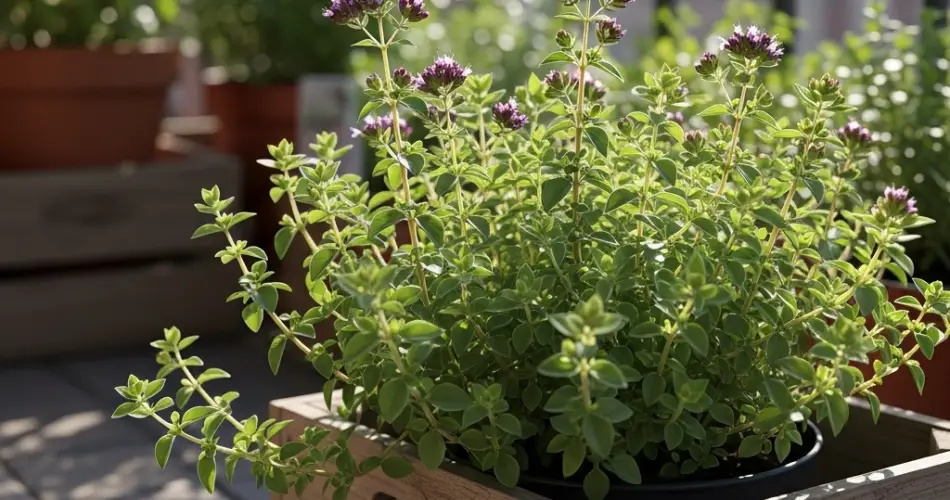
Oregano is a fragrant and versatile herb that has been a staple in Mediterranean cuisine for centuries. Its rich aroma and savory flavor make it a favorite in pizza, pasta, grilled meats, and vegetable dishes. For those with limited outdoor space, growing oregano in crates is an excellent way to enjoy fresh herbs without the need for a traditional garden. With a little planning, you can turn your balcony into a productive and aromatic oregano haven.
Why Choose Crate Gardening for Oregano?
Oregano thrives in containers, and crate gardening offers unique advantages:
-
Space efficiency – Perfect for balconies, patios, or other small spaces.
-
Portability – You can move crates to follow sunlight or protect plants during harsh weather.
-
Pest control – Elevating plants can help reduce the risk of pests that are common in ground-level gardens.
-
Aesthetic appeal – Wooden crates bring a rustic charm, while painted crates can add a splash of color to your balcony.
Selecting the Right Crate
For healthy oregano growth, choose a crate that is at least 20–25 cm deep with enough width to allow the roots to spread. Both wooden and plastic crates work well, but wooden crates offer a more natural look.
To prepare a wooden crate:
-
Line the inside with landscape fabric to prevent soil loss and protect the wood from rotting.
-
Ensure proper drainage by drilling holes in the bottom.
-
Consider mobility – If your crate will be heavy once filled with soil, attach wheels to the bottom for easy movement.
Choosing Your Oregano Variety
There are several oregano varieties to choose from, each offering a unique flavor profile:
-
Greek oregano (Origanum vulgare var. hirtum) – Strong flavor, perfect for Mediterranean dishes.
-
Italian oregano – Milder taste, great for salads and pasta.
-
Golden oregano – Attractive yellow-green foliage, ideal for decorative purposes and cooking.
-
Hot and spicy oregano – A bolder variety that adds a punch to sauces and marinades.
Preparing the Soil
Oregano thrives in well-draining soil with moderate fertility. A good mix for crate planting includes:
-
2 parts potting soil
-
1 part coarse sand or perlite for drainage
-
1 part compost for nutrients
Avoid overly rich soil, as oregano grown in high-nutrient conditions tends to produce less flavorful leaves.
Planting Oregano in Crates
Oregano can be started from seeds, cuttings, or small seedlings from a nursery.
-
From seeds: Sow them lightly on the soil surface and press gently, as they need light to germinate. Keep the soil moist until seedlings emerge, usually in 7–10 days.
-
From cuttings: Take a 7–10 cm cutting from a healthy plant, remove the lower leaves, and plant directly into moist soil.
-
From seedlings: Transplant them into your prepared crate, spacing plants about 20 cm apart.
Positioning on the Balcony
Oregano loves sunlight and requires at least 6 hours of direct light daily. Position your crate in the sunniest part of your balcony. In extremely hot climates, a bit of afternoon shade can help prevent leaf scorching.
Watering and Feeding
-
Watering: Oregano prefers slightly dry soil. Water only when the top 2–3 cm of soil feels dry to the touch. Overwatering can lead to root rot and reduced flavor.
-
Feeding: Apply a light dose of organic fertilizer once a month during the growing season. Avoid heavy feeding to maintain a strong aroma in the leaves.
Harvesting Your Oregano
Begin harvesting when the plant is at least 10–15 cm tall. Pinch off stems just above a set of leaves to encourage bushy growth. For the most intense flavor, harvest in the morning after the dew has dried but before the sun is too strong.
If you plan to dry oregano, cut stems just before flowering, as that’s when the essential oil content is at its peak. Hang the stems upside down in a warm, well-ventilated place until completely dry, then store in airtight containers.
Balcony Care Tips
-
Pest prevention: While oregano is generally pest-resistant, keep an eye out for aphids or spider mites. A quick spray of soapy water can handle minor infestations.
-
Pruning: Regular trimming helps maintain a compact shape and prevents the plant from becoming woody.
-
Winter care: In colder climates, bring crates indoors or place them in a sheltered area to protect the plants from frost.
Creative Uses for Balcony Oregano
Fresh oregano can enhance a wide range of dishes:
-
Sprinkle over pizza or flatbread
-
Mix into pasta sauces and marinades
-
Add to roasted vegetables for extra depth of flavor
-
Infuse in olive oil for a homemade herb oil
You can also combine oregano with other balcony herbs like thyme, basil, and rosemary to create a mixed crate garden that provides a variety of flavors for your kitchen.
Final Thoughts
Growing oregano in crates is a practical and attractive solution for balcony gardeners. It keeps your herbs within reach for cooking while adding greenery and fragrance to your space. With proper care, your crate-grown oregano will provide fresh, aromatic leaves throughout the growing season—and a bit of Mediterranean charm right outside your door.


