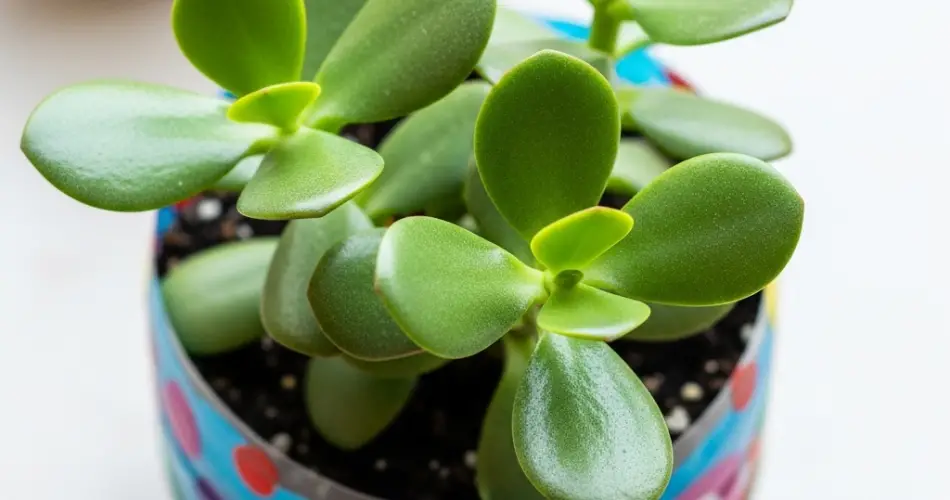
The jade plant (Crassula ovata), with its thick, glossy leaves and symbolic association with prosperity and luck, has long been a staple in homes and offices. Often grown in decorative ceramic pots, this hardy succulent also thrives in more minimalist and sustainable setups—like plastic bottles. Growing jade plants in recycled bottles not only saves space and money, but also turns household waste into functional planters that suit compact and modern living spaces.
This method is perfect for beginners or anyone looking to reduce their environmental footprint while maintaining a clean, elegant aesthetic. With just a few basic materials, you can grow healthy jade plants in plastic bottles, whether on your windowsill, shelf, or even as part of a wall-mounted display.
Why Choose Plastic Bottles for Growing Jade?
Plastic bottles are widely available, easy to modify, and surprisingly effective as planters for succulents like jade. These containers are lightweight, transparent (making it easy to monitor moisture and roots), and can be adapted for both soil and water setups.
Jade plants are naturally low-maintenance. They have thick leaves and stems that store water, allowing them to survive in dry conditions. Their slow growth makes them ideal for smaller containers, including recycled bottles. This minimalist setup is perfect for urban gardening, apartments, or anyone working with limited space.
Materials You’ll Need
-
A healthy jade plant cutting or young plant
-
A clean plastic bottle (500 ml to 1.5 liters, depending on plant size)
-
Well-draining soil (succulent or cactus mix)
-
Sharp scissors or knife
-
Optional: decorative materials like twine, paint, or fabric
-
A spoon or scoop for soil
-
Small gravel or pebbles (for drainage)
Preparing the Bottle
Start by thoroughly washing your plastic bottle to remove any residue. Once clean, you’ll need to turn it into a planter.
Option 1: Basic Planter
-
Cut the bottle horizontally, one-third of the way from the top.
-
Use the bottom portion as the planter.
-
Poke or drill 3–4 small holes in the base for drainage.
Option 2: Self-Watering Planter
-
Cut the bottle the same way, but keep both halves.
-
Invert the top half and place it into the bottom half.
-
Thread a cotton wick through the bottle cap, allowing it to dangle into the water reservoir below.
-
Fill the top with soil, and the bottom with water—the wick will draw moisture upward as needed.
If your bottle is clear and you’re concerned about light exposure causing algae or heating the roots, wrap the exterior in jute rope, cover it with paint, or use decorative washi tape.
Preparing the Soil and Planting
Jade plants require excellent drainage to prevent root rot. Use a cactus or succulent soil mix, or make your own using:
-
2 parts potting soil
-
1 part coarse sand or perlite
-
1 part small gravel (optional)
Steps to plant:
-
Add a shallow layer of gravel or pebbles to the bottom of the bottle for extra drainage.
-
Fill the container about halfway with soil.
-
Place the jade cutting upright in the center. If it’s a cutting, make sure the stem end has calloused over (dried for 2–3 days) before planting.
-
Fill in the remaining space with soil, pressing gently around the stem to secure it.
-
Water lightly until the soil is just moist—not soaked.
Light and Placement
Jade plants love sunlight. Place your bottle-grown jade in a bright area where it can receive at least 4–6 hours of light per day. A south- or west-facing windowsill is ideal. If light is limited, consider using a small grow light.
Avoid placing the plant in areas with cold drafts or overly humid environments, as these can lead to stress and rot.
Watering and Maintenance
Jade plants prefer dry conditions and do not need frequent watering. In a bottle setup:
-
Water only when the top 1–2 inches of soil are completely dry.
-
In a self-watering bottle, monitor the water level in the reservoir and refill sparingly.
-
Avoid letting the roots sit in standing water.
During the growing season (spring and summer), you can feed your jade plant once a month with a diluted succulent fertilizer. In fall and winter, reduce watering and avoid fertilizing altogether.
Wipe the leaves occasionally to remove dust, and rotate the bottle regularly to ensure even growth on all sides.
Styling Your Minimalist Bottle Garden
You can personalize your jade bottle planter to fit your interior style:
-
Use white stones or sand as a top layer for a clean, modern look.
-
Label each plant with a small tag or chalk sticker.
-
Hang small bottles in macrame holders or mount them to wood panels for vertical displays.
These minimalist planters are perfect for desks, kitchen counters, or even gifting.
A Sustainable and Elegant Growing Method
Growing jade plants in plastic bottles is a clever, eco-friendly way to enjoy greenery in small spaces. It combines the simplicity of low-maintenance gardening with the beauty of repurposed materials. Whether you’re starting a cutting or nurturing a small plant, this minimalist setup provides everything a jade plant needs to thrive—sun, airflow, and drainage. Plus, it’s a stylish reminder that sustainable gardening can be both beautiful and practical.


