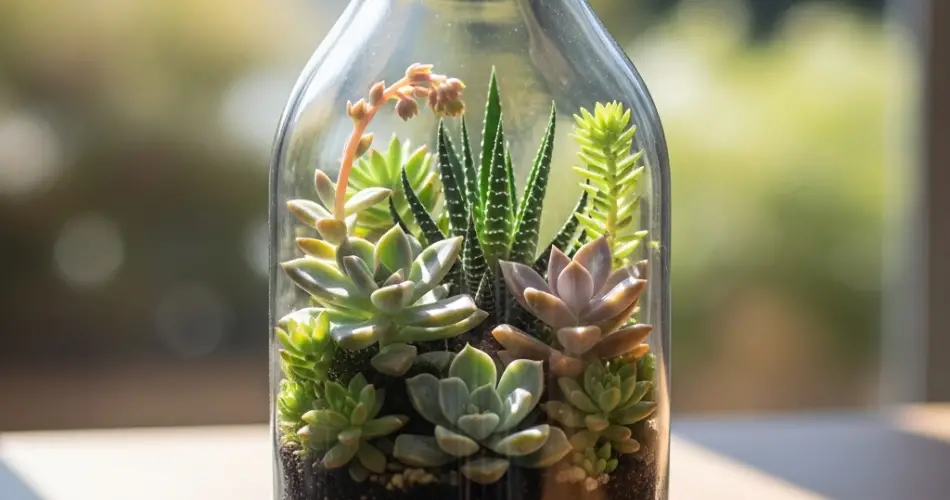
Jade plants (Crassula ovata), known for their fleshy, oval-shaped leaves and tree-like structure, are among the easiest and most rewarding succulents to grow indoors. Their resilience, minimal water requirements, and slow, compact growth make them ideal for small-space gardening. One creative and eco-friendly way to grow jade plants is by using plastic bottles as planters.
This method not only saves money but also gives discarded bottles a second life, reducing waste while creating attractive, space-efficient displays. Whether you’re starting with a leaf, stem cutting, or transplanting a small jade plant, this guide walks you through everything you need to create a thriving jade plant garden in a bottle.
Why Use Plastic Bottles for Jade Plants?
Plastic bottles are an excellent alternative to traditional pots. Here’s why they work well, especially for succulents like jade:
-
Eco-conscious: Repurposes household waste instead of adding to landfills.
-
Budget-friendly: No need to buy new containers or planters.
-
Customizable: Easy to cut, shape, and decorate to match your style.
-
Compact and lightweight: Perfect for window ledges, desks, and small apartments.
-
Good drainage control: You can modify the bottle to include drainage holes or create a water reservoir.
For succulent lovers who value sustainability, bottle gardening is both a practical and creative approach.
What You’ll Need
-
A healthy jade plant cutting or small starter plant
-
A clean plastic bottle (500 ml to 2 liters)
-
Scissors or a utility knife
-
A well-draining soil mix (cactus/succulent mix or homemade blend)
-
Small stones or pebbles for drainage (optional)
-
A spoon or small trowel
-
Optional: decorations like twine, paint, or fabric
Step 1: Prepare the Bottle Planter
Start by selecting a clean plastic bottle. Bottles with wide bases work best, giving your plant enough room to grow.
-
Cut the bottle horizontally about one-third from the top to create an open container.
-
Poke or drill a few holes in the bottom for drainage. If drainage isn’t possible, add a layer of small stones at the base to prevent water from sitting in the soil.
-
Rinse the bottle thoroughly and let it dry.
-
If desired, decorate the outside with twine, paint, or washi tape for added style.
Transparent bottles allow you to see moisture levels and root development, while opaque ones help block light to prevent algae in the soil.
Step 2: Prepare the Cutting or Plant
If you’re using a cutting, follow these steps:
-
Cut a healthy stem with at least two pairs of leaves.
-
Remove the lower leaves, leaving a bare stem to insert into soil.
-
Let the cutting dry in a shaded area for 2–3 days. This allows the cut end to callous over, reducing the risk of rot.
If you’re using a small potted jade plant, gently remove it from its pot, shake off excess soil, and check that the roots are healthy before transplanting into the bottle.
Step 3: Planting in the Bottle
-
Add a base layer of pebbles or gravel (if your bottle doesn’t have drainage holes).
-
Fill the container with succulent soil mix, leaving about an inch from the top.
-
Insert your jade cutting or transplant gently, pressing the soil around the base to support it.
-
Do not water immediately after planting if you used a fresh cutting. Wait a day or two to prevent rot.
Place the bottle planter in a bright spot with indirect sunlight. Jade plants prefer plenty of light but can get sunburned in intense direct rays.
Step 4: Watering and Maintenance
Succulents like jade require minimal water, especially in non-draining containers:
-
Water sparingly—only when the top 1–2 inches of soil are completely dry.
-
Use a small squeeze bottle or spoon to avoid overwatering.
-
Empty excess water if it pools at the bottom and your bottle lacks drainage.
-
In cooler months, reduce watering frequency even more.
Avoid getting water on the leaves, as it can lead to rot or fungal issues.
Step 5: General Care Tips
-
Light: Aim for at least 4 hours of bright, indirect sunlight daily.
-
Temperature: Jade plants prefer temperatures between 65–75°F (18–24°C) and should be kept away from cold drafts or extreme heat.
-
Feeding: Use a diluted succulent fertilizer once during the growing season (spring or summer).
-
Pruning: Pinch off leggy growth to encourage branching and maintain a compact shape.
Because jade plants grow slowly, they can thrive in bottle planters for a long time before needing repotting.
Creative Display Ideas
-
Use colored or patterned bottles to match your home decor.
-
Group several small bottles together with different succulents for a mini garden effect.
-
Try hanging bottle planters using macramé or wire for vertical green decor.
-
Use labels or chalk tags to mark planting dates or names.
Final Thoughts
Jade plants are a fantastic choice for indoor gardening, and growing them in reused plastic bottles adds an extra layer of creativity and sustainability to your plant care routine. It’s a fun way to reduce plastic waste, enjoy the beauty of succulents, and create personalized green accents in your space.
Whether you’re new to gardening or simply looking to reuse everyday materials in new ways, this bottle gardening project is an easy and rewarding place to start. With a little sun, the right soil, and occasional care, your jade plant will thrive—showing that even small, upcycled containers can hold big beauty.


