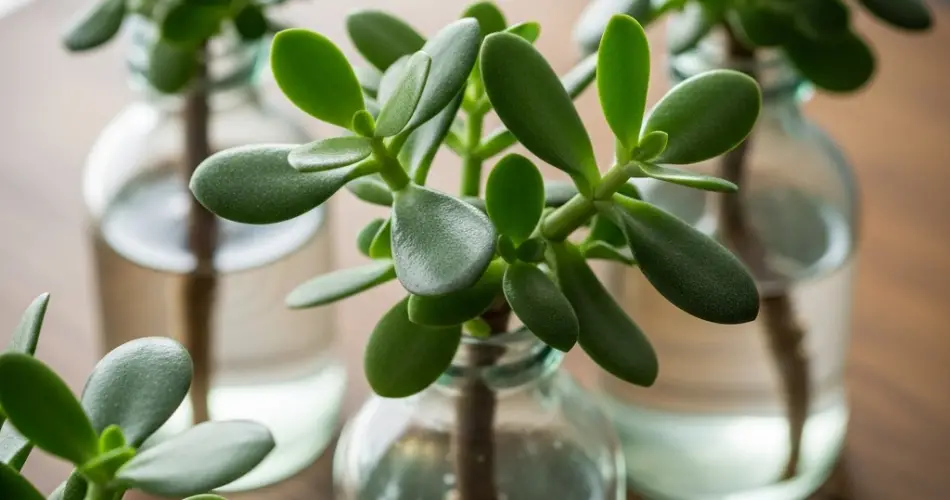
Jade plants (Crassula ovata) are one of the most beloved succulents for indoor gardening, thanks to their striking, fleshy leaves and their ability to thrive with minimal care. They symbolize prosperity and good luck, making them a popular choice for both homes and offices. If you’re looking for a creative and sustainable way to grow your jade plant, consider using a plastic bottle as a planter.
Not only does this method offer an eco-conscious alternative to buying new pots, but it also adds a unique decorative touch to your space. Turning an ordinary plastic bottle into a beautiful planter proves that gardening doesn’t have to be expensive or complicated. Here’s how to grow jade plants in bottles—easily, economically, and elegantly.
Why Bottles Are Perfect for Jade Plants
Jade plants are low-maintenance succulents with slow-growing, woody stems and thick leaves that store water. These qualities make them ideal for container gardening. Plastic bottles, in turn, are:
-
Lightweight and compact, great for small spaces
-
Recyclable and sustainable, helping reduce household waste
-
Customizable, allowing for fun DIY decorating
-
Budget-friendly, eliminating the need to buy pots
-
Clear (when left unpainted), making it easy to check soil moisture levels
Used thoughtfully, plastic bottles can function just as well as traditional pots, especially for plants like jade that don’t require frequent watering.
What You’ll Need
-
A healthy jade plant cutting or small potted jade plant
-
A clean plastic bottle (1–2 liter size works well)
-
Scissors or a utility knife
-
Well-draining succulent or cactus soil
-
Small pebbles or gravel (optional, for drainage)
-
A spoon or scoop for soil
-
Optional: string, twine, fabric, or paint for decorating
Step 1: Prepare the Bottle
Start with a clean, dry plastic bottle. Bottles with a wider base offer better stability and root space.
-
Cut the bottle about one-third from the top to create an open container.
-
If you prefer, punch 2–3 small holes in the bottom for drainage.
-
If drainage isn’t possible, add a layer of small pebbles or gravel at the bottom to prevent root rot.
-
Smooth sharp edges with sandpaper or gently melt them with a lighter.
-
Optionally, decorate the outside with twine, rope, or non-toxic paint for a more refined look.
Step 2: Prepare Your Jade Plant
If using a cutting:
-
Choose a healthy stem with at least 2–3 leaves.
-
Use clean scissors to snip just below a leaf node.
-
Remove the lower leaves and let the cutting rest for 2–3 days in a dry, shaded area. This helps the cut end form a callous and prevents rot.
If transplanting a small plant:
-
Gently remove it from its original container and shake off excess soil.
-
Check that roots are white and healthy before placing in your bottle.
Step 3: Fill and Plant
-
If your bottle doesn’t have drainage holes, add a thin layer of gravel at the base.
-
Fill the rest of the bottle with cactus or succulent soil mix, leaving about an inch of space at the top.
-
Insert the jade cutting or transplant into the center and press the soil gently around the base to secure it.
-
Avoid watering immediately after planting a fresh cutting. Wait a day or two to allow it to settle.
Step 4: Place in the Right Spot
Jade plants need bright, indirect sunlight. Place your bottle planter:
-
Near a sunny window with filtered light
-
On a balcony or patio with morning sun
-
Away from intense afternoon sun, which can scorch the leaves
Jade plants are happy in average indoor temperatures (65–75°F or 18–24°C) and don’t like sudden changes in conditions.
Step 5: Watering and Care
-
Water only when the top 1–2 inches of soil are completely dry.
-
Use a small cup or bottle with a nozzle to direct water near the base.
-
If there’s no drainage, use less water and tilt the bottle to pour out any excess.
-
Reduce watering in cooler months or if the plant is not actively growing.
Overwatering is the most common issue with jade plants. When in doubt, wait another day.
Additional Tips for Success
-
Prune leggy growth to encourage bushier development.
-
Wipe leaves occasionally to remove dust and help the plant photosynthesize efficiently.
-
Fertilize lightly once a month during spring and summer using diluted succulent fertilizer.
-
Rotate the plant every few weeks for even growth and light exposure.
Jade plants grow slowly, making them perfect for long-term bottle gardening without frequent repotting.
Creative Display Ideas
-
Group multiple bottles with different succulents for a vibrant mini-garden.
-
Hang decorated bottles from a shelf or railing using macramé or string.
-
Label each bottle with the plant’s name or propagation date.
-
Use decorative stones on top of the soil for a polished look.
Bottle planters are a fun and flexible way to make your indoor garden more personal and expressive.
Final Thoughts
Growing jade plants in plastic bottles is a rewarding, sustainable gardening project that combines beauty with environmental mindfulness. With just a few simple materials and a little care, you can transform discarded plastic into elegant, functional planters that showcase your greenery in style.
Whether you’re a beginner experimenting with succulents or a seasoned plant lover seeking eco-friendly ideas, this method offers a fresh take on indoor gardening—proof that beauty can blossom from even the humblest materials.


