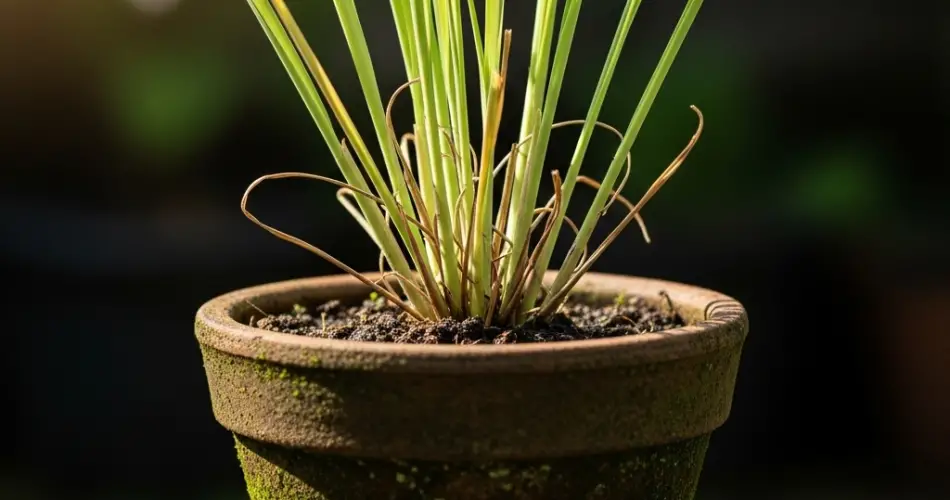
Lemongrass is a fragrant, tropical herb that brings both beauty and practicality to your home garden. Known for its tall, graceful stalks and citrusy aroma, it is widely used in Asian cuisine, herbal teas, and natural remedies. While often associated with large garden spaces, lemongrass adapts surprisingly well to container gardening. With the right care, you can enjoy this versatile plant on patios, balconies, or even indoors in a sunny kitchen corner.
Why Grow Lemongrass in Pots?
There are several advantages to growing lemongrass in containers:
-
Space-friendly: Containers make it possible to cultivate lemongrass even in small areas where garden beds are not available.
-
Mobility: Pots allow you to move the plant easily to sunnier spots, protect it from harsh winds, or bring it indoors when the weather turns cold.
-
Pest control: Growing in containers reduces the risk of pests spreading from surrounding soil.
-
Convenience: Keeping pots close to the kitchen makes harvesting quick and easy whenever a recipe calls for fresh lemongrass.
For urban gardeners or those with limited space, container-grown lemongrass is an ideal solution.
Choosing the Right Container
Lemongrass grows tall and forms dense clumps, so it needs a roomy pot. Choose a container that is at least 12–14 inches deep and equally wide. Larger pots will allow the roots to spread and prevent overcrowding as the plant matures.
Plastic or lightweight resin pots are practical for balconies and patios, as they are easier to move, but ceramic or terracotta containers add a decorative touch. Whatever material you choose, ensure the pot has good drainage holes at the bottom.
Soil Preparation
Healthy soil is the foundation for strong lemongrass growth. This herb prefers fertile, well-draining soil that retains some moisture without becoming soggy. A high-quality potting mix enriched with compost works best. For extra drainage, add a small amount of sand or perlite.
Lemongrass thrives in slightly acidic to neutral soil with a pH between 6.0 and 7.0. Before planting, loosen the soil well to encourage root penetration.
Planting Lemongrass
Lemongrass can be grown from seeds, stalk cuttings, or nursery plants.
-
From stalks: This is the most common method. Purchase fresh lemongrass stalks with intact bases from a store or market. Place them in a glass of water until roots form, then transfer them into your prepared pot.
-
From seedlings or divisions: Many nurseries sell young plants ready for transplanting. Simply place them in the container and firm the soil around the base.
When planting, position each stalk 6–8 inches apart to give the clumps space to expand. Water thoroughly after planting to help the roots settle in.
Sunlight and Temperature Needs
As a tropical plant, lemongrass loves warmth and light. Place your pots where they receive at least 6–8 hours of direct sunlight daily. On patios or balconies, a south-facing spot is ideal. Indoors, a sunny windowsill or supplemental grow light will help keep plants healthy.
Lemongrass thrives in temperatures between 70°F and 85°F. In colder climates, it cannot survive frost. Before winter arrives, bring pots indoors or overwinter them in a greenhouse.
Watering and Feeding
Lemongrass prefers consistently moist soil. Check the soil regularly and water when the top inch feels dry. During hot summer days, container-grown plants may need daily watering. However, avoid waterlogging, as soggy soil can lead to root rot.
To encourage strong growth, feed lemongrass every 3–4 weeks during the growing season with a balanced liquid fertilizer. Organic options like compost tea or fish emulsion also work well. Regular feeding ensures the stalks remain plump, aromatic, and flavorful.
Harvesting Lemongrass
Harvesting is simple and rewarding. Once stalks reach at least 12 inches tall and the base is about half an inch thick, they are ready to use. To harvest, pull or cut the stalk at soil level. Always leave a few stalks behind so the plant can regrow.
The outer stalks are typically harvested for cooking, while the tender inner cores can be chopped for teas and marinades. Even the leaves can be used to infuse soups or brewed as herbal tea.
Maintaining Healthy Plants
To keep lemongrass thriving in pots, trim back older leaves and remove any yellowing foliage. This encourages new growth and prevents the plant from becoming too crowded. Every couple of years, divide mature clumps and replant them into fresh containers with new soil.
Final Thoughts
Lemongrass is more than just a flavorful herb—it is also an attractive plant that adds a touch of the tropics to patios, kitchens, or balconies. Growing it in pots gives gardeners flexibility, whether it’s moving the plant to follow the sun, bringing it indoors during winter, or keeping it close for quick harvesting. With proper soil, sunlight, and consistent watering, container-grown lemongrass will reward you with fragrant stalks and lush greenery season after season.
By choosing pots as your growing method, you can enjoy the convenience of fresh lemongrass right at home, even in the smallest urban spaces.


