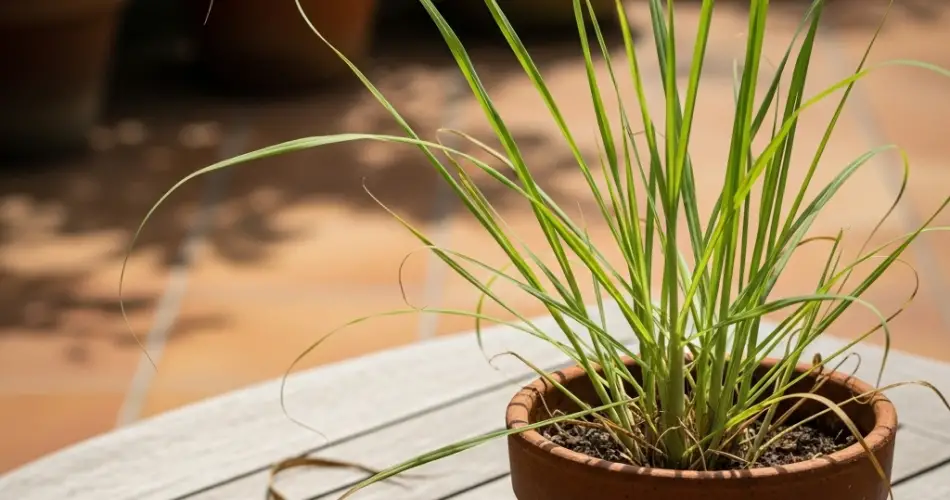
Lemongrass (Cymbopogon citratus) is a vibrant, aromatic herb that adds a citrusy punch to soups, curries, teas, and marinades. Native to tropical regions, this hardy plant thrives in warm climates, but thanks to container gardening, you don’t need a large garden—or even a backyard—to enjoy it. With the right pot setup, soil, and care, you can grow healthy lemongrass plants at home, whether on a sunny balcony, a small patio, or even indoors. This ultimate pot guide will walk you through everything you need to know to cultivate lemongrass successfully in containers.
Why Grow Lemongrass in Pots?
Lemongrass is an ideal candidate for container gardening because of its clumping growth habit and its love for warmth and sun. By growing it in pots, you can control its environment, ensuring it gets the best conditions even if your climate is less than tropical. Containers also prevent the plant from spreading too aggressively, keeping it tidy and manageable. Plus, with portability, you can move pots indoors during cold months, extending your growing season.
Choosing the Perfect Pot
The container is the foundation of successful lemongrass cultivation. Because lemongrass grows in dense clumps and develops a strong root system, you’ll need a pot that is both deep and wide. Ideally, select a container at least 14–16 inches in diameter and 12–16 inches deep. Larger pots encourage vigorous stalk development, while smaller ones may restrict growth.
Plastic and ceramic pots are excellent choices because they retain moisture better than terracotta, which dries out quickly. Whatever material you choose, make sure the pot has proper drainage holes. Good drainage prevents waterlogging, which can lead to root rot. For indoor growing, place a saucer beneath the pot to catch excess water.
The Best Soil Mix
Soil is just as important as the pot. Lemongrass thrives in well-draining yet moisture-retentive soil enriched with organic matter. A good soil recipe includes:
-
2 parts high-quality potting soil
-
1 part compost or well-rotted manure
-
1 part sand or perlite for aeration
This combination ensures that roots stay nourished and well-aerated while preventing excess water from stagnating. Lemongrass prefers a soil pH of 6.0–7.0, so aim for slightly acidic to neutral conditions. Refreshing the soil with compost every few months keeps plants healthy and productive.
Planting Lemongrass
You can start lemongrass either from stalks bought at the market or young nursery plants. If you’re using stalks, select fresh ones with firm, bulbous bases. Place them in a glass of water until roots appear, then transfer them into the prepared container. Plant stalks 2–3 inches deep and space them a few inches apart if growing multiple in a single pot. Water thoroughly to settle the soil around the roots.
Light and Temperature Requirements
Lemongrass is a sun-loving herb, so position your pot where it will receive at least 6–8 hours of direct sunlight daily. Outdoors, a south-facing balcony or patio is ideal. Indoors, place pots near the sunniest window, preferably south-facing. Lemongrass grows best in temperatures between 70–85°F (21–29°C). It cannot withstand frost, so in colder climates, move the pot indoors before temperatures drop below 40°F (4°C).
Watering and Feeding
Moisture is essential for lemongrass growth. Water regularly, ensuring the soil stays consistently moist but not soggy. In summer heat, you may need to water daily. Adding a thin layer of mulch on top of the soil helps retain moisture and prevents it from drying out too quickly.
To keep your plant lush, feed it every 3–4 weeks during the growing season with a balanced liquid fertilizer. Organic options like compost tea, seaweed extract, or fish emulsion also work well and improve soil health over time.
Maintenance and Pruning
Like most herbs, lemongrass benefits from occasional pruning. Remove any yellow or dried leaves to encourage new growth and improve airflow around the plant. If your pot becomes crowded, divide clumps every couple of years to maintain vigor. Repotting is also a good time to refresh the soil and expand into a larger container if necessary.
Harvesting Lemongrass
Harvesting lemongrass is simple and rewarding. Once stalks reach at least ½ inch thick at the base, they are ready for use. Pull or cut the outer stalks close to the soil, leaving the inner shoots to continue growing. The bulbous lower stem is commonly used in cooking, while the long leaves can be dried and brewed into teas or infused into oils. Regular harvesting not only provides a steady supply but also stimulates new shoots.
Common Issues and Solutions
-
Brown, dry tips: Usually a sign of underwatering. Adjust your watering routine.
-
Slow growth: Often due to insufficient sunlight or poor soil nutrition. Move to a sunnier location and feed regularly.
-
Pests: Aphids and spider mites may occasionally appear. Treat them with insecticidal soap or neem oil.
Final Thoughts
Growing lemongrass in pots is a practical, space-saving way to enjoy this fragrant herb year-round. With the right pot, soil mix, sunlight, and watering schedule, your lemongrass plant will thrive, providing you with a continuous harvest of fresh stalks and leaves. Beyond its culinary uses, lemongrass also brings beauty and a refreshing aroma to your home, whether indoors or outdoors. By following this ultimate pot guide, you’ll have everything you need to cultivate healthy, productive lemongrass right at home.


