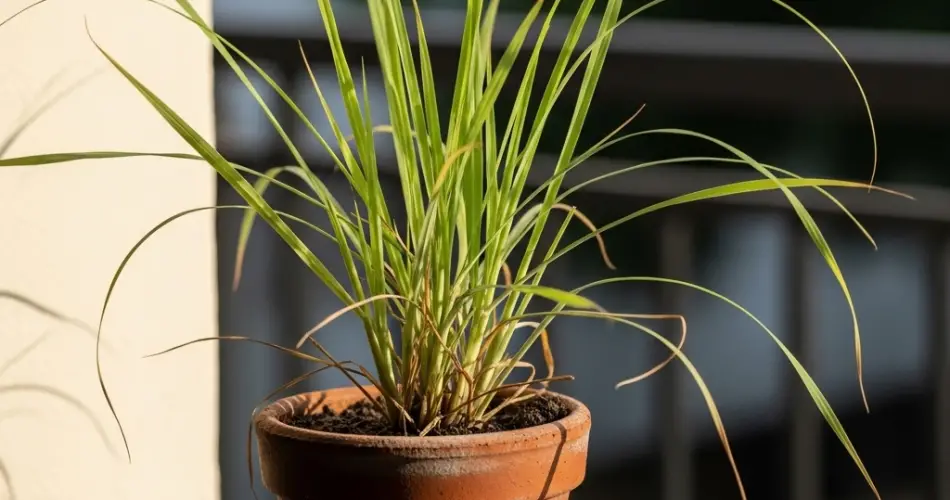
Lemongrass (Cymbopogon citratus) is a fragrant, tropical herb prized for its citrusy flavor and refreshing aroma. Commonly used in Asian cooking, herbal teas, and natural remedies, it is both a culinary delight and a decorative plant. While lemongrass grows abundantly in warm climates, it adapts perfectly to containers, making it accessible to anyone with a balcony, patio, or sunny windowsill. By learning the proper techniques for planting and caring for lemongrass in pots, you can enjoy a continuous fresh supply right at home.
Why Grow Lemongrass in Pots?
Container gardening offers several advantages for lemongrass. The plant thrives in warm, sunny environments, and pots allow you to move it easily to the best location throughout the seasons. If you live in a region with cold winters, growing in containers makes it possible to bring the plant indoors before frost. Pots also help control the spreading nature of lemongrass, keeping it contained and manageable, while still allowing for a plentiful harvest of stalks and leaves.
Choosing the Right Container
Lemongrass forms tall, arching clumps and a strong root system, so it needs a large container to grow well. Select a pot that is at least 14–16 inches in diameter and depth. This size provides enough space for the roots to expand and for the plant to produce thick, harvestable stalks. Plastic or ceramic pots work well because they retain moisture better than terracotta, which tends to dry out quickly. Regardless of the material, make sure the container has drainage holes to prevent waterlogging.
The Best Soil for Lemongrass
Lemongrass prefers fertile, well-draining soil that stays consistently moist. A high-quality potting mix is a good starting point, but you can improve it by adding organic matter. A suitable soil mix can include:
-
2 parts potting soil
-
1 part compost or well-rotted manure
-
1 part sand or perlite for aeration
This blend ensures steady nutrition, good drainage, and moisture retention. Lemongrass grows best in slightly acidic to neutral soil with a pH of 6.0–7.0. Refreshing the soil with compost every few months helps maintain fertility and keeps plants vigorous.
Planting Lemongrass in Pots
You can grow lemongrass from stalks purchased at the market or from young nursery plants. If starting from stalks, choose fresh ones with the base intact. Place them in a glass of water until roots begin to form, then transfer them into the potting mix. Plant each stalk 2–3 inches deep, spacing multiple stalks a few inches apart if your container is large enough. Water thoroughly after planting to settle the roots.
Light and Temperature Needs
As a tropical plant, lemongrass thrives in full sun. Position your pot where it receives at least 6–8 hours of direct sunlight daily. In cooler regions, place pots in the warmest, sunniest spot available, such as a south-facing balcony or patio. Lemongrass grows best in temperatures between 70–85°F (21–29°C). Since it is sensitive to frost, bring containers indoors when temperatures begin to drop in autumn, or treat lemongrass as an annual in colder climates.
Watering and Feeding
Lemongrass needs consistent moisture to grow lush and flavorful. Check the soil regularly and water when the top inch feels dry. In hot summer months, potted lemongrass may require daily watering. Mulching the soil surface with straw or dried leaves helps retain moisture and reduces the frequency of watering.
Fertilizing is equally important. Feed the plant with a balanced liquid fertilizer every 3–4 weeks during the growing season. Lemongrass also responds well to organic feeds like compost tea or diluted fish emulsion, which encourage strong stalk development and healthy foliage.
Pruning and Maintenance
Regular maintenance keeps your lemongrass healthy and attractive. Remove any dry or yellowing leaves to encourage new growth. Trim back overgrown clumps to prevent crowding, and repot the plant every 2–3 years when the roots become too dense. Dividing clumps at this time not only rejuvenates the plant but also provides new stalks you can pot up or share.
Harvesting Lemongrass
Lemongrass is ready for harvest once stalks are at least ½ inch thick near the base. To harvest, pull or cut stalks at soil level, choosing the outer stalks first and leaving the central ones to continue growing. Both the bulbous base and the long leaves are useful: the base is commonly used in cooking, while the leaves can be dried for tea or infused in oils. Regular harvesting encourages the plant to produce new shoots, ensuring a continuous supply.
Common Problems and Solutions
-
Dry, brown tips: Usually caused by underwatering. Increase watering frequency.
-
Slow growth: Often due to lack of sunlight or poor soil nutrition. Move the pot to a sunnier spot and add compost or fertilizer.
-
Pests like spider mites or aphids: These can be managed with a spray of water, insecticidal soap, or neem oil.
Final Thoughts
Growing lemongrass in pots is a practical and rewarding way to ensure a fresh supply of this fragrant herb all year round. With a large container, rich soil, consistent watering, and plenty of sunlight, your plant will thrive and provide an abundance of stalks for cooking, teas, and natural remedies. Beyond its usefulness in the kitchen, lemongrass adds lush greenery and a pleasant aroma to balconies, patios, or indoor spaces. With just a little attention and care, this tropical favorite can easily become a star of your container garden.


