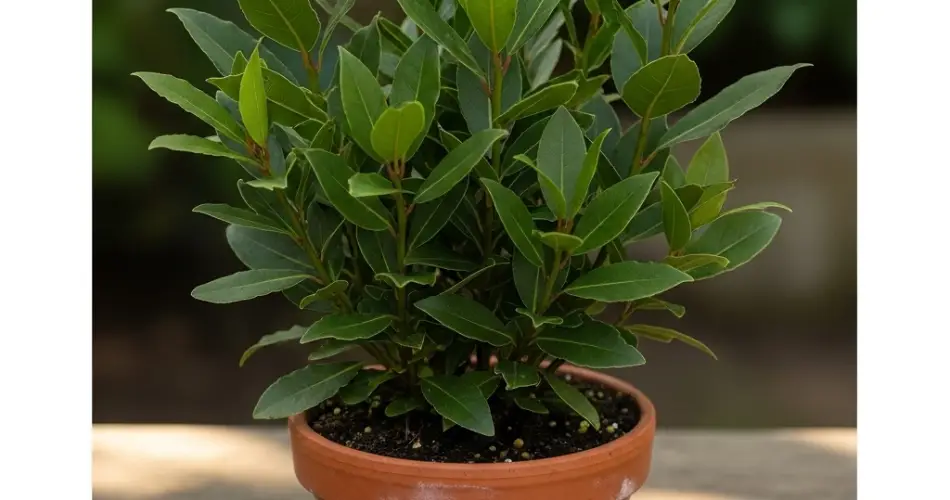
Bay trees, also known as Laurus nobilis or bay laurels, are classic Mediterranean plants admired for both their culinary and ornamental value. Their glossy evergreen leaves add fragrance to soups, stews, and sauces, while the trees themselves bring elegance to patios, balconies, and porches. When grown in pots, bay trees remain compact and manageable, making them suitable even for urban gardeners. However, to keep them healthy and thriving in containers, it’s essential to provide the right care.
This guide covers all the key aspects of growing bay trees in pots, from choosing the right container to long-term maintenance.
Choosing the Right Container
Bay trees can live for decades, even in pots, if given the right start. Select a sturdy container at least 12–16 inches in diameter and depth. Larger pots provide stability for the root system and reduce the need for frequent repotting. Terra cotta, ceramic, and wooden containers are attractive options, but lightweight resin or plastic pots may be easier to move around.
Drainage is critical. Always ensure the pot has holes at the bottom to prevent water from collecting around the roots, which can lead to rot. If the pot sits on a balcony or patio, consider elevating it slightly with pot feet to improve airflow and drainage.
Soil and Planting
Healthy bay trees begin with the right soil. Use a well-draining potting mix enriched with compost or organic matter. Avoid heavy garden soil, which may compact and restrict root growth. A blend that retains some moisture but drains efficiently works best.
When planting, position the root ball at the same level it was in its nursery pot. After planting, water thoroughly to help the soil settle around the roots.
Sunlight and Placement
Bay trees thrive in full sun to partial shade. Ideally, they should receive at least 6 hours of direct sunlight daily. Place your pot in a bright spot on a patio, balcony, or porch. In very hot climates, some afternoon shade helps prevent leaf scorch.
If you live in colder regions, bay trees can be moved indoors before frost arrives. Position them near a south-facing window where they receive ample sunlight. If natural light is limited, supplement with a grow light to maintain healthy growth.
Watering Bay Trees
Consistent watering is one of the most important factors in keeping bay trees healthy in pots. Allow the top inch of soil to dry slightly between waterings, then water deeply until excess drains from the bottom. Avoid leaving the pot standing in water, as this can lead to root rot.
During hot summers, potted bay trees may need water more frequently. In winter, when growth slows, reduce watering but do not allow the soil to dry out completely.
Feeding and Fertilizing
Bay trees are slow growers, but they benefit from regular feeding during the growing season. Apply a balanced liquid fertilizer every 4–6 weeks from spring through late summer. Organic options such as seaweed extract or compost tea also work well.
During fall and winter, feeding can be reduced or paused since the plant enters a resting phase.
Pruning and Shaping
One advantage of growing bay trees in pots is the ability to shape them. Bay trees respond well to pruning, allowing gardeners to maintain them as shrubs, standards, or topiaries. Prune in late spring or early summer to remove dead or crossing branches and to maintain the desired shape.
Harvesting leaves for cooking doubles as light pruning. Pick mature, dark-green leaves when needed. Fresh leaves are aromatic, but dried leaves develop a more concentrated flavor.
Protecting from Pests and Diseases
Bay trees are generally hardy but can sometimes face issues, especially in pots. Common pests include scale insects, aphids, and bay sucker. Inspect the leaves regularly for sticky residue, curled edges, or discoloration. A gentle wash with soapy water or a spray of horticultural oil can manage infestations.
Good air circulation around the plant also reduces the risk of fungal problems like powdery mildew. Avoid overwatering, as damp conditions encourage disease.
Repotting and Long-Term Care
Bay trees grow slowly, so repotting is only necessary every 3–4 years. When roots begin circling the container or growth seems stunted, move the tree into a slightly larger pot with fresh soil. Between repottings, you can refresh the top few inches of soil annually by replacing it with nutrient-rich compost.
With consistent care, bay trees can thrive for decades in pots. Their longevity makes them a rewarding plant for gardeners who enjoy both beauty and function in their outdoor spaces.
Final Thoughts
Bay trees are an excellent choice for pot gardens, offering fragrant leaves for the kitchen and ornamental greenery for patios and balconies. Keeping them healthy requires the right balance of sunlight, water, nutrition, and pruning. By choosing the right container, maintaining well-draining soil, and paying attention to seasonal care, you can enjoy a robust bay tree that enhances your garden and cooking for years to come.


