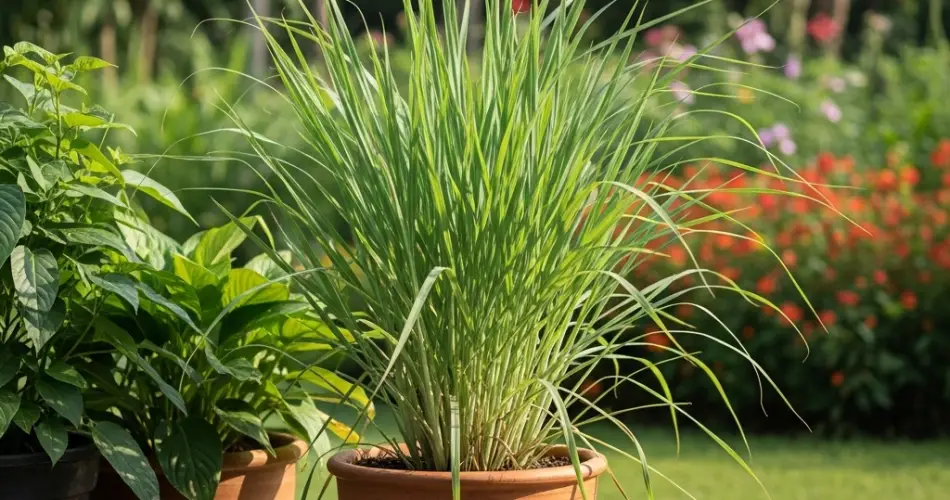
Lemongrass, with its zesty citrus aroma and bold flavor, is a staple in Southeast Asian cuisine and herbal remedies. Known for adding a fresh, lemony kick to soups, teas, stir-fries, and marinades, this tropical grass is surprisingly easy to grow at home—even without a backyard. By planting lemongrass in pots, you can cultivate this flavorful herb on a balcony, patio, or sunny windowsill.
Whether you’re an experienced gardener or a curious beginner, growing lemongrass in containers is a low-maintenance and rewarding experience. Here’s everything you need to know to grow this versatile herb in your own home.
Why Grow Lemongrass in Pots?
Lemongrass (Cymbopogon citratus) is well-suited for container gardening. It’s a sun-loving, warm-weather plant that thrives with minimal fuss, making it perfect for small urban spaces. Growing it in pots allows you to:
-
Move the plant indoors during cooler months.
-
Control soil quality and drainage.
-
Manage its size more easily.
-
Harvest fresh lemongrass anytime.
This plant also acts as a natural insect repellent, adding even more value to your balcony or garden area.
Choosing the Right Container
Lemongrass has a fibrous root system and forms dense clumps, so choose a deep and wide container—at least 30 cm (12 inches) in both depth and diameter. As the plant grows, you may eventually need to divide and repot it.
Use a container with good drainage holes to prevent water from accumulating at the bottom, which can lead to root rot. Plastic, clay, or ceramic pots all work well.
Best Soil for Lemongrass
Lemongrass prefers light, well-draining soil that retains some moisture without becoming soggy. A mix of standard potting soil with a bit of sand or perlite works well. To boost nutrition, blend in a small amount of compost or aged manure.
The ideal soil pH is slightly acidic to neutral (around 6.0 to 7.0). Avoid compacted or clay-heavy soils that restrict root growth.
Starting Lemongrass from Stalks
You can start lemongrass from either nursery-grown seedlings or fresh stalks from the grocery store. If you’re using stalks:
-
Choose firm, green stalks with the bulbous base intact.
-
Peel off the tough outer layers.
-
Place the base in a jar of water, submerging about 3–5 cm.
-
Keep the jar in a sunny spot and change the water every two days.
Roots should begin to develop within 5–10 days. Once roots are about 2–4 cm long, the stalk is ready to be planted in soil.
Planting in Containers
Fill your pot with moist, prepared soil, leaving a few centimeters of space at the top. Make a small hole and plant the rooted lemongrass stalk with the base buried and leaves pointing upward.
Firm the soil gently around the base and water thoroughly. Place the pot in a sunny location with at least 6 hours of direct sunlight per day.
Watering and Feeding
Lemongrass likes consistently moist (but not soggy) soil. Water when the top 2–3 cm of soil feels dry. During hot weather, you may need to water daily, especially if the pot is small or placed in full sun.
Feed every 3–4 weeks during the growing season with a balanced liquid fertilizer or compost tea. This will encourage lush growth and stronger flavor.
Maintenance and Care
Lemongrass grows quickly in warm conditions. To keep it healthy:
-
Remove any yellow or dry leaves to encourage new growth.
-
Trim back tall, unruly blades to maintain a neat appearance.
-
In cooler climates, bring the plant indoors before the first frost.
-
If growing indoors, place it near a bright window or use a grow light.
Every year or two, divide the plant by separating rooted clumps and replanting them in fresh containers. This keeps the plant vigorous and gives you more lemongrass to grow.
Harvesting Lemongrass
You can start harvesting once the stalks reach at least 1 cm thick and 30–45 cm tall. To harvest:
-
Use a sharp knife or garden scissors to cut the stalk at the soil line.
-
Peel away the tough outer layers and use the white, tender inner core for cooking.
-
Chop the green tops for tea or let them dry and use as a fragrant herb.
Harvest only a few stalks at a time to ensure the plant continues growing.
Common Issues and Solutions
-
Slow growth: May result from low light or poor soil. Ensure enough sun and refresh the soil annually.
-
Pests: Lemongrass is generally pest-resistant, but occasional aphids can be washed off with water or treated with neem oil.
-
Fungal issues: Avoid overwatering and provide good airflow around the plant.
Conclusion
Lemongrass is a tropical herb that adapts wonderfully to container gardening. With a little sunshine, regular watering, and basic care, you can enjoy a fresh supply of this aromatic grass year-round. Perfect for tea lovers, home cooks, and urban gardeners alike, potted lemongrass brings both beauty and function to your home garden—even in the smallest of spaces.