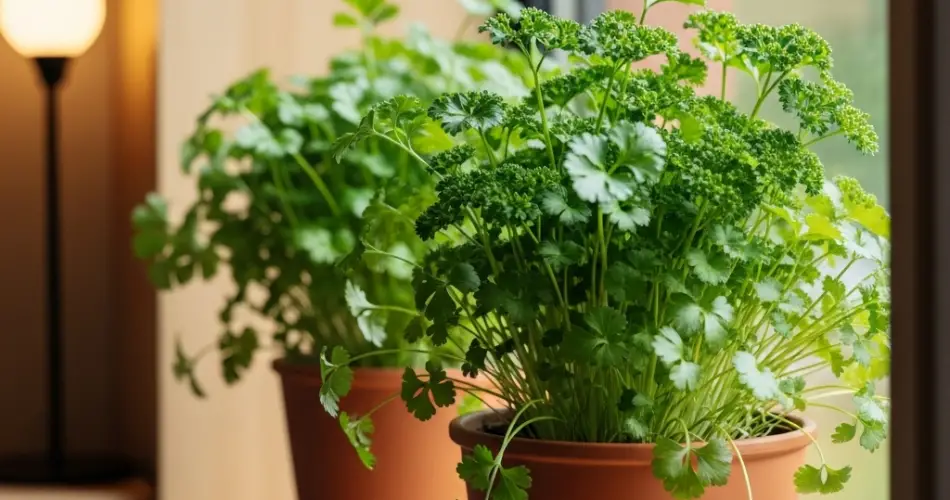
Parsley isn’t just a garnish — it’s a powerhouse of flavor, nutrients, and versatility in the kitchen. Best of all, you can grow it right on your countertop or windowsill. With minimal space and a bit of care, parsley thrives indoors, giving you a steady supply of fresh, fragrant leaves to elevate your meals.
Whether you’re a beginner or seasoned indoor gardener, this guide will show you how to grow lush, healthy parsley in your kitchen all year round.
Why Grow Parsley Indoors?
Growing parsley indoors offers several benefits:
-
Convenience: Harvest fresh leaves whenever you cook.
-
Year-round availability: Enjoy parsley even in cold or rainy seasons.
-
Pest-free gardening: Indoor conditions minimize pest issues.
-
Compact growing: No yard or garden needed — perfect for small apartments.
Parsley is also a hardy herb that adapts well to indoor conditions, making it an ideal choice for container gardening.
Choosing the Right Parsley Variety
There are two main types of parsley you can grow:
-
Curly-leaf parsley (Petroselinum crispum): Recognized by its frilly, decorative leaves. Great as a garnish or for adding texture.
-
Flat-leaf or Italian parsley (Petroselinum neapolitanum): Known for its stronger flavor, preferred for cooking.
Both varieties do well indoors, so the choice depends on your culinary preferences.
Best Containers for Indoor Parsley
Choose a pot or container that’s:
-
At least 6–8 inches deep
-
Equipped with drainage holes to prevent root rot
-
Compact enough to fit on your kitchen counter or windowsill
Clay or ceramic pots help maintain moisture balance, but lightweight plastic containers also work well.
Use a saucer underneath the pot to catch excess water and protect surfaces.
Soil and Potting Mix
Parsley needs rich, well-draining soil. For optimal growth:
-
Use a quality potting mix — not garden soil.
-
Mix in compost or worm castings to boost nutrients.
-
Ensure the soil is light and loose, allowing proper root development.
Avoid heavy, compacted soil, which can suffocate roots and hold too much water.
Planting Parsley Indoors
You can grow parsley from seeds or buy young starter plants from a nursery.
From Seeds:
-
Soak seeds in warm water overnight to speed up germination.
-
Fill your container with moist potting mix.
-
Sow seeds about ¼ inch deep, spaced evenly.
-
Cover lightly with soil and mist with water.
-
Place the container in a warm, bright spot.
Parsley seeds are slow to sprout — expect germination in 2–3 weeks. Be patient and keep the soil consistently moist but not soggy.
Light Requirements
Parsley thrives on bright, indirect sunlight. Aim for:
-
6–8 hours of light per day
-
A south- or east-facing window for natural light
-
If natural light is limited, use a grow light to supplement
Insufficient light results in leggy, pale plants. Rotate the pot regularly to encourage even growth.
Watering and Humidity
Parsley likes moisture but not overwatering.
-
Water when the top inch of soil feels dry.
-
Avoid letting the roots sit in standing water.
-
Misting the leaves occasionally helps maintain humidity.
In dry indoor environments (especially with heaters or AC), use a humidity tray or place a bowl of water nearby to increase ambient moisture.
Feeding and Fertilizing
To keep your parsley growing strong:
-
Feed every 3–4 weeks with a diluted liquid fertilizer.
-
Use an organic option like fish emulsion or seaweed extract for kitchen-safe herbs.
Avoid over-fertilizing, as this can lead to weak, overgrown foliage with less flavor.
Harvesting Parsley
Once your parsley plant reaches about 6 inches tall, you can begin harvesting:
-
Use clean scissors to cut stems at the base, starting from the outer edges.
-
Always leave the inner stems intact to encourage regrowth.
-
Frequent harvesting promotes bushier, more productive plants.
Parsley grown indoors can continue producing for several months with regular trimming and care.
Common Problems and Solutions
-
Yellowing leaves: Usually a sign of overwatering or poor drainage.
-
Spindly growth: Lack of sunlight; consider adding a grow light.
-
Slow growth: Parsley naturally grows slowly, especially early on — give it time and maintain steady care.
Keep your container clean, check for pests like aphids, and remove any dead leaves regularly.
Final Thoughts
Growing parsley indoors in your kitchen is a simple and rewarding project. It provides fresh herbs at your fingertips and brings a touch of greenery to your home. With proper light, watering, and a bit of patience, your parsley plant will thrive year-round — ready to flavor soups, salads, sauces, and more.
Start with a small pot on your windowsill, and you may soon find yourself growing an entire indoor herb garden.


