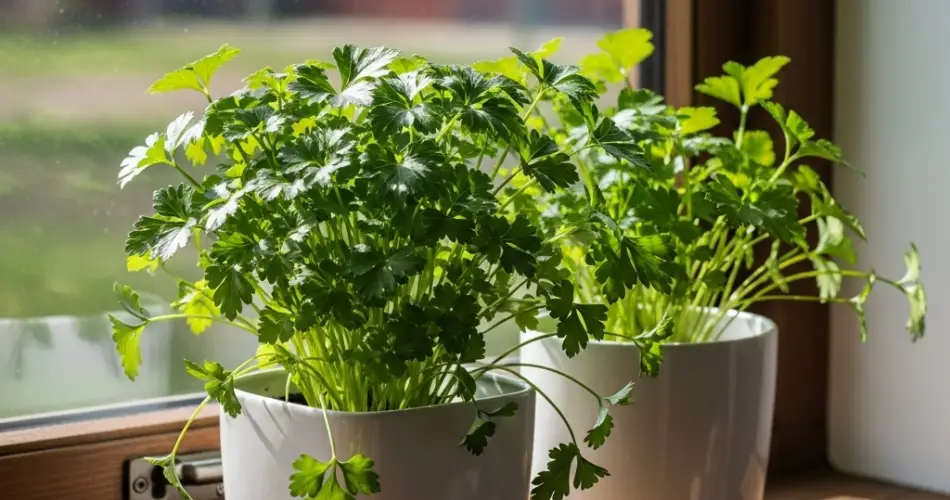
Parsley is more than just a garnish—it’s a flavorful, nutrient-rich herb that’s easy to grow and perfect for home kitchens. Whether you prefer the flat-leaf Italian variety for cooking or the curly type for decoration, parsley adds freshness and brightness to dishes year-round. The best part? You don’t need a garden or even a balcony. With a little sunlight and a small container, you can grow parsley right on your kitchen windowsill.
This compact guide will show you how to cultivate fresh, fragrant parsley indoors, giving you instant access to this popular herb whenever you need it.
Why Grow Parsley Indoors?
Parsley is an ideal candidate for indoor herb gardening. It has a compact growth habit, requires moderate care, and does well in containers. Growing it on your kitchen windowsill offers several benefits:
-
Easy access while cooking
-
Fresh flavor all year long
-
Clean, pesticide-free leaves
-
An attractive and aromatic addition to your indoor space
Flat-leaf (Italian) parsley offers a stronger flavor and is ideal for seasoning, while curly parsley has a milder taste and works great for garnishing. Both can thrive indoors with the right care.
Choosing a Container
Start with a container that’s at least 15–20 cm (6–8 inches) deep. Parsley has a taproot that benefits from some depth, but it doesn’t need an overly large pot. Choose a container with good drainage holes to prevent root rot.
You can use ceramic, clay, plastic, or even upcycled containers as long as they provide proper drainage and fit your windowsill. A shallow dish or tray placed underneath helps catch excess water and keeps your kitchen tidy.
The Right Soil
Parsley prefers well-draining, fertile soil with good moisture retention. Use a high-quality potting mix, preferably one that contains compost or added organic matter. Avoid heavy garden soil, which may compact and hinder drainage in containers.
A slightly acidic to neutral pH (6.0 to 7.0) is ideal. You can mix in a small amount of perlite or vermiculite to improve aeration and avoid waterlogging.
Starting from Seeds or Seedlings
Parsley can be grown from either seeds or starter plants. While seedlings give you a head start, starting from seed is economical and easy.
To start from seeds:
-
Soak the seeds in warm water overnight to speed up germination.
-
Fill your pot with damp potting mix.
-
Scatter seeds lightly on the surface and cover with a thin layer of soil (about 0.5 cm deep).
-
Mist the top with water and cover the pot with plastic wrap or a humidity dome.
-
Place in a warm, bright location.
Germination can take 14–21 days, so be patient. Once the seedlings sprout, remove the cover and thin them to about 7–10 cm apart.
If using seedlings, gently transplant them into your prepared pot, keeping the root system intact.
Light Requirements
Parsley needs plenty of light to thrive—ideally 5 to 6 hours of direct sunlight each day. A south- or west-facing windowsill is usually the best option. If natural light is limited, supplement with a grow light for 12–14 hours daily.
Rotate the pot every few days to ensure even growth and prevent the plant from leaning toward the light.
Watering and Feeding
Keep the soil consistently moist but never soggy. Water when the top 2 cm (1 inch) of soil feels dry. Use a watering can with a narrow spout to avoid splashing soil on your windowsill.
Parsley is a light feeder, but occasional feeding helps maintain healthy growth. Use a diluted liquid organic fertilizer every 3–4 weeks during the growing season.
Harvesting Your Parsley
You can begin harvesting once your parsley plant is about 15 cm (6 inches) tall and has several clusters of leaves.
-
Always cut from the outer stems near the base.
-
Avoid removing more than one-third of the plant at a time.
-
Regular harvesting encourages bushier, healthier growth.
Use fresh parsley immediately in recipes or store in a glass of water on the counter for a few days. For long-term storage, freeze chopped parsley in ice cube trays with a little water or oil.
Maintenance and Troubleshooting
-
Yellowing leaves: Often due to overwatering or poor drainage. Let the soil dry slightly between watering.
-
Leggy growth: Usually caused by insufficient light. Move the plant to a sunnier spot or add a grow light.
-
Slow growth: Parsley grows slowly at first. Give it time and avoid over-fertilizing.
Pinch off flower stalks if they appear to prolong the productive life of the plant.
Conclusion
Growing parsley on your windowsill is a simple and satisfying way to bring fresh flavor to your meals. With just a small pot, some sunlight, and a little care, you can enjoy a vibrant herb garden right in your kitchen. Whether you’re topping soups, mixing sauces, or garnishing plates, freshly picked parsley is always within arm’s reach—adding color, taste, and nutrition to your home cooking.


