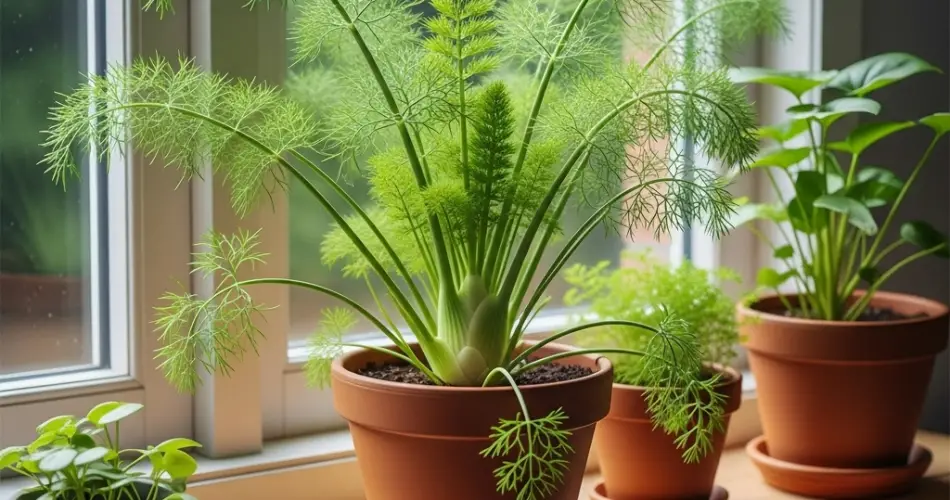
Fennel is a flavorful, aromatic plant known for its feathery fronds and slightly sweet, anise-like taste. Popular in Mediterranean cuisine, it can be used both as an herb and a vegetable. While fennel is often grown outdoors, it’s entirely possible to cultivate it indoors in your kitchen garden. With the right setup and care, you can grow fresh fennel right on your windowsill or countertop.
Here’s a step-by-step guide to growing fennel indoors successfully.
Why Grow Fennel Indoors?
Growing fennel indoors provides a host of benefits:
-
Fresh harvest at your fingertips – ideal for cooking.
-
Controlled environment – fewer pests and diseases.
-
Space-saving gardening – no backyard required.
-
Year-round availability – perfect for those who love to cook with fennel regularly.
Whether you’re growing it for its crisp bulb or fragrant fronds, indoor fennel offers both culinary and decorative value.
Choosing the Right Fennel Variety
There are two main types of fennel:
-
Florence fennel (Foeniculum vulgare var. azoricum) – Grown for its bulb and often used in salads, sautés, and roasts.
-
Herb fennel (Foeniculum vulgare) – Also known as sweet fennel, primarily cultivated for its feathery leaves and seeds.
If you’re aiming to harvest the bulb, go with Florence fennel. If you want fresh fronds for garnish and flavoring, herb fennel is ideal.
Selecting the Right Container
Fennel has a deep taproot, especially if you’re growing it for its bulb. Choose a container that is:
-
At least 12 inches deep and wide
-
Equipped with drainage holes
-
Stable enough to support the tall, bushy plant
Use a saucer or tray to catch any excess water and protect indoor surfaces.
Soil Requirements
Fennel thrives in well-draining, fertile soil. Prepare a high-quality potting mix enriched with:
-
Compost or worm castings for nutrients
-
Perlite or coarse sand to improve drainage
-
A slightly acidic to neutral pH (around 6.0 to 7.0)
Avoid heavy garden soil, which can retain too much moisture and hinder root development.
How to Plant Fennel Indoors
Start from seeds for the best results indoors. Transplanting fennel often leads to root disruption, which affects bulb development.
Steps:
-
Fill the container with moistened potting mix.
-
Sow fennel seeds ¼ inch deep and about 1–2 inches apart.
-
Lightly cover and water gently.
-
Place the container in a warm, sunny spot.
Germination takes 7–14 days. Once seedlings are a few inches tall, thin them out to allow about 8–10 inches of space per plant.
Light Requirements
Fennel needs plenty of sunlight to thrive.
-
Provide at least 6 hours of direct sunlight daily.
-
A south-facing window is ideal.
-
If natural light is limited, supplement with a full-spectrum grow light for 12–14 hours per day.
Keep the container rotated every few days to encourage even growth.
Watering and Humidity
Fennel prefers consistently moist soil but does not tolerate soggy conditions.
-
Water when the top inch of soil feels dry.
-
Avoid overwatering or letting the container sit in pooled water.
-
Reduce watering slightly once the bulb starts forming to prevent rot.
Indoor air can be dry, so consider misting the plant occasionally or placing a humidity tray nearby.
Fertilizing Fennel
Feed fennel every 3–4 weeks using a balanced, water-soluble fertilizer.
-
Choose an organic fertilizer with equal parts nitrogen, phosphorus, and potassium.
-
Switch to a low-nitrogen fertilizer once the bulb begins forming to encourage healthy bulb growth.
Avoid over-fertilization, as it can result in excessive leafy growth at the expense of the bulb.
Harvesting Indoor Fennel
Fronds: You can begin harvesting the feathery leaves once the plant reaches about 8 inches tall. Snip off outer fronds as needed, allowing the inner ones to continue growing.
Bulb: If you’re growing Florence fennel, wait until the bulb reaches 3–4 inches in diameter. Use a sharp knife to cut it at soil level. Leave the roots in the pot — sometimes, a second bulb will regrow.
Seeds: Allow flowers to bloom and dry out. Collect the seeds by snipping off the flower heads and shaking them into a paper bag.
Common Issues and How to Fix Them
-
Leggy plants: Not enough sunlight — move to a brighter spot or use a grow light.
-
Slow growth: May need more nutrients or warmth.
-
Yellowing leaves: Overwatering or poor drainage; check the pot’s drainage holes and reduce watering frequency.
Fennel is relatively pest-resistant indoors, but occasionally watch for aphids or spider mites. Wipe them off with a damp cloth or use a mild soap spray.
Final Thoughts
Fennel can be a stunning and practical addition to your indoor kitchen garden. With its aromatic foliage and distinctive flavor, it’s an excellent herb to grow at home. Whether you’re snipping fronds for a soup or slicing bulbs for a roast, having fresh fennel within reach adds a gourmet touch to everyday meals.
By following these simple steps, you’ll enjoy a fragrant and flavorful harvest all year long — right from your windowsill.


