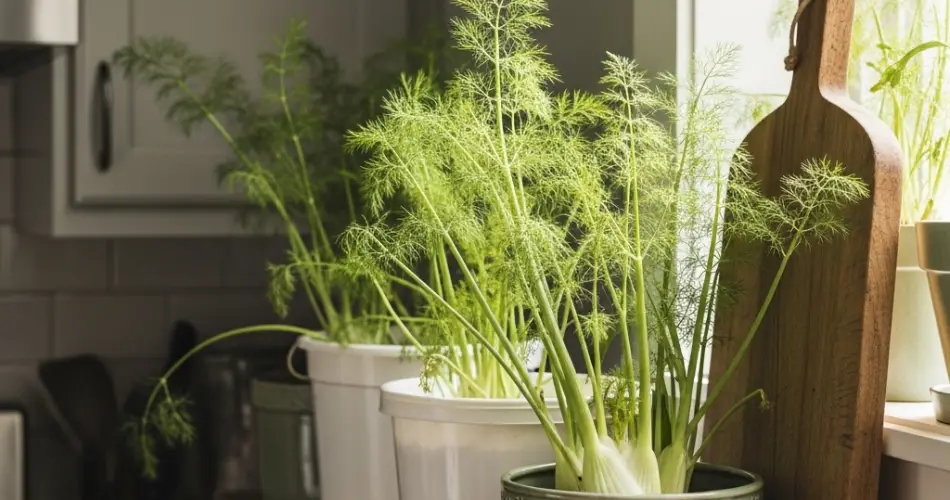
Fennel is a flavorful and aromatic herb with a delicate anise-like scent that elevates both sweet and savory dishes. Whether you’re using the bulb, fronds, or seeds, fennel adds a sophisticated twist to meals. Even better, you can grow this elegant herb indoors, right in your kitchen. With the right container, light, and care, fennel can flourish just steps away from your stove—ready whenever inspiration strikes.
If you’re short on outdoor space or want year-round access to fresh herbs, growing fennel indoors is a smart and satisfying solution. Here’s how to bring the charm and utility of this Mediterranean herb into your home.
Why Grow Fennel Indoors?
Fennel is not just useful in the kitchen—it’s also a beautiful plant with soft, feathery fronds that can double as décor. Though it’s traditionally grown outdoors, fennel adapts well to container life indoors when given sufficient light and attention.
Benefits of growing fennel in your kitchen include:
-
Quick access to fresh herbs while cooking
-
Controlled growing conditions (light, water, temperature)
-
No exposure to pests or poor weather
-
A lovely green touch for windowsills or countertops
Choosing the Right Variety
There are two main types of fennel:
-
Florence fennel (bulb fennel) – Grown for its crisp, sweet bulb and edible fronds.
-
Herb fennel (common fennel) – Cultivated mainly for its fronds and aromatic seeds.
For indoor growing, herb fennel is more practical since it doesn’t require as much root space. However, with a deep enough container and proper care, even Florence fennel can be grown indoors for its tender bulbs.
Container and Soil Requirements
Fennel grows a long taproot, so it’s important to select a deep container—at least 30 cm (12 inches) deep and 20–25 cm (8–10 inches) wide. Containers with good drainage are essential to avoid root rot.
Use a lightweight, well-draining potting mix. You can enhance regular potting soil by mixing in perlite or coarse sand to improve aeration. A slightly acidic to neutral pH (6.0 to 7.0) is ideal for fennel.
Place a saucer beneath your container to catch excess water and prevent messes on your kitchen counter or windowsill.
Planting Fennel in the Kitchen
You can start fennel from seeds or transplants. If planting from seed:
-
Soak seeds in water overnight to speed up germination.
-
Plant seeds 1 cm deep in moist potting mix.
-
Keep the soil damp and warm—germination usually occurs in 7–10 days.
If using seedlings, plant them gently into the container, firming the soil around the base. Water immediately after planting to help settle the roots.
Space isn’t a major issue when growing fennel for fronds, but if you’re hoping to grow bulbs, allow extra room between plants to let the base swell properly.
Light and Temperature Needs
Fennel loves sunlight and warmth. For best growth indoors, place your container near a sunny window that receives at least 6 hours of light daily. A south-facing window is ideal. If natural light is limited, supplement with a grow light for 12–14 hours a day.
Indoor temperatures between 18°C and 24°C (65–75°F) are perfect. Keep the plant away from cold drafts and heat vents.
Watering and Feeding
Fennel prefers consistently moist soil but doesn’t like to sit in water. Water when the top 2–3 cm of soil feels dry. Be sure to empty the saucer underneath the pot if water accumulates.
Feed your indoor fennel plant every 3–4 weeks with a diluted liquid fertilizer or compost tea. Too much nitrogen can make the plant grow fast but reduce flavor, so balance is key.
Harvesting Indoor Fennel
Fronds: Start harvesting fennel fronds once the plant reaches about 30 cm in height. Snip the feathery green tops with scissors as needed. These can be used in salads, soups, or as a garnish.
Bulbs: If you’re growing Florence fennel, bulbs can be harvested when they reach about the size of a tennis ball. Cut them just above the soil line. If conditions are right, the plant may regrow.
Seeds: Let some fronds flower and go to seed. Once the seed heads turn brown and dry, collect the seeds for culinary use or to sow future plants.
Regular harvesting of fronds encourages new growth and helps keep the plant tidy and productive.
Common Indoor Growing Tips
-
Leggy growth? Likely due to insufficient light—move the plant to a brighter spot or add a grow light.
-
Slow development? Ensure your container is deep enough and the plant isn’t rootbound.
-
Yellowing leaves? Could be due to overwatering. Let the top layer of soil dry out between waterings.
Rotate your plant every few days to promote even growth on all sides, especially if light is coming from only one direction.
Conclusion
Growing fennel in your kitchen is an easy and enjoyable way to bring both beauty and fresh flavor into your home. Whether you’re harvesting feathery fronds for garnish or cultivating bulbs for roasting and stews, having this fragrant herb close at hand makes cooking more convenient and inspiring. With a sunny windowsill, a deep pot, and a little care, you can enjoy fennel at your fingertips any day of the year.


