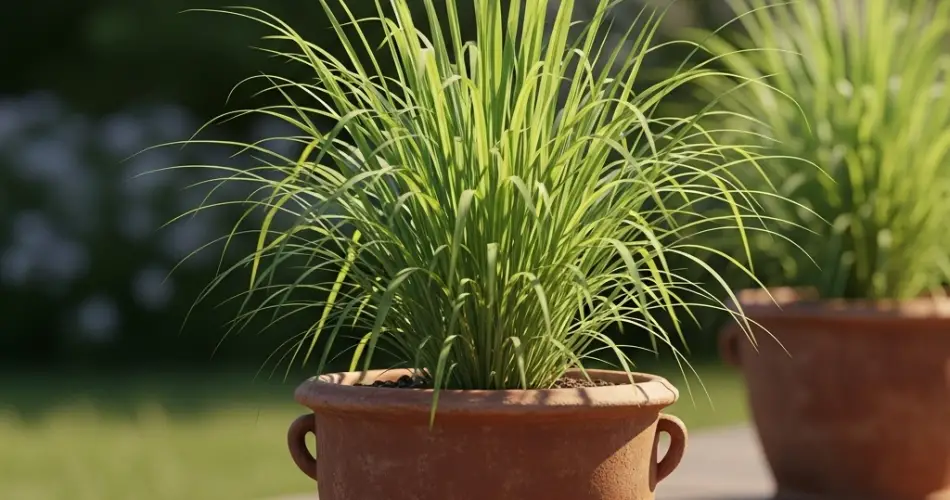
Lemongrass (Cymbopogon citratus) is a versatile and aromatic herb commonly used in Asian cuisine, herbal teas, and natural remedies. Its citrusy flavor and fragrance make it a favorite for home cooks and gardeners alike. Fortunately, you don’t need a backyard to grow lemongrass — it thrives in containers and is well-suited for balconies, patios, and sunny windowsills.
This guide will walk you through how to grow fresh lemongrass in containers for convenient harvesting and year-round use.
Why Grow Lemongrass in Containers?
Growing lemongrass in containers has several advantages:
-
Portability: You can easily move the plant indoors during colder months or reposition it for maximum sunlight.
-
Space-saving: Ideal for balconies, decks, and apartment living.
-
Pest control: Containers help minimize the risk of soil-borne pests and diseases.
-
Water regulation: It’s easier to manage moisture levels in a pot than in open ground.
Choosing a Container
Lemongrass grows in clumps and needs space for its roots to spread. Select a container that is:
-
At least 12–14 inches deep and wide.
-
Made of terracotta, ceramic, or durable plastic with good insulation properties.
-
Equipped with adequate drainage holes at the base.
A larger container will support multiple stalks and more robust growth.
Soil Requirements
Lemongrass prefers rich, well-draining soil. For the best results:
-
Use a quality potting mix enriched with compost or organic matter.
-
Mix in perlite or coarse sand to improve drainage if needed.
-
Maintain a soil pH between 6.0 and 7.5 — slightly acidic to neutral.
Avoid compacted or heavy clay soil, which can cause water retention and root rot.
Planting Lemongrass
You can grow lemongrass from transplants, seeds, or even store-bought stalks with the base intact.
-
From stalks: Place the trimmed base of a lemongrass stalk in a glass of water. In a few days, roots will begin to form.
-
Once the roots are about 2 inches long, plant the stalk into moist soil in the container.
-
Water thoroughly after planting and place the container in a warm, sunny location.
If using nursery-grown plants, plant them directly into the container, spacing each stalk about 6 inches apart if planting multiples.
Light and Temperature
Lemongrass loves the sun. To encourage strong growth:
-
Place your container in a spot that receives 6–8 hours of direct sunlight daily.
-
Ideal daytime temperatures range between 70–90°F (21–32°C).
-
If you live in a cooler climate (below USDA Zone 9), bring the container indoors during winter, or grow lemongrass as an annual.
Indoors, place the container near a bright, south-facing window or supplement with a grow light.
Watering and Feeding
Lemongrass prefers consistently moist soil, but never soggy.
-
Water regularly, especially during dry or hot weather.
-
Check the soil by sticking your finger about an inch deep — if it feels dry, it’s time to water.
-
Apply a balanced liquid fertilizer every 3–4 weeks during the growing season.
-
For organic feeding, apply compost tea or fish emulsion monthly.
Mulching the top of the soil helps retain moisture and suppress weeds, especially in outdoor setups.
Pruning and Maintenance
To keep your lemongrass thriving:
-
Trim off dead or yellowing leaves to encourage new growth.
-
Periodically harvest outer stalks, allowing inner shoots to mature.
-
If the plant becomes root-bound, divide the clump and transplant it into fresh containers.
Dividing lemongrass every 12–18 months helps refresh growth and increases your supply.
Harvesting Lemongrass
You can begin harvesting once the stalks are at least half an inch thick near the base:
-
Use a sharp knife to cut the stalk close to the soil line.
-
Peel off the tough outer layers to reveal the tender, aromatic core.
-
Chop finely for cooking, or steep whole stalks in hot water for tea.
The fragrant leaves can also be used to flavor soups, curries, or as a base for herbal teas and insect repellents.
Common Issues and Troubleshooting
Lemongrass is relatively hardy but watch for:
-
Root rot: Avoid overwatering and ensure good drainage.
-
Rust or fungal spots: Improve air circulation and treat with a mild organic fungicide if needed.
-
Pests: Rare in containers, but aphids or spider mites may occasionally appear — treat with neem oil or insecticidal soap.
Regular monitoring and proper care will keep your lemongrass healthy and productive.
Final Thoughts
Growing lemongrass in containers is an easy and rewarding way to enjoy fresh herbs year-round, whether you’re working with a backyard garden or a small balcony. With its lush green blades and vibrant citrus scent, lemongrass adds both culinary value and ornamental appeal to your space. Follow these simple steps, and you’ll have a thriving, fragrant plant ready for harvest whenever your recipes call for a burst of flavor.


