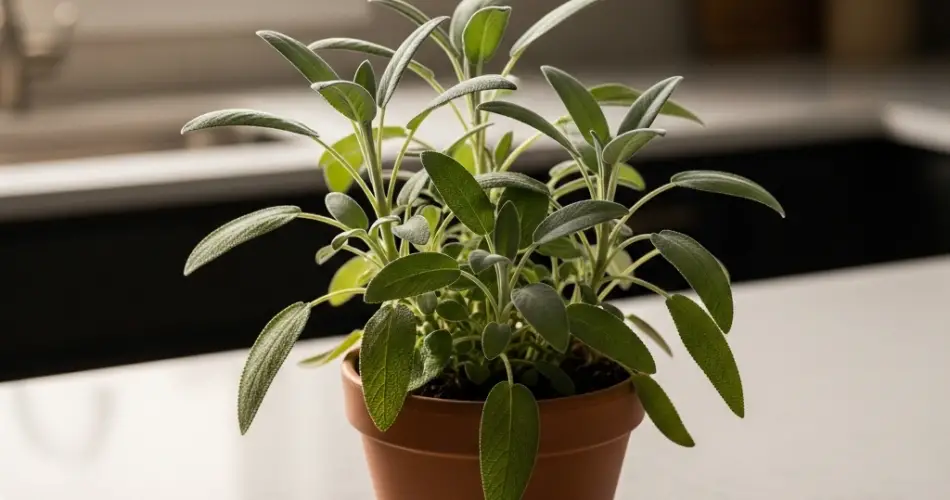
Sage (Salvia officinalis) is a highly aromatic, flavorful herb that has long been used in cooking, traditional medicine, and even home rituals. With its soft, silvery-green leaves and earthy scent, sage brings both beauty and utility to any indoor space. Growing sage indoors on a windowsill or kitchen counter is not only possible—it’s surprisingly easy.
If you enjoy savory roasts, herb butters, or homemade stuffing, having fresh sage within arm’s reach is a culinary bonus. Here’s everything you need to know to successfully grow and use this timeless herb indoors all year long.
Why Grow Sage Indoors?
Sage is a compact, drought-tolerant plant that adapts well to life in containers. Growing it indoors offers a number of advantages:
-
Year-round availability: Enjoy fresh sage in your recipes no matter the season.
-
Pest protection: Indoors, sage is safe from many common outdoor insects and diseases.
-
Convenience: Harvest leaves as needed, directly from your kitchen.
-
Aesthetics and aroma: Sage adds a soft, elegant texture to your indoor space and releases a calming scent when brushed or trimmed.
With a sunny window and a little care, sage will thrive indoors and supply flavorful leaves for months.
Best Sage Varieties for Indoor Growing
Several varieties of sage are well-suited for indoor containers. Look for compact or dwarf cultivars that don’t outgrow their space:
-
Common Garden Sage (Salvia officinalis): The most widely used culinary type, with a strong, savory flavor.
-
Berggarten Sage: A compact cultivar with broad, ornamental leaves and excellent culinary quality.
-
Purple Sage: Adds visual interest with its deep purple-tinged foliage.
-
Golden Sage: Features variegated yellow and green leaves, perfect for decorative pots.
All of these varieties grow well indoors as long as they receive sufficient light and proper care.
Choosing the Right Pot
Sage doesn’t require a large pot, but it does need good drainage. A 6- to 8-inch container with drainage holes will support a single plant comfortably. Use terracotta or clay pots if possible—they allow the soil to dry out more evenly, which sage prefers.
Be sure to place a saucer beneath the pot to catch any excess water and protect your kitchen surfaces.
Soil Requirements
Sage prefers well-draining, sandy soil that mimics its native Mediterranean environment. Use a high-quality potting mix for herbs or vegetables, and amend it with coarse sand or perlite to promote drainage.
Ideal soil pH for sage ranges from 6.0 to 7.0. Avoid overly rich or moisture-retentive soils, as these can lead to root rot and fungal issues.
Light and Temperature Needs
Sage is a sun-loving herb and requires at least 6 to 8 hours of direct sunlight daily. A south- or west-facing window is best. If natural light is limited, consider supplementing with a full-spectrum LED grow light placed 6–12 inches above the plant.
Keep your indoor sage plant in a room with temperatures between 60–75°F (15–24°C). Avoid placing it near cold drafts or heating vents, which can stress the plant.
Watering and Feeding
Sage is drought-tolerant and prefers to dry out slightly between waterings. Water thoroughly when the top inch of soil feels dry, and let any excess water drain freely from the pot. Avoid letting the plant sit in standing water.
Fertilize sparingly. Feed the plant once every 4–6 weeks during the active growing season with a diluted balanced liquid fertilizer. Over-fertilizing can cause leggy growth and diminish flavor.
Pruning and Harvesting
Frequent pruning encourages sage to grow bushier and healthier. Once the plant is about 6 inches tall, begin harvesting by snipping leaves or cutting stem tips just above a leaf node.
Try not to remove more than one-third of the plant at a time. Consistent light harvesting keeps the plant productive and delays flowering, which can reduce the quality of the leaves.
If flowers do appear, pinch them off to encourage the plant to focus on foliage production.
Common Issues and How to Prevent Them
Overwatering is the most common problem with indoor sage. Always check the soil moisture before watering, and ensure your container drains well.
Insufficient light can cause the plant to grow spindly or lose flavor. If sage appears leggy or pale, it likely needs more sun or a supplemental grow light.
Pests like aphids or spider mites may appear occasionally. Use a gentle insecticidal soap or rinse the plant under water to remove them.
How to Use Fresh Sage
Fresh sage leaves can be used in a variety of dishes. Chop finely and add to:
-
Roast chicken or turkey
-
Savory stuffing and dressing
-
Bean and lentil soups
-
Herbed butter or sauces
-
Meat rubs and marinades
You can also dry excess sage by hanging bunches upside down in a dry, well-ventilated area, then store the dried leaves in an airtight container for future use.
Final Thoughts
Growing sage indoors adds both flavor and charm to your kitchen. With its silvery foliage, minimal care needs, and strong aroma, sage is a valuable herb that rewards home cooks and gardeners alike. All it asks for is sunlight, occasional watering, and a little pruning—and in return, it delivers a touch of the Mediterranean to your meals year-round.


