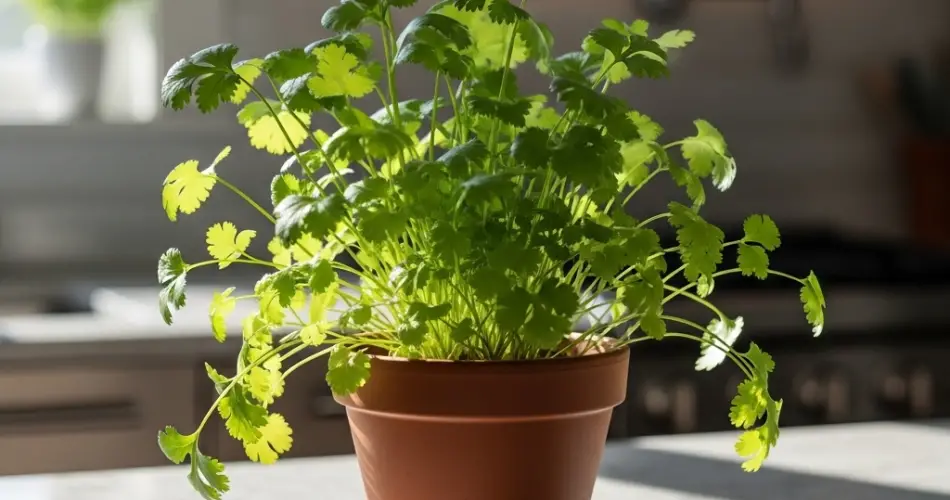
Cilantro, also known as coriander in some parts of the world, is a flavorful herb used in a wide variety of cuisines—from Mexican salsa and Indian curries to Thai stir-fries and Mediterranean salads. Its citrusy, slightly peppery flavor adds a refreshing twist to both cooked and raw dishes. The good news is that you don’t need a garden to enjoy this versatile herb. With just a small pot, a sunny spot, and a little care, you can grow fresh cilantro right in your home.
Here’s how to successfully grow cilantro indoors for a steady supply of fresh leaves all year long.
Why Grow Cilantro Indoors?
Cilantro is a cool-season herb that grows quickly and can be harvested within weeks of planting. Growing it indoors not only gives you easy access to fresh herbs for your recipes, but it also protects the plant from excessive heat and pests—two things that can cause cilantro to bolt (go to seed) prematurely when grown outdoors.
Indoor gardening is also perfect for those who lack outdoor space, live in colder climates, or simply want the convenience of harvesting straight from the kitchen windowsill.
Choosing the Right Container
Cilantro grows best in a container that is at least 8 inches deep to accommodate its long taproot. Choose a pot with good drainage holes to prevent water from sitting in the bottom and causing root rot.
You can plant cilantro in individual pots or a long window box if you’d like to grow several plants at once. Clay pots are a good choice because they help regulate moisture levels, but plastic or ceramic containers work fine as long as they allow excess water to drain.
Soil Requirements
Cilantro prefers rich, well-draining soil. A good potting mix formulated for herbs or vegetables will work well. You can improve drainage by mixing in a little perlite or coarse sand.
For best results, use a soil mix with a neutral to slightly acidic pH (6.2–6.8). Avoid compacted or clay-heavy soils, as these retain too much moisture and can harm cilantro’s delicate roots.
Starting Cilantro from Seeds
Cilantro does not transplant well due to its sensitive roots, so it’s best to sow the seeds directly into the final container. Soak the seeds in water overnight to soften the outer shell and speed up germination.
Sow the seeds about ¼ inch deep and cover lightly with soil. Water gently to keep the soil evenly moist. Place the container in a bright, sunny spot such as a south-facing window. You should see sprouts within 7 to 10 days.
For a continuous harvest, sow a new batch of seeds every 2 to 3 weeks.
Light and Temperature Needs
Cilantro requires at least 4 to 6 hours of direct sunlight daily to thrive. If your indoor space doesn’t provide enough natural light, you can use a full-spectrum grow light to supplement. Place the grow light about 6 inches above the plants and keep it on for 12 to 14 hours per day.
Cilantro grows best in cooler indoor temperatures—ideally between 60°F and 75°F (15°C to 24°C). Keep it away from radiators, ovens, or direct heat sources, as high temperatures can cause the plant to bolt early.
Watering and Feeding
Cilantro likes consistently moist soil, but not soggy conditions. Water the plant when the top inch of soil feels dry. Make sure excess water drains out of the pot to prevent root rot.
Cilantro is not a heavy feeder, but you can give it a light dose of liquid fertilizer once a month during the growing season. Use a balanced 10-10-10 fertilizer diluted to half-strength, or go with an organic option like compost tea.
Harvesting Cilantro
Once the plants are 6 to 8 inches tall, you can begin harvesting the outer leaves. Use scissors to snip the leaves close to the base, allowing the inner leaves to keep growing. Regular harvesting encourages bushier growth and delays flowering.
Try to harvest in the morning when the flavor is strongest. If the plant starts to flower, you can allow it to go to seed and harvest the coriander seeds for cooking or replanting.
Preventing Bolting
Cilantro has a short growing cycle and tends to bolt quickly, especially when exposed to heat. To prevent this, keep the plant in a cool area and harvest leaves regularly. If your cilantro bolts, don’t worry—you can collect the seeds and start a new batch, keeping the cycle going indoors.
Final Thoughts
Growing cilantro indoors is a simple and rewarding way to keep fresh, flavorful herbs within arm’s reach. With minimal space and care, you can enjoy the vibrant taste of cilantro in your cooking year-round. Whether you’re making tacos, chutney, or salad dressing, freshly snipped cilantro from your own windowsill garden is sure to elevate your meals.


