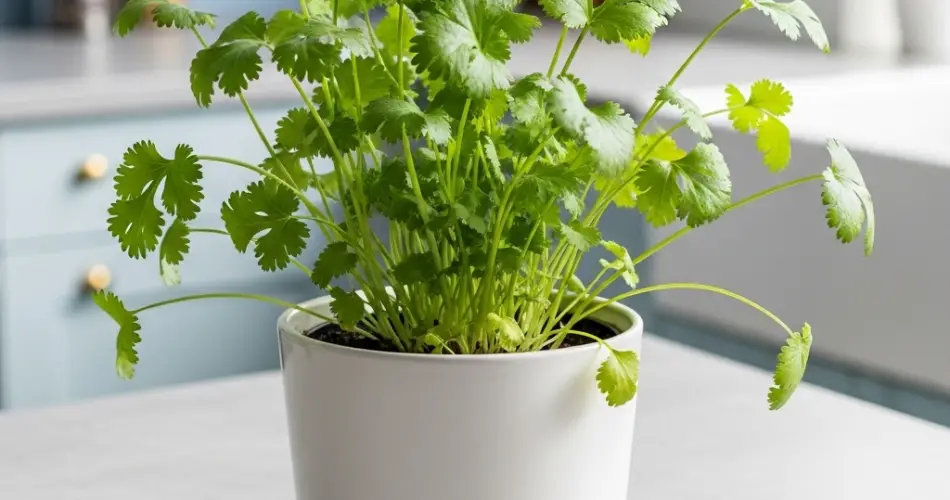
Cilantro (Coriandrum sativum), also known as coriander or Chinese parsley, is a fast-growing herb beloved for its bright, citrusy flavor. A staple in Latin American, Indian, and Southeast Asian cuisines, cilantro adds freshness to dishes like salsa, curries, salads, and soups. With the right care, you can grow this aromatic herb right in your kitchen window and enjoy a steady supply of leaves year-round.
Indoor cilantro is a great option for home cooks and herb gardeners who want easy access to fresh flavor without the need for an outdoor garden. Here’s how to successfully grow cilantro indoors from seed to harvest.
Why Grow Cilantro Indoors?
Growing cilantro indoors offers convenience, protection from pests, and a way to control growing conditions more closely. Cilantro grows quickly and doesn’t need much space, making it a perfect candidate for windowsill gardening.
Since cilantro has a short life cycle and can bolt (go to seed) quickly in warm weather, growing it indoors lets you regulate temperature and extend your harvest. Plus, having it close to your kitchen makes harvesting simple—just reach over and snip what you need.
Selecting a Container
Cilantro grows best in containers that are at least 8 inches deep to allow space for its taproot. Use a pot or window box with good drainage holes at the bottom. Because cilantro doesn’t like soggy soil, proper drainage is essential to prevent root rot.
Choose a rectangular planter for growing multiple plants at once or a standard round pot for a single plant. Place a tray underneath to catch excess water and keep your windowsill clean.
The Right Soil Mix
Cilantro prefers light, well-draining soil rich in organic matter. A quality potting mix for herbs or vegetables works well. Avoid heavy garden soil, which can compact and retain too much water.
For optimal drainage, consider mixing:
-
2 parts potting soil
-
1 part compost
-
1 part perlite or coarse sand
The soil should be slightly acidic to neutral, with a pH between 6.2 and 6.8.
Starting from Seeds
Cilantro doesn’t transplant well because of its long taproot, so it’s best to sow seeds directly into the container where it will grow.
To plant cilantro:
-
Lightly crush the seeds (they’re actually two seeds in one) to improve germination.
-
Sow seeds about 1/4 inch deep, spaced about 1–2 inches apart.
-
Cover lightly with soil and water gently.
-
Place the container in a sunny window.
Germination typically takes 7–10 days. Keep the soil consistently moist but not soggy during this period.
Light Requirements
Cilantro needs at least 4–6 hours of direct sunlight daily. A south- or west-facing window is ideal for giving the plant the bright light it needs to grow lush and full.
If natural sunlight is limited, you can supplement with a full-spectrum grow light. Position the light 6–12 inches above the plant and keep it on for 12–14 hours a day to mimic natural sunlight.
Watering and Feeding
Cilantro prefers evenly moist soil but does not like to sit in water. Water the plant when the top inch of soil feels dry to the touch. Make sure any excess water drains out of the container.
Feed your cilantro every 2–3 weeks with a balanced liquid fertilizer diluted to half strength. Avoid over-fertilizing, which can cause excessive leaf growth with reduced flavor.
Harvesting Cilantro
Cilantro is ready to harvest in 3–4 weeks after sowing. Begin by snipping the outer leaves once the plant is at least 4–6 inches tall. Use sharp scissors or pinch the stems just above a leaf node to encourage new growth.
Harvest frequently to keep the plant from bolting. If you notice flower stalks forming, snip them off immediately to extend the leaf-producing period.
Managing Bolting and Lifespan
Cilantro has a tendency to bolt quickly, especially in warm or dry conditions. To prevent early flowering:
-
Keep the plant in a cooler room (ideally below 75°F or 24°C).
-
Water regularly and avoid allowing the soil to dry out.
-
Harvest often to encourage leafy growth.
Even with the best care, cilantro’s life cycle is short. For a constant supply, sow new seeds every 2–3 weeks to maintain fresh plants in rotation.
Common Problems and Pests
Cilantro grown indoors is relatively trouble-free but can occasionally attract aphids or fungus gnats. Wipe leaves with a damp cloth or use a gentle soap spray if pests appear.
Yellowing leaves may indicate overwatering or poor drainage. Always check soil moisture before watering again, and ensure your pot allows for proper runoff.
Final Thoughts
Growing cilantro in your kitchen window is a rewarding and simple way to bring bold, fresh flavor to your dishes. With a sunny spot, good soil, and regular harvesting, cilantro will thrive and keep your cooking elevated year-round. Start a few pots in succession and you’ll never have to rely on store-bought bunches again.


