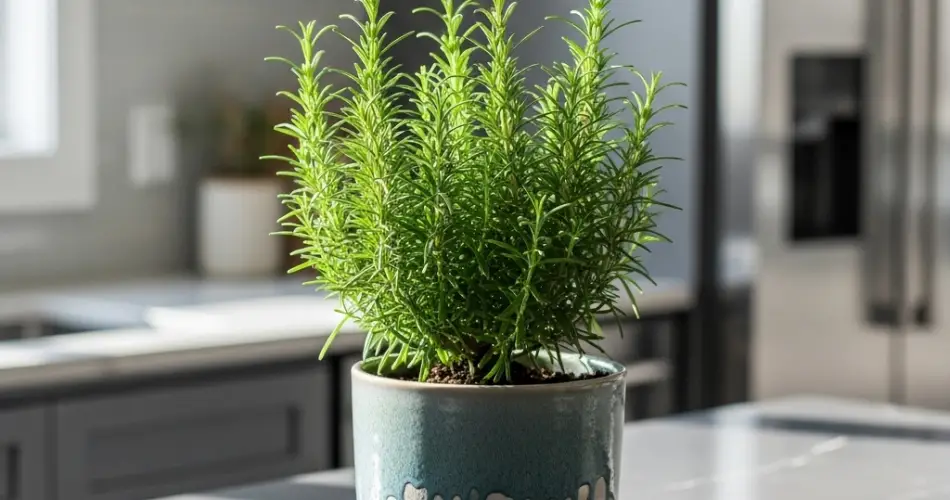
Rosemary is one of the most aromatic and versatile herbs, adding a bold, woodsy flavor to everything from roasted meats and vegetables to bread and soups. Growing rosemary in your kitchen or cooking space brings this flavorful herb right to your fingertips, making it easy to enhance your dishes with just a quick snip of fresh sprigs. The good news? Rosemary thrives indoors with the proper care, offering both culinary benefits and ornamental charm.
Here’s how to grow and maintain a healthy rosemary plant in your kitchen all year round.
Why Grow Rosemary Indoors?
Growing rosemary indoors ensures that you always have access to fresh herbs when cooking. It’s perfect for kitchens with limited outdoor space, urban apartments, or colder climates where rosemary may not survive the winter outside. Indoors, you can better control temperature, light, and water, creating an ideal environment for this Mediterranean native.
Rosemary also acts as a natural air freshener, thanks to its strong pine-like fragrance, and adds a decorative touch with its upright, needle-like foliage.
Choosing the Right Variety
Several types of rosemary are well-suited to indoor growing. Look for compact or slow-growing varieties, which are easier to manage in small spaces. Two popular choices include:
-
‘Blue Boy’ – A dwarf variety that stays compact and fits well on kitchen shelves or windowsills.
-
‘Tuscan Blue’ or ‘Arp’ – These are hardier and more aromatic, though they can grow larger, so regular pruning is essential.
Whichever type you choose, make sure it’s labeled as a culinary variety to ensure the best flavor for cooking.
Selecting the Ideal Container
Rosemary grows best in containers that allow good air circulation and drainage. Choose a pot that is at least 8 to 10 inches deep with several drainage holes at the bottom. Terra cotta pots are an excellent option, as they wick away excess moisture, helping to prevent root rot.
Make sure to place a saucer underneath to catch drainage water and protect your surfaces.
Soil and Planting Needs
Rosemary thrives in light, sandy, and well-draining soil. Use a potting mix formulated for cacti or succulents, or create your own blend with:
-
2 parts general potting mix
-
1 part coarse sand or perlite
Avoid soil that retains too much moisture, as rosemary is prone to root problems in wet conditions. If transplanting a nursery plant, gently loosen the root ball before planting to help it establish in the new container.
Light Requirements
Light is essential for rosemary’s health and flavor. Place your plant in the sunniest spot in your kitchen, preferably a south-facing window that receives at least 6 to 8 hours of direct light daily.
If your kitchen lacks enough natural sunlight, supplement with a full-spectrum grow light. Position it 6 to 12 inches above the plant and keep it on for 12–14 hours each day. Without adequate light, rosemary may grow leggy and lose its flavor intensity.
Watering and Humidity
Rosemary prefers to stay slightly dry and doesn’t tolerate soggy soil. Allow the top inch of soil to dry out before watering again. When you water, do so deeply until excess runs out of the drainage holes, then empty the saucer to avoid standing water.
This herb also likes moderate humidity but can struggle in overly damp conditions. Avoid misting the leaves. Instead, keep the plant in a room with good air circulation to mimic the breezy environment of its native habitat.
Feeding and Fertilizing
Rosemary is not a heavy feeder. Apply a balanced, water-soluble fertilizer once every 4 to 6 weeks during spring and summer. Avoid over-fertilizing, which can lead to weak growth and reduced aroma.
If you used compost in your soil mix, your rosemary may not need additional feeding during its early growth stages.
Pruning and Harvesting
Pruning is essential to keeping indoor rosemary healthy and well-shaped. Regularly trim back leggy stems to encourage bushier growth. Use clean scissors to snip sprigs for cooking, cutting just above a leaf node to promote branching.
Avoid cutting more than one-third of the plant at a time. Frequent light harvesting keeps the plant compact and prevents it from becoming woody.
Winter and Dormancy Tips
In colder months, rosemary may slow down or enter a dormant state. During this time, reduce watering and stop fertilizing. Ensure it still receives adequate light, and avoid placing it near cold drafts or heat sources.
If the plant becomes stressed indoors, consider giving it occasional outdoor time on mild days for fresh air and better light.
Common Issues and Solutions
-
Yellowing leaves: Usually caused by overwatering or poor drainage. Let the soil dry out between waterings.
-
Powdery mildew: Improve airflow around the plant and avoid wetting the foliage.
-
Pest problems: Rare indoors but may include spider mites or aphids. Treat with neem oil or a mild soap spray if needed.
Final Thoughts
Keeping rosemary handy in your cooking space is both practical and enjoyable. With its bold aroma, attractive foliage, and culinary usefulness, rosemary is one of the best herbs to grow indoors. Provide it with bright light, well-draining soil, and occasional trimming, and you’ll have a thriving rosemary plant ready to elevate your dishes at a moment’s notice.


