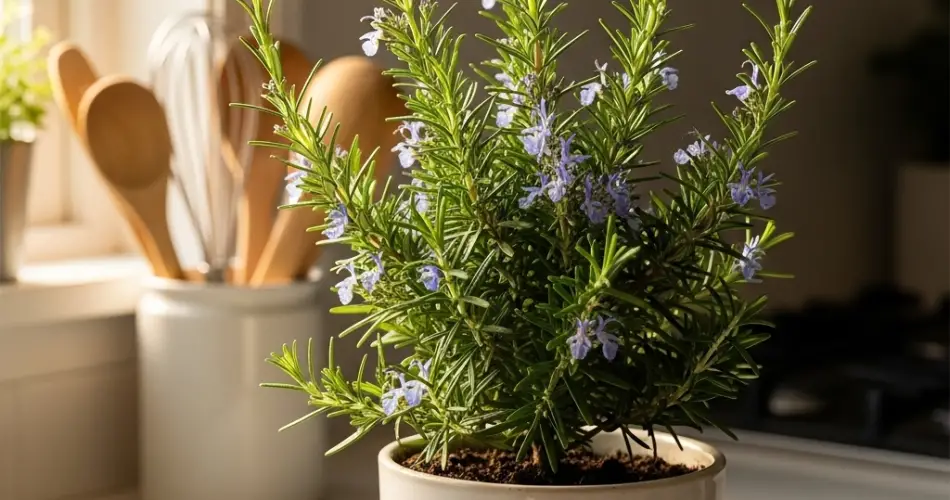
Rosemary (Salvia rosmarinus) is a highly aromatic and flavorful herb often used in Mediterranean cooking. Its woody stems and needle-like leaves are not only beautiful but also pack a punch in roasts, stews, breads, and marinades. While rosemary thrives outdoors in warm climates, it can also be grown successfully indoors on your kitchen counter—all year long.
With its evergreen foliage and pleasing fragrance, rosemary is a perfect addition to your indoor herb garden. Here’s how to grow and care for it indoors, right on your kitchen counter.
Why Grow Rosemary Indoors?
Rosemary is a low-maintenance herb with a long growing season and minimal needs. Growing it indoors gives you the advantage of fresh herbs year-round, even during the colder months. It also adds greenery and fragrance to your home, and having it close at hand makes cooking with rosemary more convenient.
Plus, container-growing helps control moisture and avoids outdoor challenges like pests and extreme weather. For those with limited or no outdoor space, growing rosemary indoors is an excellent solution.
Best Rosemary Varieties for Indoor Growing
While many types of rosemary can be grown indoors, compact or trailing varieties tend to do best in containers. Here are a few great options:
-
‘Blue Boy’ Rosemary: A dwarf variety perfect for small pots.
-
‘Tuscan Blue’ and ‘Blue Spires’: Upright varieties with strong flavor and aroma.
-
Prostrate Rosemary: A trailing type that can cascade over the edge of a pot.
Choose a variety based on your available space and intended culinary use.
Choosing a Container
Rosemary doesn’t need a huge pot to grow indoors, but it does need excellent drainage. Use a container that’s at least 8–12 inches in diameter with plenty of drainage holes at the bottom.
Terracotta or clay pots are ideal for rosemary because they allow moisture to evaporate and prevent root rot. Avoid plastic containers unless they have proper drainage and airflow.
Place a saucer or tray underneath to catch any excess water and protect your kitchen counter.
Ideal Soil for Rosemary
Rosemary thrives in sandy, well-draining soil. Use a high-quality potting mix, and amend it with coarse sand or perlite to improve drainage. Avoid rich, moisture-retaining soils, as they can cause water to accumulate and lead to root problems.
A suitable mix might include:
-
2 parts potting soil
-
1 part coarse sand or perlite
-
Optional: a pinch of lime to raise pH slightly (rosemary prefers a pH between 6.5 and 7.5)
Light and Temperature Requirements
Rosemary loves sunlight. Place your pot in a sunny spot where it will receive at least 6 to 8 hours of direct sunlight daily. A south-facing window is ideal. If sunlight is limited, supplement with an LED grow light for 12–14 hours per day.
Temperature-wise, rosemary prefers conditions between 60–75°F (15–24°C). Avoid placing it near cold drafts, heating vents, or fluctuating temperatures. It’s a Mediterranean herb, so it appreciates warmth and stable conditions.
Watering and Feeding
Rosemary prefers dry conditions over consistently moist soil. Water only when the top inch of soil feels dry to the touch. Be sure to let excess water drain out completely—never let the plant sit in water.
Overwatering is a common cause of failure with indoor rosemary, so when in doubt, err on the side of dryness.
Feed the plant every 4–6 weeks during the growing season with a diluted liquid fertilizer. Choose a balanced formula suitable for herbs or vegetables. Avoid overfeeding, which can cause leggy growth and reduce flavor.
Pruning and Harvesting
Regular pruning keeps rosemary compact and encourages bushier growth. Once the plant is about 6–8 inches tall, begin harvesting by snipping off small sprigs with clean scissors or garden shears. Always cut above a leaf node to promote branching.
Remove any dead or woody stems, and don’t be afraid to give the plant a light trim to maintain its shape. Frequent harvesting actually helps the plant grow more vigorously.
Common Problems and How to Avoid Them
-
Leggy growth: Usually caused by insufficient light. Move the plant closer to a sunny window or add a grow light.
-
Drooping leaves or yellowing: Often a sign of overwatering or poor drainage.
-
Powdery mildew: Can occur in high humidity. Provide good air circulation and avoid wetting the foliage.
Rosemary is generally pest-resistant indoors, though occasional spider mites or aphids can appear. Wipe the leaves with a damp cloth or use a gentle insecticidal soap if needed.
Rejuvenating and Repotting
As rosemary grows, it may become root-bound or woody. If growth slows or the roots start circling the inside of the pot, it’s time to repot into a slightly larger container with fresh soil. Repotting every 1–2 years will keep the plant healthy and productive.
You can also propagate new rosemary plants from stem cuttings placed in water or directly in soil.
Final Thoughts
Growing rosemary indoors on your kitchen counter is a simple way to bring fresh herbs into your everyday cooking. With just a sunny spot, well-drained soil, and occasional watering, rosemary will thrive and reward you with fragrant leaves year-round. Whether you’re seasoning roasted vegetables, flavoring bread, or making infused oils, your indoor rosemary plant will become an essential part of your kitchen routine.


