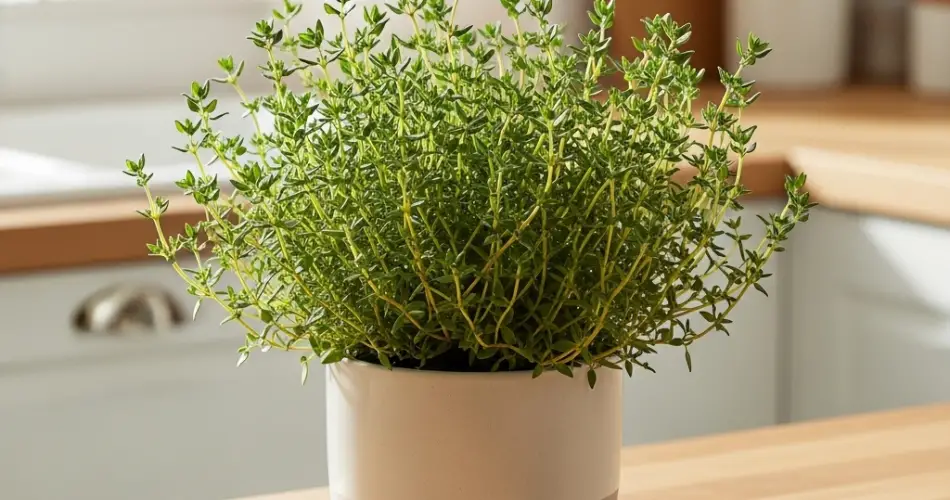
Thyme is a resilient, aromatic herb that adds depth and earthiness to a wide range of savory dishes—from roasted vegetables and meats to soups, stews, and sauces. Growing thyme indoors on your kitchen shelf is both practical and rewarding, giving you easy access to fresh sprigs whenever your cooking calls for it. This low-maintenance herb adapts well to containers and indoor environments, making it a top choice for home chefs and indoor gardeners alike.
Here’s everything you need to know to keep thyme thriving on your kitchen shelf year-round.
Why Grow Thyme Indoors?
Growing thyme indoors ensures you have a constant supply of this flavorful herb at your fingertips, regardless of the season. Unlike many other herbs, thyme is drought-tolerant, compact, and doesn’t require a lot of attention—making it ideal for busy households and small spaces. It also fills the kitchen with a pleasant, herbal fragrance and adds a touch of green to your indoor décor.
Choosing the Right Variety
There are many types of thyme, each with subtle differences in flavor and growth habit. For kitchen shelf growing, compact and culinary varieties are ideal. Some of the best choices include:
-
English Thyme (Thymus vulgaris) – Classic variety with strong flavor; perfect for everyday cooking.
-
Lemon Thyme – Offers a citrusy twist; excellent for chicken and seafood.
-
Creeping Thyme – Best for ornamental purposes but still edible with a mild taste.
Stick to culinary varieties if your primary goal is to harvest and use the leaves for cooking.
Selecting a Container
Thyme grows well in small to medium-sized pots. Choose a container that is at least 6 inches deep with good drainage holes at the bottom. Terra cotta pots are excellent because they allow air and moisture to move through the walls, preventing overwatering.
Make sure to place a saucer under the pot to catch any excess water and avoid staining your shelf or countertop.
Best Soil for Thyme
Thyme prefers light, sandy, well-draining soil. A standard potting mix formulated for herbs or vegetables will work well, especially if you mix in some perlite, coarse sand, or cactus soil to improve drainage.
Avoid heavy or moisture-retentive soils, as thyme’s roots are sensitive to soggy conditions. The soil should dry out slightly between waterings for optimal health.
Planting Thyme: Seeds, Cuttings, or Transplants
You can grow thyme from seed, but it’s a slow process and requires patience. Germination can take two to three weeks, and the seedlings grow slowly. For quicker results, it’s better to use nursery transplants or stem cuttings from an existing plant.
To propagate from a cutting, snip a 4–6 inch stem, remove the leaves from the bottom half, and place it in water or moist soil. Within a couple of weeks, roots should form, and you can plant it in a container.
Light Requirements
Thyme thrives in bright, direct sunlight. Place your container on a sunny windowsill or kitchen shelf that receives at least 6 hours of sunlight daily—south- or west-facing windows are ideal.
If your kitchen lacks natural sunlight, supplement with a full-spectrum LED grow light placed about 6 inches above the plant. Keep the light on for 12–14 hours a day to mimic natural daylight.
Watering and Humidity
Thyme is drought-tolerant and prefers to stay on the dry side. Water the plant only when the top inch of soil feels dry. Water thoroughly until it drains from the bottom, then allow the soil to dry out before watering again.
Indoor thyme does not require high humidity and actually prefers dry air. Avoid misting the plant, and don’t place it in overly humid areas like near the stove or sink.
Feeding and Fertilizing
Thyme doesn’t need much fertilizer. Over-fertilizing can lead to excessive growth and weaker flavor. Feed your plant with a diluted, balanced liquid fertilizer once a month during the growing season (spring to early autumn).
If you added compost or organic matter to the soil mix, additional feeding may not be necessary.
Pruning and Harvesting
Pruning regularly keeps thyme compact and productive. Once the plant reaches about 4–6 inches tall, you can begin harvesting. Snip sprigs just above a leaf node to encourage branching and new growth.
Avoid cutting more than one-third of the plant at once to prevent stress. Regular harvesting helps keep the plant from becoming woody and encourages fresh, tender shoots.
Remove any flowers as soon as they appear. Flowering signals the plant to slow leaf production and can reduce flavor.
Common Problems and Solutions
Thyme is hardy and generally pest-free indoors. However, you may occasionally spot spider mites or aphids. Use a gentle stream of water to wash them off or apply neem oil if necessary.
Root rot is the most common issue, usually caused by overwatering or poor drainage. Ensure your pot and soil allow water to flow freely, and let the soil dry between waterings.
Final Thoughts
Keeping thyme thriving on your kitchen shelf is easy with the right conditions—plenty of light, well-draining soil, and minimal watering. This small but mighty herb adds flavor, aroma, and greenery to your home while saving you frequent trips to the store. With regular pruning and a sunny spot, your indoor thyme plant will flourish and flavor your favorite recipes all year long.


