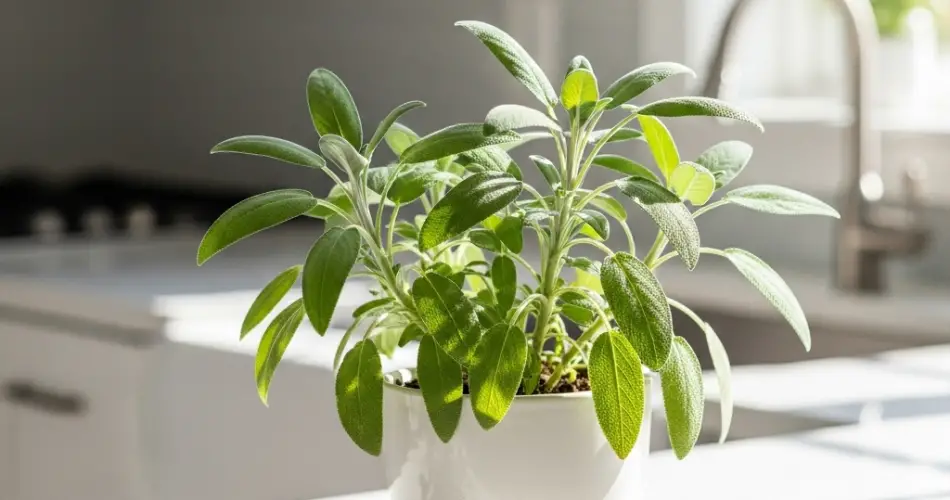
Sage is a fragrant, earthy herb that brings warmth and depth to a variety of dishes, especially roasts, stuffing, and herbal teas. While it’s often grown outdoors, sage also adapts well to indoor container gardening, making it a convenient addition to your kitchen herb collection. Its soft, gray-green leaves and woody stems not only look attractive but also offer a rich flavor that enhances both savory meals and calming infusions.
If you love cooking with fresh herbs or enjoy herbal tea, an indoor sage garden might be the perfect fit for your space. Here’s a complete guide to growing and maintaining sage indoors all year round.
Why Grow Sage Indoors?
Sage is a hardy, low-maintenance herb that thrives in containers. Growing it indoors ensures that you always have fresh leaves available for seasoning dishes or steeping in hot water for a soothing drink. Indoors, you can protect it from harsh weather, maintain ideal growing conditions, and harvest year-round.
In addition to its culinary uses, sage is known for its antimicrobial and anti-inflammatory properties, making it a great choice for home remedies and natural wellness routines.
Choosing the Right Variety
While there are many types of sage, culinary varieties are best suited for indoor growing. The most common options include:
-
Common Sage (Salvia officinalis): The classic variety used in cooking, with robust flavor and gray-green leaves.
-
Berggarten Sage: A compact cultivar with broad leaves and a strong aroma—perfect for pots.
-
Purple Sage: Offers ornamental appeal with colorful leaves while still being edible.
-
Golden Sage: Variegated leaves add a decorative touch to your indoor space.
Choose a variety based on your taste preference and available space. Compact types are especially ideal for windowsills and small kitchen corners.
Selecting a Container
Sage doesn’t require a deep container, but it does need good drainage to thrive. Choose a pot that’s at least 6 to 8 inches in diameter and has multiple drainage holes at the bottom. Terra cotta pots are excellent because they allow for better air circulation and wick away moisture from the soil.
Make sure to place a saucer underneath to catch any excess water and avoid staining your shelf or countertop.
Soil Requirements
Sage prefers well-draining, slightly sandy soil. Use a potting mix formulated for herbs or vegetables, and mix in some perlite or coarse sand to improve drainage.
Avoid heavy, moisture-retentive soils, which can lead to root rot. The ideal soil pH for sage ranges between 6.0 and 7.0, which is slightly acidic to neutral.
Light and Temperature Needs
Sage thrives in bright light. Place the plant near a sunny window that receives at least 6 to 8 hours of direct sunlight daily. A south-facing window is best. If you don’t have access to enough natural light, use a full-spectrum grow light placed about 6 inches above the plant, running it for 12 to 14 hours per day.
Indoor sage prefers temperatures between 60°F and 75°F (15°C to 24°C). Keep it away from drafts, radiators, and cold windowsills in winter.
Watering and Humidity
Sage is drought-tolerant and prefers its soil on the dry side. Water the plant only when the top inch of soil feels dry. When you do water, soak the soil thoroughly and let excess water drain out of the pot. Avoid letting the roots sit in water, as this encourages fungal problems.
Sage does not require high humidity, making it well-suited for most indoor environments. Good airflow around the plant will help keep the leaves healthy and prevent mildew.
Feeding and Fertilizing
Sage doesn’t need much fertilizer. Feed it with a diluted liquid fertilizer or organic compost tea once a month during the growing season (spring through early fall). Avoid overfeeding, as this can lead to leggy growth and reduced flavor.
If you start with nutrient-rich soil, you may not need to fertilize at all for the first couple of months.
Pruning and Harvesting
Regular pruning keeps sage healthy and encourages bushier growth. Once the plant reaches about 6 inches tall, you can begin harvesting the leaves. Use scissors to snip off sprigs, cutting just above a leaf pair to encourage branching.
Avoid harvesting more than one-third of the plant at a time. Removing flower buds as they appear can help extend the productive life of the plant, as flowering tends to reduce leaf quality.
Common Issues and Care Tips
-
Yellowing leaves often indicate overwatering or poor drainage.
-
Powdery mildew can occur if the plant is overcrowded or has poor air circulation. Space your plant well and avoid wetting the leaves when watering.
-
Aphids or spider mites may occasionally appear. Rinse them off with water or apply a mild neem oil spray if needed.
Regularly checking the plant and maintaining a clean environment will keep most issues at bay.
Final Thoughts
Growing sage indoors is a simple and rewarding way to keep this flavorful herb close at hand for your roasts, teas, and wellness recipes. With minimal space, adequate light, and a bit of attention, sage will thrive in your kitchen, providing fresh leaves year-round. Whether you’re seasoning poultry, brewing a calming tea, or simply enjoying its scent, a thriving indoor sage plant is a perfect companion for any home cook or herb lover.


