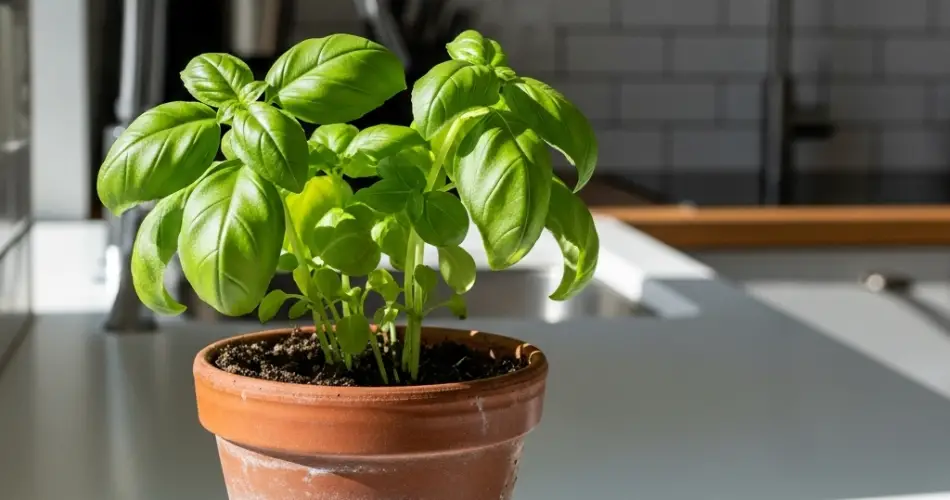
Few herbs are as versatile and well-loved in the kitchen as basil. Its fresh aroma and distinct flavor can transform everyday dishes into something special. From classic pesto and pasta sauces to fresh salads and refreshing drinks, basil has endless uses. The best part is that you don’t need a garden to grow it. Basil can thrive in small containers right in your kitchen, as long as you give it the right balance of light, water, and soil.
Growing basil indoors is not only convenient but also adds a fresh, green touch to your cooking space. With the right care, even the busiest home cooks can enjoy fresh basil year-round without relying on supermarket bundles.
Choosing the Right Container for Basil
Basil roots appreciate space and airflow, so choosing the correct container is crucial for healthy growth. A pot that is at least 6–8 inches deep provides enough room for roots to spread. Wider containers are even better if you want to grow several plants together.
Drainage is a non-negotiable requirement. Basil dislikes soggy soil, and waterlogged roots often lead to rot. Always select pots with drainage holes at the bottom. If you want to place basil on your kitchen counter where water drips could be an issue, use a decorative outer pot or a saucer to catch excess water.
You don’t need to buy expensive planters. Terra cotta pots, ceramic bowls with holes drilled in, or even upcycled containers can work well, as long as they provide drainage and enough space.
Soil and Fertilizer
Basil thrives in light, well-draining soil. A high-quality potting mix works best, especially one formulated for herbs or vegetables. Avoid using garden soil directly, as it can be too dense and may not allow proper root aeration.
To give your plants a strong start, mix in organic compost or a small amount of slow-release fertilizer. Basil is a leafy herb, so it benefits from nitrogen-rich nutrition. However, avoid over-fertilizing, as this can lead to lush leaves with weaker flavor. Feeding every three to four weeks with a diluted liquid fertilizer is usually enough for container-grown basil.
Light Requirements for Indoor Basil
Basil is a sun-loving herb, which means it requires plenty of light to thrive. Ideally, basil should receive at least six hours of direct sunlight each day. A sunny windowsill—especially one facing south or west—is the perfect location.
If your kitchen doesn’t get much natural light, artificial grow lights can fill the gap. LED grow lights are compact, energy-efficient, and easy to set on timers, ensuring your basil plants receive consistent lighting. Keep lights about 6–12 inches above the plants and run them for 12–14 hours daily for best results.
When basil doesn’t get enough light, it tends to grow leggy with fewer leaves, so ensuring proper lighting is one of the most important steps in keeping your plants healthy.
Watering Basil the Right Way
Watering basil can be tricky because both overwatering and underwatering cause problems. The key is consistency. Basil prefers soil that is moist but never waterlogged. Before watering, check the top inch of soil—if it feels dry, it’s time to water. If it’s still damp, wait another day.
It’s better to water basil thoroughly less often than to give it small amounts frequently. When you water, pour until you see a little draining from the bottom of the pot, which ensures the roots are fully hydrated. Morning watering is best because it allows plants to dry slightly during the day, preventing fungal issues.
Misting the leaves occasionally can also help in dry indoor environments, but avoid leaving them wet overnight to reduce the risk of disease.
Harvesting for Healthy Growth
One of the joys of growing basil indoors is being able to harvest it fresh for cooking. Once the plant has at least six leaves, you can begin snipping. Always pick from the top of the plant rather than the bottom. Pinching just above a pair of leaves encourages branching and bushier growth.
Regular harvesting not only provides you with flavorful leaves but also prevents the plant from becoming tall and spindly. If you notice flower buds forming, pinch them off right away. Flowering can change the flavor of the leaves, making them bitter.
Tips for Compact Kitchens
For those with very little space, creative container setups can make growing basil easier:
-
Hanging planters allow basil to thrive near a window without taking up counter space.
-
Mason jars can serve as simple pots, provided you add pebbles at the bottom for drainage.
-
Vertical herb gardens maximize wall space and keep fresh basil within easy reach.
-
Hydroponic kits are an excellent option for those who want a clean, soil-free growing method.
Final Thoughts
Basil is one of the easiest herbs to grow indoors, making it a kitchen-friendly choice for busy households. With the right balance of sunlight, watering, and container selection, you can enjoy a continuous harvest of fresh, aromatic leaves all year long. Whether you choose to grow it on a sunny windowsill or experiment with vertical planters, basil will reward your efforts with flavor, fragrance, and beauty.


