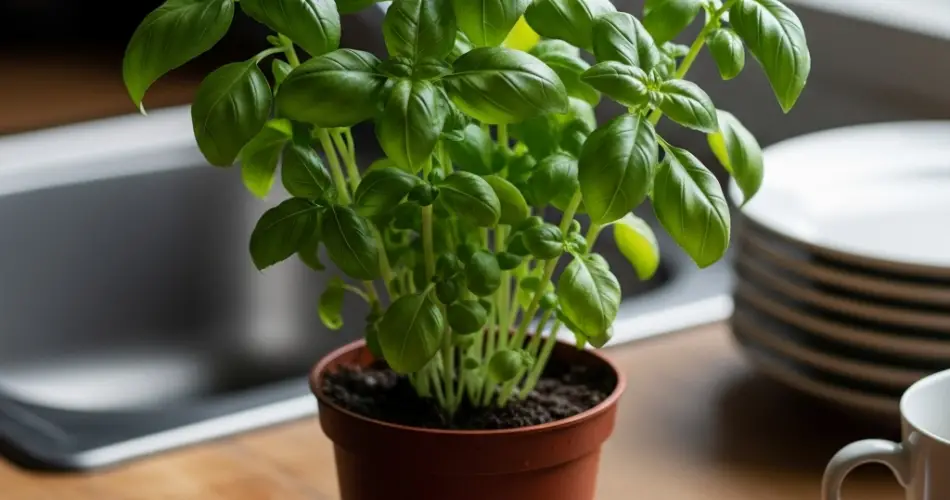
Few culinary herbs are as versatile and aromatic as basil. From enhancing pasta sauces and pizzas to brightening salads and soups, basil adds freshness and flavor that is hard to beat. The best part is that you don’t need a backyard or a large outdoor garden to enjoy it. With a little care, basil grows beautifully indoors, providing you with a steady supply of leaves that can be harvested right while you cook.
Choosing the Right Spot Indoors
Light is the most important factor for growing basil successfully indoors. Basil thrives on direct sunlight, needing at least 6–8 hours of it every day. The best place for your basil plant is a sunny windowsill that faces south or west. If your home does not get enough natural light, you can use fluorescent or LED grow lights. Position them about 6–12 inches above your plants and keep them on for 12–14 hours per day. Without sufficient light, basil tends to grow tall and spindly, producing fewer flavorful leaves.
The Ideal Container and Soil
Basil’s roots need good air circulation and drainage. Choose pots that are at least 6–8 inches deep with holes at the bottom to prevent waterlogging. For soil, use a high-quality potting mix rather than garden soil. Indoor potting soil is lighter, drains well, and helps prevent root rot. Adding compost or an organic fertilizer into the mix ensures your plant gets the nutrients it needs. If you want multiple plants, you can use a larger pot or grow basil in several small containers for convenience.
Watering Properly
One of the common mistakes when growing basil indoors is improper watering. Basil prefers evenly moist soil but does not tolerate sitting in water. To avoid problems, water the plant when the top inch of soil feels dry to the touch. Pour water slowly until it drains from the bottom of the pot, and always empty excess water from saucers. Overwatering causes yellowing leaves, while underwatering leads to drooping or crispy foliage. Keeping the soil slightly moist but never soggy is the best approach.
Temperature and Humidity Needs
Basil is native to warm regions and flourishes in temperatures between 65–80°F (18–27°C). Keep your basil away from cold drafts, air conditioning vents, and heat sources that can dry out the air. Basil also prefers moderate humidity. If your indoor air is too dry, especially during winter, mist the plant lightly or place a shallow tray of water near the pot to create a more comfortable environment.
Feeding for Strong Growth
Like most container plants, basil benefits from regular feeding. Every three to four weeks, use a balanced, water-soluble fertilizer. Organic options like fish emulsion or liquid seaweed are excellent for basil and support healthy, flavorful leaves. Avoid over-fertilizing, as too much nitrogen can make basil leaves grow large but less aromatic. The goal is balanced nutrition that encourages both size and flavor.
Pruning for Bushier Plants
The secret to abundant basil is frequent pruning. Start trimming when the plant reaches about 6 inches in height. Use clean scissors or pinch with your fingers just above a set of leaves. This encourages side branches to grow, giving you a fuller plant. Harvesting regularly also prevents the plant from flowering too early. Once basil flowers, leaf production slows down, and the taste becomes less sweet. By pruning correctly, you not only enjoy more leaves but also extend the life of your plant.
Harvesting While You Cook
One of the greatest joys of growing basil indoors is having fresh leaves available as you cook. Simply snip off what you need right before adding it to your dish. For the best results, harvest in the morning when the oils in the leaves are most concentrated. Avoid taking more than one-third of the plant at a time to allow it to keep growing strong. For quick access in the kitchen, consider placing your basil pot near your cooking area, as long as it still gets proper light.
Preserving Extra Basil
If your plant produces more than you can use at once, there are several ways to preserve basil. Fresh leaves can be stored in a glass of water on the counter for a few days or wrapped in a damp paper towel inside the refrigerator. For long-term storage, basil can be frozen or dried. Freezing preserves more of the herb’s flavor and color, making it perfect for soups and sauces later.
Common Indoor Challenges
Indoor basil is relatively easy to care for, but problems can occur. Leggy growth usually means not enough light. Yellowing leaves often signal overwatering, while pale leaves can indicate nutrient deficiencies. Pests like aphids or spider mites may appear occasionally, but rinsing leaves with water or using a mild insecticidal soap usually solves the issue quickly.
Enjoy Fresh Basil All Year
Growing basil indoors means you never have to run to the store when a recipe calls for fresh herbs. With the right care—good light, proper watering, regular pruning, and occasional feeding—basil will thrive in pots and reward you with aromatic leaves year-round. Imagine preparing pasta, pizza, or fresh salads and being able to snip basil leaves directly from your plant. Indoor gardening not only adds flavor to your meals but also brings a touch of greenery and life into your home.
By following these simple indoor gardening tips, you can enjoy harvesting basil right as you cook, turning everyday meals into something extraordinary.


