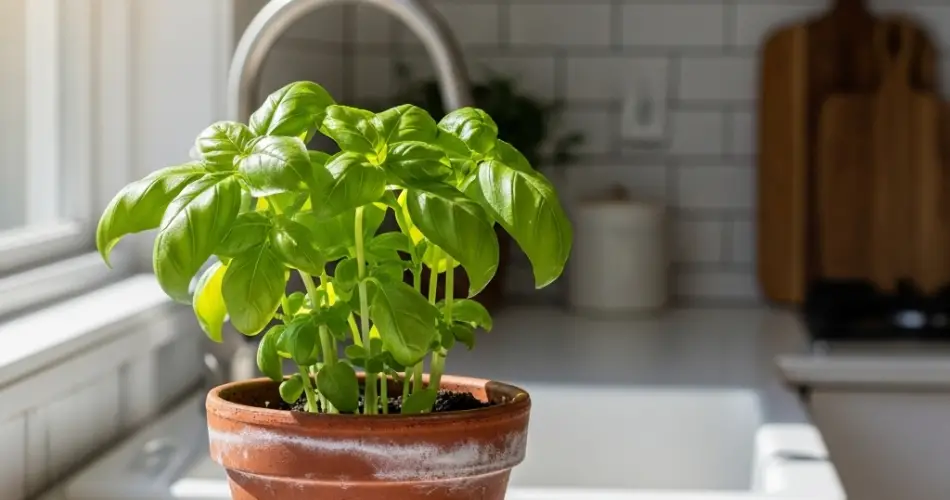
Basil is one of the most beloved culinary herbs, prized for its fresh aroma and ability to elevate a wide range of dishes. While many people associate basil with summer gardens, it is entirely possible to grow lush, healthy basil plants indoors all year round. With the right setup, you can enjoy a steady supply of fresh leaves without needing a backyard or outdoor garden space.
Choosing the Right Variety
When growing basil indoors, variety matters. Sweet basil is the most popular option for cooking, especially in Italian dishes, but there are many other types worth considering. Thai basil has a slight licorice flavor, lemon basil offers a citrusy twist, and purple basil brings a decorative element along with its bold taste. If your goal is everyday cooking, stick with sweet basil, but if you enjoy experimenting in the kitchen, try planting a few different varieties in separate pots.
Light Requirements
Basil thrives on sunlight, needing at least 6–8 hours of direct light daily. Indoors, a sunny windowsill facing south or west is ideal. If natural light is limited, grow lights can be an excellent supplement. Place fluorescent or LED grow lights about 6–12 inches above your basil plants, keeping them on for 12–14 hours a day to mimic the intensity of summer sunshine. Without sufficient light, basil tends to grow thin, leggy stems and produces fewer flavorful leaves.
Potting and Soil
Good drainage is essential for healthy basil roots. Choose pots with drainage holes and use a lightweight, well-aerated potting mix. A soil blend enriched with organic matter works best, as basil appreciates nutrient-rich conditions. Avoid heavy garden soil that may compact indoors, limiting root growth. A 6–8 inch deep pot is usually sufficient for a single basil plant, but larger containers can support multiple plants if you want a more abundant harvest.
Watering Needs
Basil enjoys consistent moisture but does not tolerate soggy roots. Water your plant when the top inch of soil feels dry to the touch. Always water deeply until liquid begins draining from the bottom of the pot, then allow the excess to escape rather than letting the pot sit in standing water. Yellowing leaves often indicate overwatering, while drooping leaves may signal dryness. Finding the right balance is key to keeping your indoor basil thriving.
Temperature and Humidity
Being a warm-weather herb, basil thrives in temperatures between 65–80°F (18–27°C). Avoid placing your pots near cold drafts, air conditioners, or heating vents, as sudden temperature changes can stress the plant. Basil also appreciates moderate humidity. If your indoor air is dry, especially in winter, consider placing a small tray of water near the plants or misting them occasionally.
Fertilizing Indoor Basil
Indoor basil benefits from regular feeding since nutrients in container soil get depleted quickly. Use a balanced, water-soluble fertilizer every 3–4 weeks to support strong growth and vibrant leaves. If you prefer organic methods, liquid seaweed or fish emulsion are excellent choices. Be careful not to over-fertilize, as too much nitrogen can lead to excessive leaf growth with weaker flavor.
Pruning for Abundant Harvests
One of the secrets to long-lasting indoor basil is regular pruning. Instead of waiting for the plant to get large before harvesting, start pinching back leaves once it reaches about 6 inches tall. Always cut just above a leaf node, encouraging the plant to branch out and produce more stems. Frequent trimming keeps the plant bushy and prevents it from flowering too early. Once basil begins to flower, leaf production slows, and the flavor can become bitter.
Harvesting and Using Basil
To harvest, simply pinch or snip off the leaves you need, starting with the largest ones. Avoid removing more than one-third of the plant at a time, so it continues to grow vigorously. Fresh basil leaves are best used immediately, but they can also be stored in a glass of water on the counter for a few days, much like cut flowers. For longer preservation, consider drying or freezing extra leaves to use in sauces, soups, or herbal teas.
Troubleshooting Common Issues
Like any indoor plant, basil can face challenges. If leaves turn pale or growth slows, check for insufficient light or poor soil fertility. Wilting despite moist soil may indicate root rot from poor drainage. Indoor pests like aphids or spider mites can sometimes appear, but they can usually be managed by rinsing the leaves with water or using a mild insecticidal soap.
Enjoying Fresh Basil Year-Round
With proper care, basil can be a rewarding addition to your indoor garden. Whether you have a sunny kitchen window or rely on grow lights, this aromatic herb adapts well to small spaces and provides a constant source of flavor for your cooking. From fresh pesto to garnishing salads, pasta, and soups, having basil within arm’s reach ensures that your meals are always infused with garden-fresh taste.
By dedicating a little time to light, water, and pruning, you can enjoy thriving basil plants without ever needing a backyard. It’s a simple, satisfying way to bring greenery into your home while keeping your dishes full of fresh, aromatic leaves.


