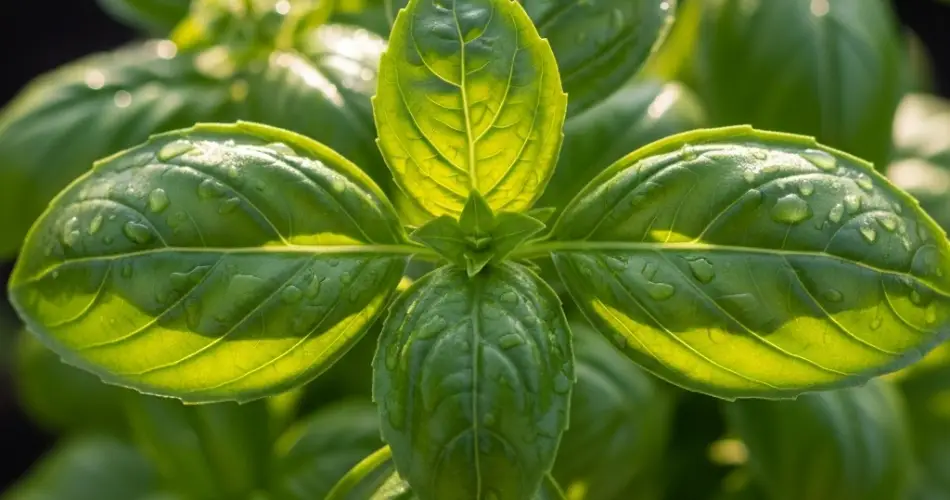
Fresh herbs have a way of transforming everyday meals into something extraordinary. Among them, basil stands out as a kitchen essential, beloved for its bright, peppery aroma and versatility in cooking. From pesto and pasta sauces to fresh salads and garnishes, this herb is a culinary powerhouse. The good news is that you don’t need a large garden or outdoor space to enjoy a steady supply of basil. With a few simple strategies, even the busiest kitchens can cultivate lush, fragrant basil plants in compact spaces.
Why Basil Is Perfect for Small Spaces
Basil adapts well to container gardening, making it an ideal choice for those with limited room. Whether you live in an apartment, a dormitory, or a home with only a tiny balcony, basil thrives in pots, windowsills, or vertical gardens. The plant doesn’t require elaborate care routines, which makes it especially appealing for busy households. With just enough light, good soil, and regular watering, you’ll have a fresh supply ready at hand.
Choosing the Right Basil Variety
There are many types of basil, each with its own unique flavor and growth pattern. For compact kitchens, consider smaller varieties that do not spread excessively:
-
Genovese Basil – Classic Italian variety, perfect for pesto.
-
Greek Basil – A compact, bushy type with tiny leaves, well-suited for pots.
-
Purple Basil – Adds a splash of color and a slightly spicier flavor.
-
Lemon Basil – Offers a citrus note, great for fish and summer salads.
Choosing a type that matches your cooking style ensures you’ll use it often and keep the plants pruned and productive.
Containers and Soil Setup
For basil in compact kitchens, containers play a crucial role. Small pots, wide shallow containers, or even recycled jars can work. Make sure each pot has drainage holes to prevent waterlogging, as basil roots are sensitive to excess moisture.
When it comes to soil, basil prefers a light, well-draining potting mix. A combination of standard potting soil with added perlite or coconut coir improves aeration and helps roots develop healthily. If you want to boost growth, mix in some compost or organic fertilizer at planting time.
Light Requirements
Basil loves sunlight, so choose a spot where the plant can soak in at least 6 hours of direct light daily. A south-facing windowsill is ideal. If your kitchen doesn’t get enough natural light, consider a small grow light. LED grow lamps are energy-efficient and can be set on timers, ensuring your basil plants thrive even in low-light homes.
Watering and Care
Basil thrives with consistent watering, but it’s important not to overdo it. The soil should feel slightly damp but never soggy. Stick your finger into the top inch of soil—if it feels dry, it’s time to water. Morning watering is best, allowing the plant to absorb moisture throughout the day.
Pinching back the tips of basil regularly encourages bushier growth. If left unchecked, basil can become leggy and less productive. Simply snip the top leaves just above a pair of leaf nodes, and new shoots will emerge.
Harvesting for Flavor and Freshness
The best part of growing basil is harvesting it fresh. Start snipping leaves once the plant has at least six to eight strong leaves. Always pick from the top rather than the bottom, as this stimulates growth and keeps the plant lush. Avoid letting your basil flower, since flowering can make the leaves taste bitter. If flower buds appear, pinch them off immediately to maintain a rich flavor.
Compact Gardening Ideas
For kitchens with extremely limited space, creative setups can make all the difference:
-
Hanging Pots: Suspend small planters near windows for both decoration and utility.
-
Mason Jar Basil: Grow a single basil plant in a jar on your countertop for a minimalist touch.
-
Vertical Gardens: Stack planters or use wall-mounted racks to create a living herb wall.
-
Hydroponic Systems: If you’re tech-savvy, compact hydroponic kits provide soil-free basil that grows quickly and cleanly indoors.
Keeping Basil Productive Year-Round
With proper care, basil can last several months indoors. However, basil is naturally a warm-weather annual, so it will eventually decline. To keep your kitchen stocked year-round, consider succession planting—start a new pot every few weeks so that as one plant slows down, another is ready to harvest. Alternatively, propagate basil by rooting cuttings in water and replanting them in fresh soil.
Final Thoughts
Compact basil gardening is a simple yet rewarding way to bring fresh, aromatic flavor into your cooking space. Even with a hectic schedule, you can enjoy the luxury of snipping basil leaves straight from a pot while preparing dinner. With just a little sunlight, water, and attention, your kitchen can become a miniature herb garden, offering both practicality and beauty. Whether you choose a classic Genovese or a zesty lemon basil, the freshness will elevate your meals and give your home a touch of greenery.


