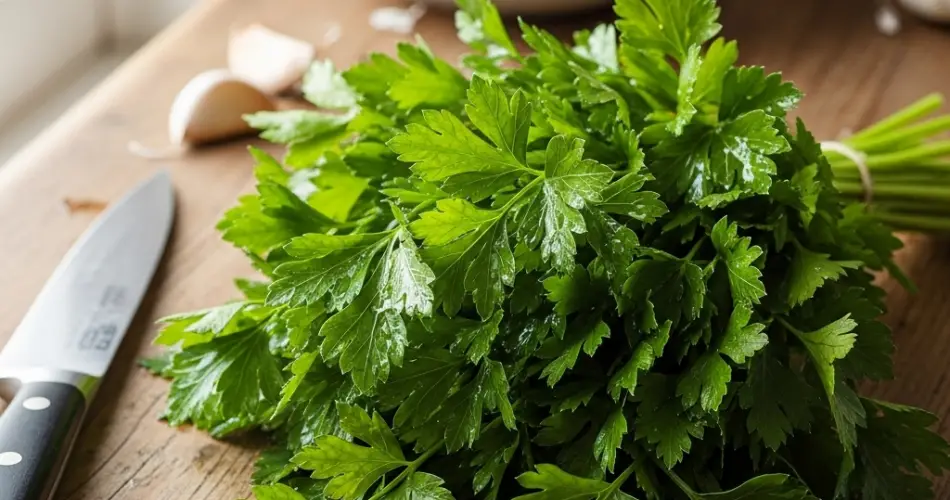
Parsley is one of the most versatile herbs you can grow at home. Whether sprinkled fresh over a dish, blended into sauces, or used as a garnish, parsley adds freshness and flavor that elevates everyday cooking. Growing parsley indoors, right on your kitchen counter, ensures that you always have a supply of this vibrant herb within arm’s reach. With a little attention to light, water, and soil, parsley can thrive indoors year-round.
This guide explores simple indoor gardening tips to help you grow lush, healthy parsley on your kitchen counter.
Choosing the Right Variety
Parsley comes in two main types:
-
Curly Leaf Parsley (Petroselinum crispum) – Recognized for its tightly ruffled leaves, it is often used for garnishing and adds a mild, fresh flavor.
-
Flat-Leaf Parsley (Italian Parsley) – Known for its broad leaves and stronger, more robust flavor, it is a favorite for cooking.
Both varieties grow well indoors, so the choice depends on your culinary preferences. Many home gardeners even grow both to enjoy the benefits of each.
Starting Parsley Indoors
Parsley can be grown either from seeds or young nursery plants. Growing from seed takes patience, as germination can be slow—sometimes two to four weeks. If you prefer a faster start, purchasing seedlings is a convenient option.
If you’re starting from seed, soak them in warm water overnight before planting. This softens the seed coat and encourages quicker sprouting. Plant the seeds about ¼ inch deep in a small pot or seed tray filled with well-draining potting mix. Keep the soil consistently moist during germination.
Best Container and Soil
When growing parsley on your kitchen counter, choose a container that is at least 6 to 8 inches deep. Parsley develops long taproots, so providing enough depth helps the plant grow strong and healthy. Ensure the container has drainage holes to prevent waterlogging.
For soil, use a lightweight potting mix enriched with organic matter. Parsley prefers soil that retains moisture but also drains well. Avoid using garden soil alone, as it can become compacted and limit root growth.
Light Requirements
Parsley needs plenty of light to grow lush leaves. Ideally, place your pot on a south- or west-facing windowsill where it can receive at least 6 hours of sunlight per day. If your kitchen doesn’t get enough natural light, consider using a small grow light. Position the light about 6–8 inches above the plant and keep it on for 10–12 hours daily.
Watering Parsley Indoors
Parsley enjoys evenly moist soil but not soggy conditions. Water the plant whenever the top inch of soil feels dry to the touch. A good routine is to check the soil every two to three days.
To prevent root rot, empty any excess water from saucers beneath the pot. Misting the leaves occasionally can also help maintain humidity, especially in dry indoor environments.
Feeding for Healthy Growth
Parsley benefits from regular feeding to stay vibrant and productive. Use a balanced liquid fertilizer every four to six weeks during active growth. Alternatively, mix in a slow-release organic fertilizer at the beginning of the growing season. Be careful not to over-fertilize, as this can lead to excessive leaf growth with reduced flavor.
Harvesting Parsley
One of the pleasures of having parsley on your kitchen counter is being able to snip fresh leaves whenever you cook. For the best results:
-
Start harvesting once the plant has at least three clusters of leaves.
-
Always cut the outer, mature stems first, leaving the inner ones to continue growing.
-
Use clean scissors or shears to snip stems close to the soil.
Regular harvesting not only gives you fresh herbs but also encourages the plant to produce new growth.
Common Problems and Solutions
Even indoors, parsley can encounter a few challenges:
-
Yellowing Leaves: Often caused by overwatering or poor drainage. Ensure your pot allows excess water to escape.
-
Slow Growth: This may be due to insufficient light. Move the plant closer to a window or use a grow light.
-
Pests: Indoor parsley can sometimes attract aphids or spider mites. If this happens, rinse the leaves with a gentle stream of water or wipe them with a cloth dipped in soapy water.
Companion Planting Indoors
If you enjoy growing multiple herbs on your kitchen counter, parsley pairs well with herbs like basil, chives, and thyme. Grouping herbs with similar light and water needs not only saves space but also creates a beautiful mini-garden indoors.
Final Thoughts
Growing parsley on your kitchen counter is a simple yet rewarding way to bring fresh flavor into your cooking. With the right pot, soil, and care, this versatile herb will flourish year-round, offering a continuous supply of fragrant green leaves. By harvesting regularly and keeping up with light and watering needs, you’ll enjoy both the practicality and beauty of having parsley right where you cook.
Whether you choose curly or flat-leaf parsley, this little kitchen companion is sure to become one of your most useful and appreciated indoor plants.


