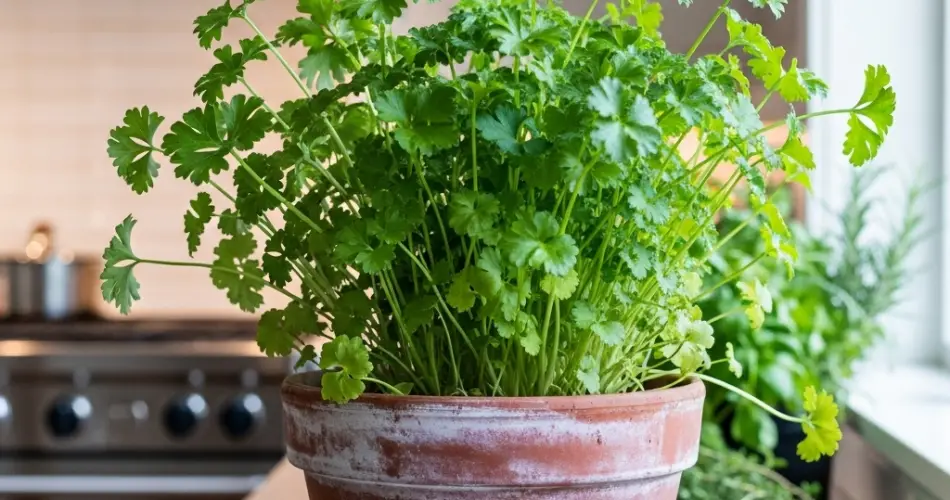
Parsley is far more than a garnish sprinkled over dishes for color. This versatile herb has been a kitchen essential for centuries, prized for its fresh, slightly peppery flavor and nutritional benefits. Whether it’s used to brighten salads, enrich soups, or add depth to sauces, parsley deserves a permanent place in your kitchen. The best part? With just a little care, you can grow parsley year-round right in your home, ensuring a constant supply of fresh leaves within reach.
Why Grow Parsley Indoors?
Many herbs can be fussy about conditions, but parsley adapts well to indoor environments. It doesn’t require a huge amount of space, grows happily in containers, and thrives in cooler conditions compared to other herbs. Having parsley on hand eliminates the need for last-minute trips to the store or reliance on wilted bunches that spoil quickly in the refrigerator. Instead, you’ll enjoy harvesting vibrant green leaves whenever your recipes call for them.
Growing parsley indoors also ensures sustainability and freshness. Unlike dried parsley, which loses much of its flavor, freshly cut leaves provide the true aromatic punch this herb is known for.
Choosing the Right Variety
There are two main types of parsley: curly leaf and flat leaf.
-
Curly Leaf Parsley (Petroselinum crispum): Known for its ruffled, decorative appearance, it’s commonly used as a garnish but also works well in cooking.
-
Flat Leaf Parsley (Italian Parsley): Favored by chefs for its stronger flavor and ease of chopping, this variety is perfect for everyday cooking.
Both grow well indoors, so you can choose one based on preference—or plant both for variety.
Containers and Soil
Parsley has a taproot, so it benefits from a container that allows for root depth. A pot at least 8–10 inches deep is ideal. Make sure the container has drainage holes to prevent water from pooling at the bottom.
For soil, use a high-quality potting mix that drains well but retains some moisture. Mixing in a little compost or organic matter helps provide essential nutrients for healthy growth.
Light Requirements
Parsley grows best in bright light, ideally six to eight hours of sunlight per day. Place your container on a sunny kitchen windowsill facing south or west. If natural light is limited, especially in winter, consider supplementing with a grow light. Proper light exposure ensures parsley remains lush and full rather than spindly.
Watering and Feeding
Parsley appreciates consistent moisture but not soggy soil. Water when the top inch of soil feels dry to the touch, allowing excess water to drain away. A layer of mulch on the soil surface helps retain moisture and keeps the roots cool.
Feeding every four to six weeks with a balanced liquid fertilizer promotes healthy, vibrant leaves. Organic options such as compost tea or diluted fish emulsion work well for potted parsley.
Harvesting for Freshness
The key to a thriving parsley plant is regular harvesting. Begin picking once the plant has at least three sets of leaves. Always cut stems from the outer portions of the plant, leaving the inner stems to continue growing. This method encourages steady production throughout the year.
Parsley leaves can be used immediately, chopped fresh into dishes, or dried for later use. To dry, hang small bunches upside down in a well-ventilated space, then store the leaves in an airtight container once crisp. You can also freeze parsley in ice cube trays with water or olive oil for convenient cooking portions.
Year-Round Care Tips
Parsley is a biennial plant, meaning it naturally produces leaves the first year and flowers the second. Indoors, you can extend its productivity by regularly trimming and preventing it from bolting (flowering too soon). If it does flower, consider saving the seeds to start new plants.
To ensure a continuous supply, start new parsley seeds every few months. Germination can be slow, often taking up to three weeks, but soaking seeds overnight before planting helps speed the process. With a staggered planting schedule, you’ll always have fresh parsley ready to harvest.
Culinary Uses
Parsley is one of the most versatile herbs in the kitchen. Add it to soups, stews, and pasta dishes for brightness. Mix it into sauces like chimichurri or gremolata, or combine it with garlic and olive oil for a quick herb dressing. Fresh parsley also complements roasted meats, fish, and vegetables beautifully.
Flat leaf parsley in particular shines in fresh salads like tabbouleh, where its flavor plays a central role. Curly parsley, with its decorative look, is perfect for garnishing platters and adding a fresh crunch to dishes.
Health Benefits
In addition to its flavor, parsley brings valuable nutrients to your diet. It’s a rich source of vitamins A, C, and K, along with folate and iron. The herb also contains antioxidants and compounds that support digestion and overall wellness. Growing your own ensures that you can enjoy the health benefits of parsley at its freshest.
Final Thoughts
Parsley is more than a garnish—it’s a year-round kitchen essential. By growing it indoors in containers, you’ll always have access to fresh, flavorful leaves that elevate everyday cooking. With minimal care, parsley will thrive on your windowsill or countertop, offering beauty, nutrition, and convenience in equal measure.
Whether you’re sprinkling it into soups, blending it into sauces, or adding a pop of green to your favorite meal, having parsley within arm’s reach transforms cooking into a fresher, more flavorful experience.


