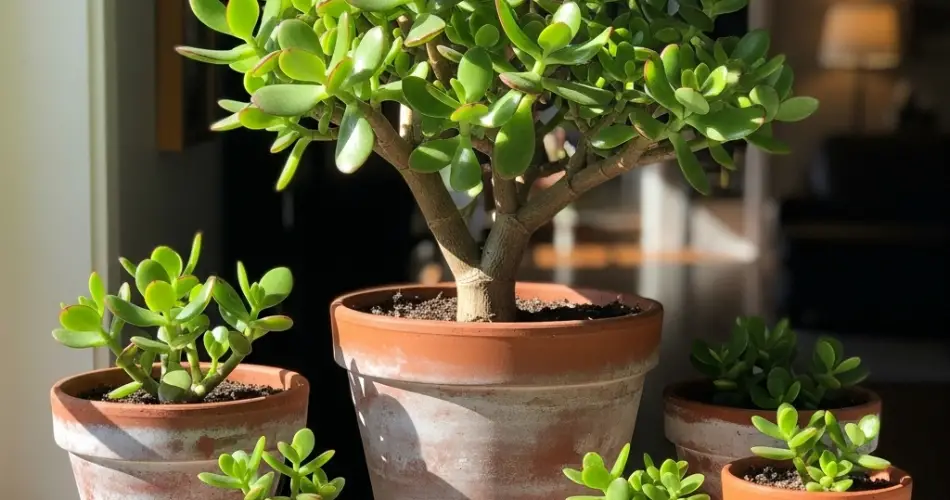
The jade plant (Crassula ovata), also known as the money plant or lucky plant, is a long-living succulent beloved for its fleshy leaves, tree-like appearance, and easy-going nature. With the right container and care, jade plants can flourish for years indoors or on a sunny balcony. Choosing the proper pot and potting conditions is essential not only for healthy growth but also for maintaining the plant’s structure and vibrant green leaves.
Here’s how to select the best container and care routine to keep your jade plant strong, healthy, and thriving.
Why Container Choice Matters
Jade plants are succulents, meaning they store water in their leaves and stems. This adaptation allows them to tolerate dry conditions, but it also makes them sensitive to overwatering. The right container will support this moisture-balancing act by allowing excess water to drain freely and preventing root rot.
The container also helps stabilize the plant. As jade plants grow, their thick stems and heavy leaves can make them top-heavy. A sturdy, well-balanced pot can help keep the plant upright and anchored.
Best Container Types for Jade Plants
When choosing a pot for your jade plant, prioritize good drainage above all else. The container must have at least one drainage hole at the bottom. This allows excess water to escape rather than collect around the roots, which could lead to rot and fungal problems.
Terracotta pots are an excellent choice. Their porous surface allows moisture to evaporate more quickly, reducing the risk of overwatering. They’re also heavy enough to support the jade plant’s weight as it grows. Ceramic pots with drainage holes are another great option, combining durability with decorative appeal.
Avoid glass containers or pots without drainage holes unless you use them strictly as decorative outer pots, with the actual plant sitting in a removable plastic nursery pot inside.
Proper Pot Size
Jade plants prefer to be slightly root-bound, so avoid choosing a container that’s too large. A snug fit encourages the plant to focus on leaf and stem growth rather than stretching its roots. As a general rule, choose a pot that’s just one to two inches wider than the plant’s current root ball.
Repotting is usually only needed every 2 to 3 years or when the plant becomes clearly root-bound or top-heavy. During repotting, use the opportunity to refresh the soil and inspect the roots for any signs of rot or disease.
Ideal Potting Mix
Jade plants need well-draining soil to stay healthy. Standard potting soil tends to retain too much moisture, so it’s best to amend it or use a mix designed specifically for succulents or cacti.
You can create your own mix using:
-
2 parts cactus or succulent soil mix
-
1 part coarse sand or perlite
-
Optional: a handful of pumice or crushed granite for improved aeration
This blend promotes fast drainage and reduces the risk of soggy roots while still holding just enough moisture to support growth.
Planting and Watering Tips
When potting your jade plant:
-
Fill the bottom of the container with a layer of soil mix.
-
Remove the plant from its previous pot and loosen any tangled roots.
-
Center the plant in the new container, with the root ball sitting about an inch below the rim.
-
Fill in the sides with soil, pressing lightly to secure the plant.
-
Water lightly and allow excess water to drain completely.
Allow the soil to dry out completely between waterings. In general, jade plants need watering every 2 to 3 weeks during the growing season (spring and summer) and even less frequently in winter. Overwatering is the most common mistake with jade plants.
Sunlight and Placement
Jade plants thrive in bright, indirect light but can also handle some direct sun. A sunny windowsill with morning light or a bright corner with filtered light is ideal. In low-light environments, growth may slow, and leaves may lose their rich green color.
Rotate the pot every couple of weeks to encourage even growth and prevent the plant from leaning toward the light source.
Supporting Healthy Growth
Jade plants require very little maintenance beyond watering and light. Fertilize once a month during spring and summer using a diluted, balanced liquid fertilizer. Avoid feeding in the fall and winter months when the plant’s growth naturally slows down.
Pruning can help shape your jade plant into a compact, tree-like form. Trim leggy stems just above a leaf node, and new branches will emerge in time. Remove any yellowing or shriveled leaves to keep the plant looking clean and healthy.
Conclusion
Keeping your jade plant thriving starts with choosing the right container. A well-draining pot, the right soil, and smart watering practices create the foundation for long-term success. Whether it sits on a windowsill, office desk, or patio table, a properly potted jade plant will reward you with its resilience, beauty, and charm for years to come.


