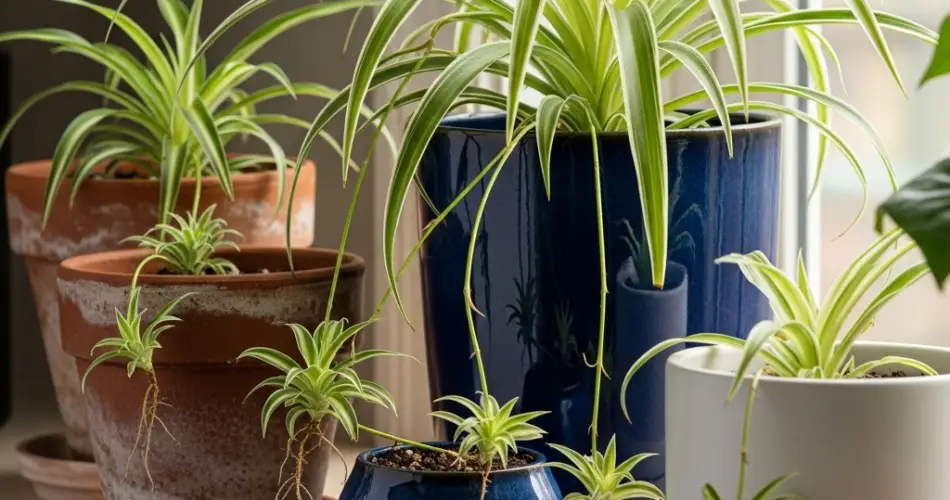
Spider plants (Chlorophytum comosum) are among the most adaptable and visually appealing houseplants, known for their cascading green-and-white striped foliage and arching stems that produce baby plantlets. These tough, forgiving plants can thrive in nearly any setting, and with a little creativity, you can grow them just about anywhere—even in the most unconventional containers.
Whether you’re short on space, looking for stylish indoor greenery, or want to add a bit of flair to your plant display, spider plants are an excellent candidate for container creativity. Here’s how to grow them successfully and make the most of unique potting ideas.
Why Choose Spider Plants?
Before diving into container ideas, it’s worth noting why spider plants are such a popular choice:
-
Low maintenance: They tolerate a wide range of conditions and bounce back easily from neglect.
-
Air purifying: Spider plants are known to help clean indoor air by removing toxins like formaldehyde and carbon monoxide.
-
Pet-friendly: They’re non-toxic to cats and dogs.
-
Self-propagating: The “babies” or offshoots can be rooted to make new plants effortlessly.
Because of their resilient nature, spider plants adapt well to various potting styles, which makes them ideal for creative containers.
Best Soil and Light for Spider Plants
Before selecting a container, it’s important to know what kind of environment spider plants prefer.
-
Soil: Use a well-draining potting mix. A standard indoor plant mix works well, or you can amend regular potting soil with perlite or coarse sand to improve drainage.
-
Light: Bright, indirect light is best. They tolerate low light but grow more slowly and may lose some of their color vibrancy. Avoid harsh direct sun, which can scorch the leaves.
-
Water: Keep the soil lightly moist, allowing the top inch to dry out between waterings. Overwatering is one of the few things that can harm spider plants.
Creative Container Ideas for Spider Plants
Thanks to their compact root system and trailing growth habit, spider plants are a natural fit for a variety of fun and functional containers. Here are some innovative ways to display them:
1. Hanging Baskets
Spider plants look stunning when suspended. Their arched leaves and dangling plantlets create a natural waterfall effect. Use macramé hangers, wall-mounted planters, or traditional hanging baskets in kitchens, patios, or living rooms with bright indirect light.
2. Wall-Mounted Pots
Wall-mounted planters are perfect for small spaces. Choose containers with a slim profile or tiered wall units for a vertical garden effect. Spider plants’ cascading form adds dynamic texture to flat walls.
3. Mason Jars or Glass Containers
You can grow spider plants in water alone for short periods by placing cuttings or small plantlets in clear jars. The visible roots add a decorative, almost scientific touch. For long-term growing, however, use soil-filled containers with proper drainage.
4. Repurposed Kitchenware
Colanders, teacups, kettles, or even old coffee pots can be converted into quirky plant holders. Drill small drainage holes if necessary, and line the base with gravel or small stones to prevent water from accumulating at the bottom.
5. Tiered Plant Stands
Use multi-level plant stands to group several spider plants together in creative pots. This not only saves floor space but also creates a visually appealing green corner in your home.
6. Window Boxes or Ledges
Spider plants love the light near windows. Install narrow planters on windowsills or ledges. You can also use suction-cup pots for glass windows or sliding doors to give them a sun-loving perch.
7. Desktop or Shelf Containers
Smaller spider plants do well in compact pots on desks, bookshelves, or bedside tables. Choose containers that match your interior style—wooden boxes, ceramic bowls, or minimalist concrete pots all work well.
8. Recycled Items
Think outside the box with items like tin cans, woven baskets, or fabric pouches lined with plastic. Just ensure there’s a way for excess water to drain or evaporate to prevent root rot.
Potting Tips for Success
-
Drainage is essential: No matter how creative your container is, make sure water doesn’t pool at the bottom. Use pots with drainage holes or add a layer of pebbles if you’re using unconventional vessels.
-
Choose the right size: Spider plants prefer slightly snug containers. Too large a pot can retain excess moisture and slow growth.
-
Repot when necessary: Every 1–2 years, refresh the plant’s soil and consider upgrading to a slightly larger pot if roots are circling the base.
Final Thoughts
With the right care and a touch of creativity, spider plants can become a design statement as much as a houseplant. Their easygoing nature makes them ideal candidates for non-traditional planters—from jars and tins to hanging baskets and wall-mounted displays.
Whether you’re aiming to green up a small apartment, add charm to a minimalist space, or simply enjoy a fun indoor gardening project, spider plants in creative containers bring beauty, air purification, and a bit of nature’s whimsy to any environment.


