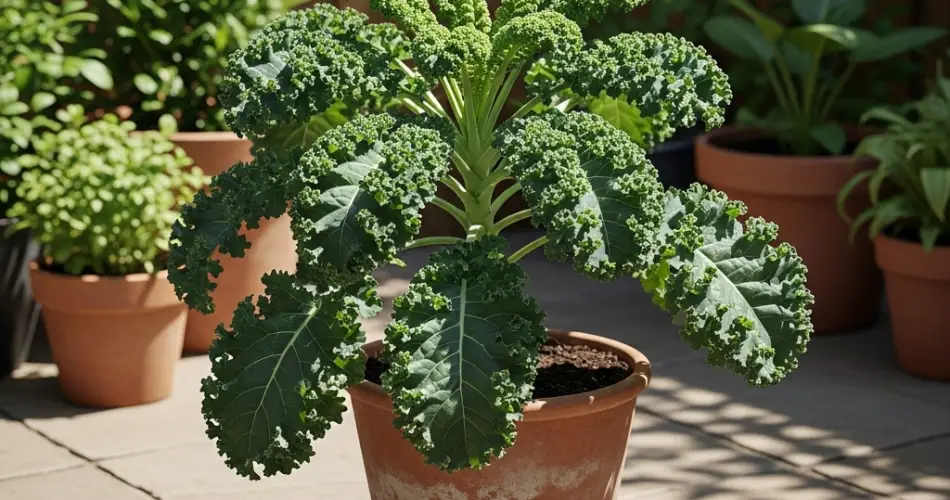
Kale is one of the most nutrient-dense leafy greens, and fortunately, it’s also one of the easiest vegetables to grow in containers. Whether you have a small patio, sunny balcony, or even just a windowsill with good light, kale thrives with the right care. Growing kale in pots is an excellent solution for those who want a continuous supply of fresh greens without needing a full garden.
This guide walks you through the essentials of successfully growing kale in pots, from container choice to harvesting, so you can enjoy vibrant, healthy leaves at home.
Why Kale is Perfect for Container Gardening
Kale belongs to the brassica family and is known for its hardiness, tolerance of cool weather, and consistent growth. It doesn’t demand a large growing area and has shallow roots compared to other vegetables, making it ideal for pot cultivation. Beyond its practical appeal, kale is packed with vitamins A, C, and K, as well as fiber and antioxidants.
Picking the Right Pot and Soil
Container Size
Choose a container that is at least 10 to 12 inches deep and wide. Kale plants need room to grow a robust root system and spread their leaves. For larger harvests, use a pot that’s at least 12 inches in diameter, or plant multiple kale plants in a wide trough-style planter.
Ensure the container has good drainage holes. Excess water can quickly lead to root rot, especially in cooler months.
Soil Mix
Use a high-quality potting mix rich in organic matter. A blend with compost or well-rotted manure is ideal. The soil should be light and well-draining to prevent waterlogging but able to retain moisture to keep the roots consistently hydrated.
Sowing and Transplanting
You can grow kale either from seeds or seedlings. If using seeds, sow them directly into your container at a depth of ½ inch. Keep the soil moist until germination occurs, usually within 5 to 10 days.
If starting with nursery seedlings or ones you started indoors, transplant them once they are about 4 inches tall. Space each plant 10 to 12 inches apart to allow proper air circulation and leaf development.
Sunlight and Temperature
Kale prefers full sun but will tolerate partial shade, especially in hot climates. Ideally, place your pots where they will receive at least 6 hours of sunlight per day. In warmer regions, morning sun and afternoon shade help prevent bolting.
Kale thrives in cooler temperatures, ideally between 10°C and 24°C (50°F to 75°F). It can tolerate light frost and, in fact, develops a sweeter flavor after exposure to chilly nights.
Watering and Fertilizing
Watering
Water regularly to keep the soil evenly moist but never soggy. Container soil dries out faster than ground soil, especially in hot or windy conditions. Check moisture levels daily, particularly during warm spells.
Feeding
While kale isn’t overly demanding, it benefits from regular feeding. Use a balanced liquid fertilizer or fish emulsion every 2–3 weeks to support healthy growth. Alternatively, top up the soil with a layer of compost every few weeks to provide a steady nutrient supply.
Ongoing Care
-
Mulch: Add a layer of organic mulch (like straw or shredded leaves) to help retain soil moisture and regulate temperature.
-
Pruning: Remove yellowing or damaged leaves to keep the plant healthy.
-
Pests: Watch for common brassica pests like aphids, cabbage worms, and flea beetles. You can remove them manually, use neem oil spray, or introduce companion plants like thyme or nasturtiums to deter insects.
Harvesting Kale
You can start harvesting kale when the leaves are about the size of your hand. Use the “cut-and-come-again” method by picking the outer, lower leaves while leaving the central bud intact. This encourages continued leaf production and prolongs the harvest.
Always harvest leaves before they become too large or tough. Frequent harvesting also helps reduce the risk of pest infestations and disease.
With proper care, a single kale plant can produce fresh leaves for several months, especially in cooler weather.
Overcoming Common Issues
-
Bolting: Kale may bolt (flower and stop producing leaves) if exposed to long daylight hours and heat. Choose bolt-resistant varieties and provide shade during peak summer temperatures.
-
Root rot: This can occur if the container lacks proper drainage. Make sure water doesn’t pool at the bottom.
-
Leggy growth: If the plant becomes tall and spindly, it’s likely not receiving enough light. Move the container to a sunnier location.
Final Thoughts
Kale grown in pots proves that even the smallest space can yield abundant, nutritious greens. With the right pot, rich soil, consistent watering, and sunlight, you’ll be rewarded with a steady supply of flavorful kale leaves.
This container-grown approach makes kale accessible to anyone—urban gardeners, apartment dwellers, or anyone short on space but eager for fresh, homegrown vegetables. Start your kale-in-a-pot project today and enjoy its crisp texture and health benefits right from your patio, balcony, or kitchen window.


