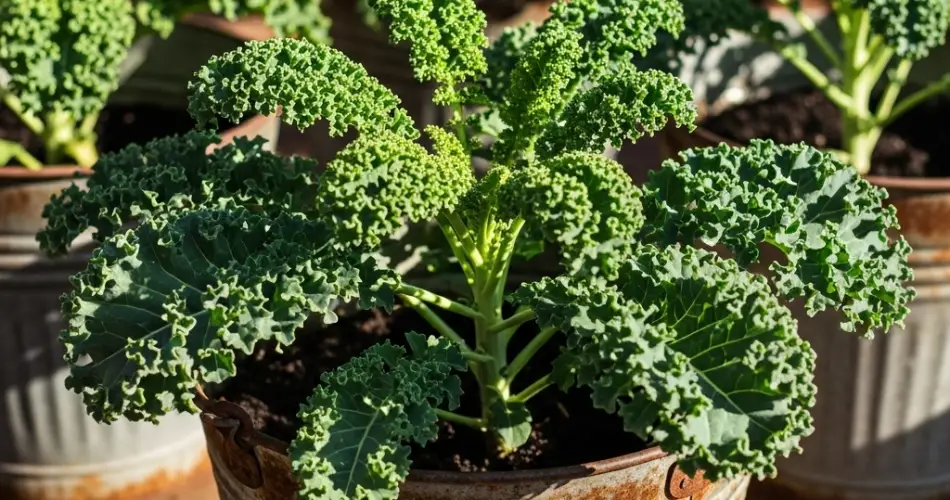
Kale is a highly nutritious, hardy leafy green that thrives in container gardens, making it ideal for urban spaces, patios, and balconies. With the right care, kale can provide a steady supply of vibrant, tender leaves for salads, smoothies, and cooking. Successful container cultivation depends on proper soil preparation, consistent watering, and adequate sunlight. Understanding these key factors ensures healthy growth and a bountiful harvest.
Choosing the Right Container
Selecting the right container is essential for kale success. Choose a pot or container with a depth of at least 12 inches to accommodate the plant’s deep roots. Containers should have drainage holes to prevent water from pooling at the bottom, which can cause root rot. Lightweight containers, such as plastic or fiberglass, are easy to move, allowing you to adjust placement for optimal sunlight or protection from harsh weather. Terracotta pots can also be used but may dry out faster, requiring more frequent watering.
Preparing Soil for Kale
Kale thrives in fertile, well-draining soil. A high-quality potting mix enriched with compost or organic matter provides essential nutrients while retaining adequate moisture. Incorporating perlite or coarse sand improves drainage and aeration, preventing soil compaction and supporting healthy root development.
Kale prefers a slightly acidic to neutral soil pH of 6.0–7.5. Test your soil mix and adjust as necessary using garden lime or sulfur to maintain optimal pH levels. Filling the container about 1–2 inches below the rim allows room for watering and mulching.
Choosing Kale Varieties
Several kale varieties perform well in containers. Loose-leaf types, such as ‘Dwarf Blue Curled’ or ‘Lacinato,’ are particularly suitable due to their manageable size and fast growth. These varieties allow for continuous harvesting of outer leaves, encouraging new growth and prolonging the productive period.
Consider heat-tolerant varieties in warmer climates to prevent premature bolting and maintain leaf tenderness.
Planting Kale in Containers
Kale can be grown from seeds or seedlings. For seeds, sow them about ½ inch deep and space them approximately 6–12 inches apart, depending on the variety. Once seedlings develop a few true leaves, thin them to allow adequate airflow and reduce competition for nutrients.
If using seedlings, transplant carefully into the prepared container, firming the soil gently around the roots. Water immediately to settle the soil and reduce transplant shock. Planting at the correct depth ensures strong, upright growth and healthy root development.
Watering Kale Consistently
Kale requires consistent moisture to thrive. The soil should remain evenly moist but not waterlogged. Shallow roots in container-grown plants can dry out quickly, especially during hot weather. Water thoroughly when the top inch of soil feels dry, ensuring excess water drains from the bottom.
Morning watering is ideal, as it allows leaves to dry during the day, reducing the risk of fungal diseases. Mulching the soil surface with straw or shredded leaves helps retain moisture, moderate soil temperature, and minimize evaporation.
Sunlight Requirements
Kale is a sun-loving plant that performs best with 6–8 hours of direct sunlight per day. Adequate light encourages robust growth, vibrant leaf color, and rich flavor. In extremely hot climates, partial afternoon shade can prevent leaf scorching and bolting.
For container gardening, the ability to move pots provides flexibility in managing sunlight exposure, ensuring kale receives the optimal balance of light throughout the day.
Fertilization and Maintenance
Regular fertilization supports healthy growth and leaf production. Use a balanced, water-soluble fertilizer every 2–3 weeks during the growing season, or incorporate compost for a more natural approach. Avoid excessive nitrogen, which can lead to overly lush foliage at the expense of flavor and texture.
Prune yellowing or damaged leaves promptly to maintain plant health and encourage new growth. Harvest outer leaves as needed, leaving the center intact for continuous production. This “cut-and-come-again” method ensures a steady supply of fresh kale throughout the season.
Benefits of Growing Kale in Containers
Container gardening allows gardeners to grow kale in small spaces while maintaining control over soil, water, and sunlight. It reduces exposure to pests and soil-borne diseases and enables precise management of growing conditions. With proper care, container-grown kale produces abundant, tender leaves suitable for a variety of culinary uses.
By selecting the right container, preparing nutrient-rich soil, providing consistent watering, and ensuring adequate sunlight, gardeners can successfully grow kale in urban settings. Container-grown kale is a practical, convenient, and rewarding way to enjoy fresh, healthy greens year-round.


