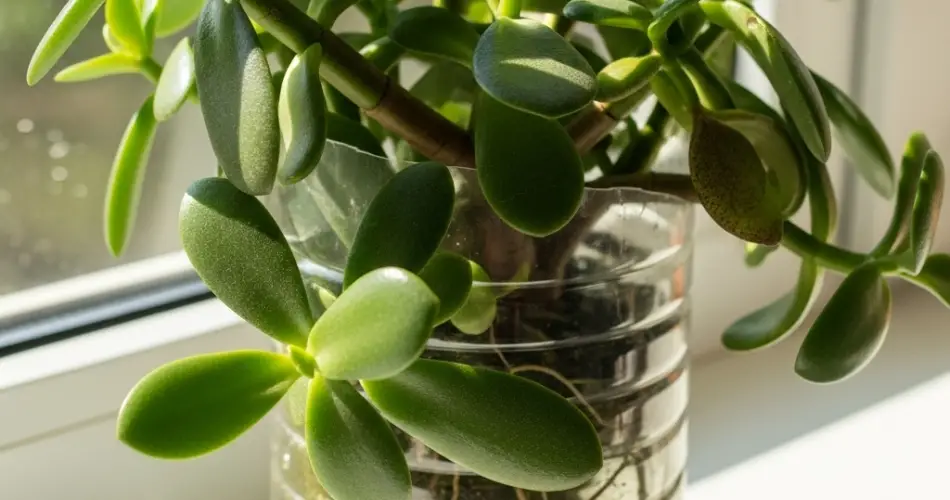
The jade plant (Crassula ovata) is one of the most beloved succulents for indoor gardening. Known for its thick, oval-shaped leaves and tree-like growth habit, it symbolizes prosperity and good fortune in many cultures. One of its most appealing traits, however, is how easily it can be propagated—whether in soil or water.
Using recycled plastic bottles for propagation is a sustainable and space-saving way to grow jade plants. Whether you’re starting from a single leaf or a small stem cutting, bottles offer a simple, low-cost container solution for new plant growth. This article will walk you through how to propagate jade plants using either soil or water, all in upcycled bottle planters.
Why Propagate Jade Plants in Bottles?
Jade plants are naturally suited for propagation. With just a healthy leaf or stem segment, you can grow a new plant. Using plastic bottles makes the process cleaner and more manageable, especially for small spaces like windowsills, kitchen counters, or desks.
Benefits of propagating jade plants in plastic bottles:
-
Reuses materials that would otherwise become waste
-
Offers a clear view of root development (especially with transparent bottles)
-
Ideal for compact, indoor propagation setups
-
Easy to transport and manage
-
Suitable for both water and soil propagation methods
What You’ll Need
Gather the following supplies before getting started:
-
A healthy jade plant (for leaf or stem cuttings)
-
A clean plastic bottle (500 ml to 2 liters)
-
Sharp scissors or a knife
-
Potting mix (for soil propagation) or clean water (for water propagation)
-
Pebbles or gravel (for drainage in soil setup)
-
Optional: activated charcoal (to prevent odor or mold)
-
Optional: decorative materials (twine, paint, stickers)
Preparing the Plastic Bottle
Step 1: Cut the Bottle
Use scissors or a utility knife to cut the bottle roughly one-third from the top. The lower portion will be your planting container. If you’d like a self-watering version, invert the top portion into the base and thread a cotton wick through the cap.
Step 2: Clean Thoroughly
Wash and rinse the bottle to remove any residues. Let it dry completely before use.
Step 3: Add Drainage (for Soil Setup)
If you’re using soil, place a layer of small stones or pebbles at the bottom to improve drainage. You can also sprinkle a little activated charcoal over the stones to keep the soil fresh.
Propagation Method 1: In Soil
Step 1: Take a Cutting
Select a healthy leaf or stem. For leaves, gently twist one off at the base. For stems, cut a 2- to 4-inch section with at least a few leaves attached.
Step 2: Let the Cutting Callous
Place the cuttings in a dry, shaded area for 1 to 3 days. This allows the cut end to callous over, which helps prevent rot once planted.
Step 3: Prepare the Soil
Use a well-draining succulent or cactus mix, or make your own blend with:
-
2 parts potting soil
-
1 part coarse sand or perlite
Fill the bottle planter with the soil mix, stopping about an inch from the rim.
Step 4: Plant the Cutting
Insert the stem or leaf upright into the soil, just deep enough to keep it stable. For leaf cuttings, simply lay the leaf on the surface or insert the base slightly into the soil.
Step 5: Water Sparingly
Lightly mist the soil or water very gently. Avoid soaking the soil, as jade cuttings are prone to rot during early stages.
Place the bottle in a warm, bright spot with indirect sunlight. Roots typically begin forming in 2 to 4 weeks.
Propagation Method 2: In Water
Step 1: Choose a Stem Cutting
Water propagation works best with a stem rather than a single leaf. Cut a 3- to 4-inch healthy stem with a few leaves.
Step 2: Let the Cutting Callous
Just like in the soil method, let the cutting dry for 1 to 2 days.
Step 3: Place in Bottle with Water
Fill the plastic bottle with clean, filtered water. Submerge the bottom inch of the stem in water—leaves should stay above the water line.
Step 4: Monitor and Refresh
Place the bottle in indirect light. Change the water every 4–6 days to prevent bacterial buildup. Roots should begin to appear in 2–3 weeks.
Once roots are an inch or two long, transplant the cutting to soil for long-term growth.
Care Tips for Young Jade Plants
-
Lighting: Bright, indirect sunlight is best. Avoid direct midday sun, which can scorch tender cuttings.
-
Watering: For soil-based cuttings, water only when the top inch of soil is dry. For water propagation, keep the water level consistent.
-
Humidity: Jade plants prefer dry air. Avoid overly humid areas.
-
Fertilizing: Wait until the plant is well-rooted (4–6 weeks) before applying a diluted succulent fertilizer during the growing season.
Decorative and Practical Uses
Plastic bottle planters can be made attractive with a little creativity. Try wrapping the bottle in twine, painting it in neutral tones, or using stickers for a playful touch. Group several propagated jade cuttings together for a full, vibrant look.
This makes them perfect not only for your home but also as eco-conscious gifts or classroom gardening projects.
Conclusion
Propagating jade plants in plastic bottles is an easy, affordable, and sustainable way to grow your indoor garden. Whether you choose soil or water, the method requires minimal supplies and effort—yet delivers a highly rewarding experience. With a bit of patience, your single jade leaf or stem will transform into a thriving new plant, proving that even small efforts can lead to lush green results.


