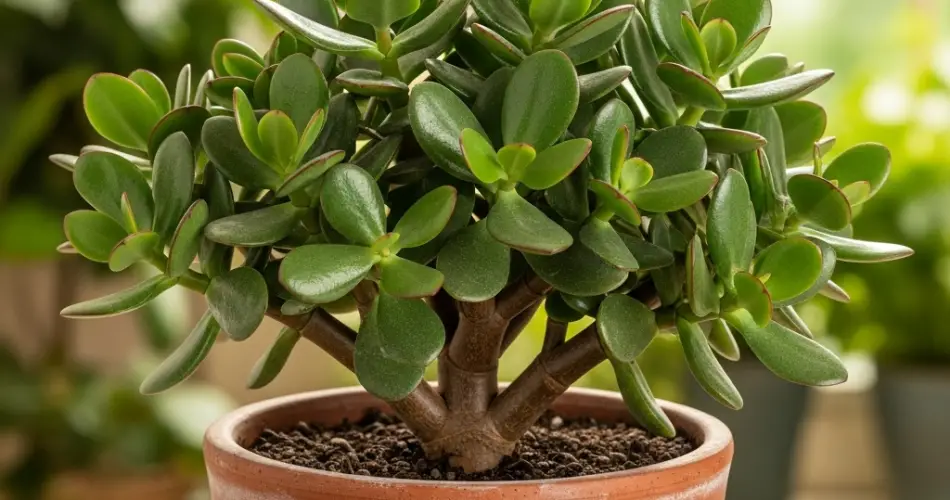
The jade plant (Crassula ovata) is one of the most beloved indoor succulents, admired for its thick, glossy leaves and ability to thrive with minimal care. Known as a symbol of luck, prosperity, and friendship, it is often gifted as a housewarming or office plant. While jade plants are naturally resilient, there are specific techniques you can use to encourage faster, healthier growth when grown in indoor containers.
With the right combination of pot selection, soil mix, lighting, watering, and pruning, your jade plant can become a lush, vibrant centerpiece that thrives for decades.
Choosing the Right Container for Strong Growth
The container you choose for your jade plant plays a key role in its long-term health.
-
Material: Terracotta pots are ideal for jade plants because they are porous, allowing excess moisture to escape. This reduces the risk of root rot, a common problem in succulents. Ceramic and plastic pots can also work if you monitor watering carefully.
-
Size: Select a pot that is only slightly larger than the root ball. Jade plants prefer being somewhat root-bound, and too much extra soil can retain excess moisture.
-
Drainage: A drainage hole is essential. Without it, water can accumulate at the bottom and cause the roots to rot.
The Perfect Soil Mix for Vigorous Jade Plants
Jade plants naturally grow in sandy, rocky soils that drain quickly. Indoors, you can mimic these conditions with a mix that promotes aeration and prevents water retention.
A good recipe is:
-
2 parts succulent or cactus potting mix
-
1 part coarse sand or perlite
This blend ensures that water flows freely through the soil, keeping the roots healthy. Avoid dense garden soil or standard indoor potting soil, as they can hold too much moisture.
Light: The Fuel for Leaf and Stem Development
Jade plants thrive in bright, indirect light, but they can also tolerate direct sun. A south-facing window is often the best location indoors, as it provides consistent light throughout the day.
If your jade plant starts growing tall, thin stems with wide gaps between leaves (a sign of stretching), it may not be getting enough light. In this case, move it closer to a window or supplement with a full-spectrum grow light.
Watering for Healthy, Steady Growth
Overwatering is the number one cause of jade plant problems. Their thick leaves store water, so they can tolerate periods of dryness far better than soggy soil.
The safest watering method is the “soak and dry” technique:
-
Water thoroughly until it drains from the bottom.
-
Allow the soil to dry completely before watering again.
In warmer months, this might be every 2–3 weeks. In cooler months, it could stretch to 4–6 weeks. Always adjust based on your home’s humidity, temperature, and light levels.
Fertilizing for More Robust Growth
During the active growing season—spring through early autumn—jade plants benefit from regular feeding. Use a diluted, balanced liquid fertilizer every 4–6 weeks. Fertilizing helps promote rich leaf color, strong stems, and a fuller plant.
Reduce or stop fertilizing during winter, when growth naturally slows. Overfeeding during dormancy can lead to weak, spindly growth.
Pruning to Encourage Bushy, Attractive Plants
Pruning helps shape your jade plant and stimulates branching. This not only makes the plant look fuller but also helps balance its weight, as jade plants can become top-heavy over time.
Use clean, sharp scissors or pruning shears to cut just above a leaf node. New shoots will sprout from the cut point, creating a more compact, bushy form.
Avoiding Common Indoor Growing Problems
-
Wrinkled leaves: Usually a sign of underwatering—give a deep soak and resume a regular watering schedule.
-
Soft, mushy leaves: Often caused by overwatering—allow the soil to dry out completely before watering again.
-
Leggy growth: Caused by low light—move the plant to a brighter location or add artificial lighting.
Repotting for Continuous Health
While jade plants like to be somewhat root-bound, they will eventually need a fresh pot and soil to continue growing. Repot every 2–3 years in spring. This refreshes the soil’s nutrients and gives the roots more space to expand.
When repotting:
-
Remove the plant gently from its container.
-
Shake off old soil and trim any damaged roots.
-
Place in a new pot with fresh succulent mix.
-
Water lightly to settle the soil.
The Role of Location in Growth and Energy
Many jade plant owners place their plants in entryways, living rooms, or workspaces, not just for their beauty but also for their symbolic meaning. In some traditions, placing a jade plant near the entrance is thought to invite prosperity into the home. While the symbolism is optional, there’s no denying that their vibrant green leaves add a fresh, lively touch to any space.
Final Thoughts
A jade plant in an indoor container can be much more than a decorative accent—it can become a lasting, living companion. By choosing the right pot and soil, providing ample light, watering sparingly, and pruning regularly, you can encourage strong, healthy growth for many years.
With minimal care, a jade plant can thrive for decades, growing into a lush, sculptural presence that not only enhances your home but also carries with it a sense of tradition, good fortune, and resilience.


