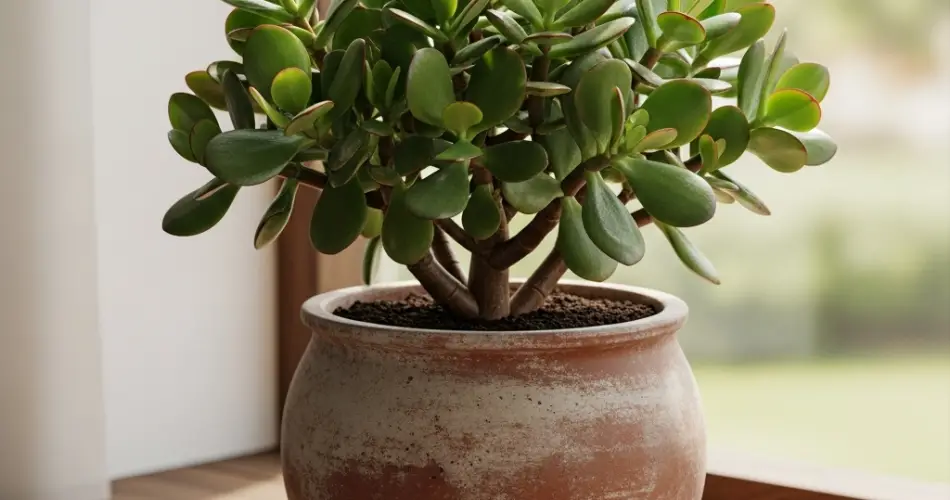
Jade plants (Crassula ovata) are among the most beloved houseplants for their attractive, fleshy leaves, resilience, and reputation for bringing good fortune. These succulents are low-maintenance yet can live for decades, often becoming cherished family heirlooms. One of the most rewarding aspects of jade plant care is that they’re incredibly easy to propagate—meaning you can grow new plants from just a small cutting.
Whether you’re starting with a fresh leaf or an established plant, understanding jade’s needs from propagation through potting ensures a healthy, long-lived specimen. Here’s a detailed guide to take you from start to finish.
1. Understanding the Jade Plant
Native to South Africa and Mozambique, jade plants thrive in warm, dry climates and can store water in their thick leaves and stems. Indoors, they adapt well to a range of conditions, making them ideal for beginners and experienced gardeners alike. Their compact size, slow growth, and sculptural form also make them a favorite for decorative displays.
2. Choosing a Propagation Method
Jade plants can be propagated in two main ways:
-
Leaf Cuttings – Select a healthy, plump leaf and gently twist it from the stem. Let the leaf dry for 1–2 days so the cut end can callus over. This prevents rot when it’s placed in soil.
-
Stem Cuttings – For faster growth, take a 3–5 inch section of stem with several leaves attached. Allow it to dry for a few days before planting.
Both methods are simple, but stem cuttings tend to establish more quickly and develop into full plants faster.
3. Preparing the Right Pot and Soil
Jade plants require excellent drainage to prevent root rot. Choose a pot with drainage holes, preferably made of terracotta or clay, which helps wick away excess moisture.
For soil, use a cactus or succulent mix, or make your own by combining:
-
2 parts potting soil
-
1 part coarse sand or perlite for aeration
-
1 part pumice or fine gravel for drainage
This mixture mimics the plant’s native environment, ensuring roots have access to air while avoiding waterlogging.
4. Planting the Cutting
Once your leaf or stem cutting has callused, plant it in slightly moist soil. Insert a stem cutting deep enough to stay upright or simply lay a leaf flat on the surface, pressing it gently into the mix.
Place the pot in bright, indirect light and avoid watering for the first week, allowing the cutting to focus on root development rather than leaf growth.
5. Light Requirements for Growth
Jade plants thrive in at least 4–6 hours of bright, indirect sunlight daily. A south-facing window is ideal, but they can also do well under grow lights if natural light is insufficient.
-
Too much direct sunlight can scorch leaves, leaving brown patches.
-
Too little light results in stretched, leggy growth.
Rotate the pot every few weeks so the plant grows evenly on all sides.
6. Watering Wisely
Overwatering is the fastest way to harm a jade plant. Follow the “soak and dry” method:
-
Water thoroughly until it drains from the bottom of the pot.
-
Allow the soil to dry completely before the next watering.
During the active growing season (spring and summer), you may need to water every 2–3 weeks. In fall and winter, reduce watering to once a month or less, as growth slows.
7. Temperature and Humidity
Jade plants prefer temperatures between 60–75°F (15–24°C) but can tolerate brief dips as low as 50°F (10°C). Keep them away from cold drafts, heaters, or air conditioners, as sudden temperature shifts can cause stress.
They thrive in low to average household humidity, making them perfect for indoor environments.
8. Fertilizing for Healthy Growth
Feed jade plants once every 4–6 weeks during the growing season with a balanced, diluted succulent fertilizer. Avoid overfertilizing, as too many nutrients can cause soft, weak growth. Stop fertilizing entirely during winter dormancy.
9. Repotting and Long-Term Care
Jade plants grow slowly and often only need repotting every 2–3 years. Signs it’s time to repot include:
-
Roots circling the bottom of the pot
-
Soil that dries out unusually fast
-
The plant becoming top-heavy
When repotting, move the plant into a pot only one size larger to prevent excess soil from holding too much water.
10. Pruning and Shaping
Pruning helps maintain a compact, attractive shape and encourages branching. Use clean, sharp scissors to cut above a leaf node, which will stimulate new growth. You can use the trimmed stems as cuttings to start even more plants.
11. Common Problems and Solutions
-
Wrinkled leaves – Often a sign of underwatering. Give a deep watering and adjust your schedule.
-
Mushy leaves – Usually due to overwatering or poor drainage. Allow the soil to dry fully before watering again.
-
Pale leaves – Can indicate too little light. Move the plant to a brighter spot.
Final Thoughts
Growing jade plants from cuttings is a simple and rewarding process. By providing the right soil, light, and watering routine, you can enjoy a thriving plant that may live for decades. With patience, your jade will grow from a small start into a full, lush specimen, offering both beauty and a sense of accomplishment in your indoor garden.


