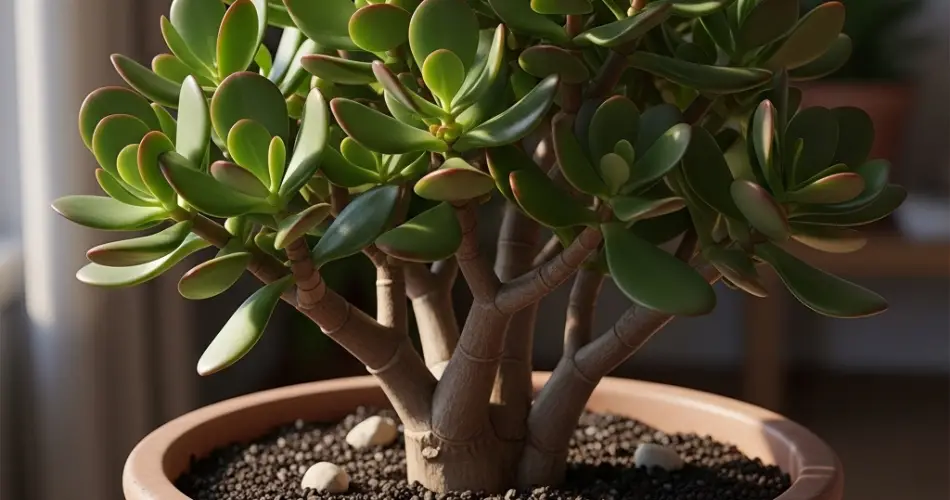
Jade plants (Crassula ovata) are cherished not only for their attractive, fleshy green leaves and easy-care nature but also for the symbolism they carry. In many cultures, they are seen as symbols of prosperity, luck, and friendship. Whether placed on a sunny windowsill, in an office, or in the entryway of a home, jade plants bring a touch of greenery that can thrive for decades with the right care.
Growing a jade plant in a pot is a practical choice for most indoor gardeners, as it allows you to control soil quality, watering, and placement for optimal health.
Why Jade Plants Make Ideal Indoor Companions
Jade plants are succulents, meaning they store water in their thick leaves and stems. This natural adaptation makes them tolerant of occasional neglect and ideal for busy households or workspaces. Their neat, tree-like form adds structure to indoor décor, and their slow growth rate means they won’t outgrow their space too quickly.
Symbolically, they’re often given as gifts during housewarmings or the New Year, as their coin-shaped leaves are thought to attract financial good fortune.
Choosing the Right Pot for Your Jade Plant
The pot you choose for your jade plant is more than just a decorative container—it plays a crucial role in the plant’s health.
-
Material: Terracotta or unglazed ceramic pots are excellent choices because they allow excess moisture to evaporate, reducing the risk of root rot. Plastic pots retain more moisture, which can be beneficial in drier climates but risky if you tend to overwater.
-
Size: Select a pot that’s only slightly larger than the plant’s root ball. Too much extra soil can retain excess water, creating conditions for rot.
-
Drainage: A pot with a drainage hole is essential. Jade plants dislike sitting in waterlogged soil, so ensure that excess water can flow out freely.
The Best Potting Mix for Jade Plants
Because jade plants are succulents, they thrive in a gritty, well-draining soil mix. The ideal medium mimics their natural habitat, where rainwater drains quickly through sandy, rocky ground.
A good potting mix can be made by combining:
-
2 parts cactus or succulent soil
-
1 part coarse sand or perlite for aeration
Avoid heavy, moisture-retentive soils, as these can lead to fungal problems.
Light Requirements for Healthy Growth
Jade plants need plenty of sunlight to maintain their compact growth and rich green color. A bright, south-facing window is ideal, but they can also adapt to east or west exposure.
If placed too far from a light source, their stems may elongate and become leggy. In such cases, supplemental grow lights can help them thrive indoors.
Watering a Potted Jade Plant
The most common mistake with jade plants is overwatering. They prefer the “soak and dry” method:
-
Water thoroughly until excess drains out the bottom.
-
Allow the soil to dry completely before watering again.
In warmer months, this might mean watering every 2–3 weeks; in cooler months, every 4–6 weeks may suffice. Always adjust based on the plant’s environment and season.
Fertilizing for Growth and Color
During the active growing season (spring and summer), feed your jade plant with a diluted, balanced liquid fertilizer every 4–6 weeks. Reduce feeding in autumn and stop during winter when growth naturally slows.
Fertilizing helps maintain vibrant leaves and encourages sturdy branching, especially in younger plants.
Pruning and Shaping
Pruning is not only a way to maintain the jade plant’s shape but also to encourage branching. Using clean, sharp shears, remove overly long stems or any parts that look unhealthy. New shoots will emerge below the cut, creating a fuller, bushier plant.
Common Problems and Solutions
-
Wrinkled leaves: A sign of underwatering—water thoroughly and monitor the plant’s recovery.
-
Yellow or mushy leaves: Often caused by overwatering—check the roots for rot and allow soil to dry before resuming a lighter watering schedule.
-
Leggy growth: Usually due to insufficient light—move the plant closer to a bright window or use artificial lighting.
Repotting Your Jade Plant
Jade plants prefer being slightly root-bound, so repotting is usually needed only every 2–3 years. Spring is the best time to do it, as the plant is entering its growth phase.
When repotting:
-
Gently remove the plant from its old pot.
-
Shake off old soil and inspect roots for damage.
-
Place in fresh, well-draining mix and water lightly.
The Decorative and Symbolic Touch
Jade plants in pots can be both decorative and meaningful. Pairing them with stylish containers—like natural clay, glazed ceramics, or minimalist white planters—can complement modern or traditional interiors. Many people place them near entryways or desks to invite good fortune, making them not just a plant but a cherished indoor feature.
Final Thoughts
A jade plant in a pot is more than just a beautiful houseplant—it’s a living symbol of endurance, prosperity, and harmony. By choosing the right container, providing well-draining soil, ensuring bright light, and watering sparingly, you can enjoy a lush, vibrant jade plant that will thrive for many years. With minimal care, this “good luck charm” can grow into a family heirloom, passed down from one generation to the next.


