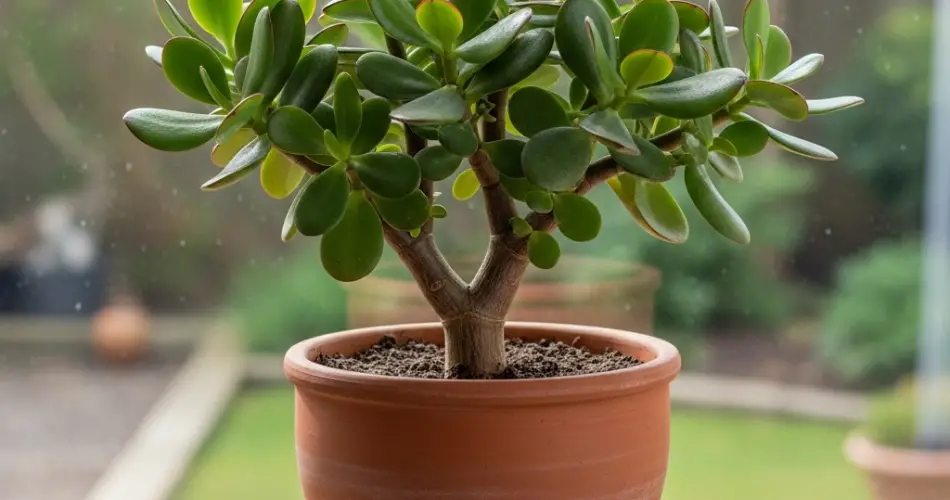
Jade plants (Crassula ovata) are known for their thick, glossy leaves and resilience, making them a favorite for both beginner and seasoned plant enthusiasts. Despite their reputation as easy-care succulents, the most common mistake made with jade plants is overwatering. This can quickly lead to root rot, a problem that can be fatal if not addressed early.
Learning how to water jade plants correctly is essential to keeping them healthy and vibrant for years. Here’s a complete guide to understanding their needs and preventing overwatering.
1. Understanding Jade Plant Water Needs
As succulents, jade plants store water in their fleshy leaves and stems, allowing them to survive drought-like conditions. In their native environments of South Africa and Mozambique, rainfall is infrequent, and the soil drains rapidly. Indoors, this means they prefer to be watered thoroughly but only when the soil is completely dry.
Watering too often or allowing the plant to sit in soggy soil can suffocate the roots, leading to decay. The key is mimicking their natural cycle—periods of hydration followed by dry spells.
2. Choosing the Right Pot and Soil
Overwatering problems often start with poor drainage. To prevent this:
-
Use a pot with drainage holes – Water must be able to escape freely. Without holes, water collects at the bottom, keeping roots constantly wet.
-
Opt for breathable materials – Terracotta and unglazed clay pots help wick away excess moisture.
-
Select a fast-draining soil mix – A commercial cactus or succulent mix works well, or you can make your own using:
-
2 parts potting soil
-
1 part coarse sand or perlite
-
1 part pumice or small gravel
-
This ensures that after watering, excess moisture drains away quickly, reducing the risk of root rot.
3. Mastering the “Soak and Dry” Method
The most effective watering routine for jade plants is the “soak and dry” method:
-
Check the soil – Insert your finger about 2 inches deep. If it feels completely dry, it’s time to water.
-
Water thoroughly – Pour water slowly over the soil until it begins to drain from the bottom.
-
Allow complete drainage – Empty any excess water from the saucer to avoid roots sitting in moisture.
-
Wait before watering again – Always let the soil dry out completely before the next watering.
In general, jade plants need watering every 2–3 weeks during active growth (spring and summer) and just once a month or less in their dormant season (fall and winter).
4. Adjusting for Seasonal Changes
Jade plants follow a natural growth cycle:
-
Spring and summer – Active growth means more frequent watering, but still only when soil is dry.
-
Fall and winter – Growth slows, and the plant uses less water, so reduce watering significantly.
Overwatering is especially risky in winter when evaporation is slower due to lower light and cooler temperatures.
5. Recognizing Signs of Overwatering
Catching overwatering early can save your jade plant. Watch for:
-
Soft, mushy leaves – Excess water causes cells to burst.
-
Yellowing leaves – Often a sign roots are suffocating.
-
Black or brown roots – Clear indicators of root rot.
If root rot is suspected, remove the plant from its pot, trim away affected roots, and replant in fresh, dry soil.
6. Avoiding Common Watering Mistakes
Many jade plant problems stem from well-intentioned but unnecessary watering. Avoid:
-
Watering on a fixed schedule – Always check soil dryness before watering.
-
Misting the leaves – Jade plants don’t need high humidity, and moisture on leaves can encourage fungal problems.
-
Using decorative pots without drainage – If you prefer these, keep the jade in a plastic nursery pot and place it inside the decorative container, removing it for watering.
7. Light and Environment’s Role in Watering
Light exposure directly affects how often your jade plant needs water:
-
Bright light – Plants in sunny spots will dry out faster.
-
Low light – Soil stays moist longer, so reduce watering frequency.
Temperature also plays a role. Warmer conditions mean faster evaporation, while cooler conditions slow water loss.
8. Fertilizing Without Overwatering
Fertilizing jade plants should be done sparingly to avoid stressing the roots. During spring and summer, feed with a diluted succulent fertilizer once every 4–6 weeks. Always water before applying fertilizer to prevent root burn, but avoid overwatering by letting the soil dry again before the next regular watering.
9. Long-Term Watering Habits for Healthy Growth
Once you’ve established a routine based on soil dryness rather than the calendar, your jade plant will reward you with steady, healthy growth. Older jade plants, with thicker trunks and more leaves, may go longer between waterings because they store more moisture.
Final Thoughts
The secret to thriving jade plants isn’t complicated—it’s all about restraint. By using the right soil and pot, practicing the “soak and dry” method, and adjusting for seasonal and environmental changes, you can enjoy a healthy jade plant for decades.
Overwatering may be the most common cause of jade plant problems, but it’s also the easiest to avoid. A little patience between waterings will keep your jade’s roots strong, its leaves glossy, and its overall growth steady.


