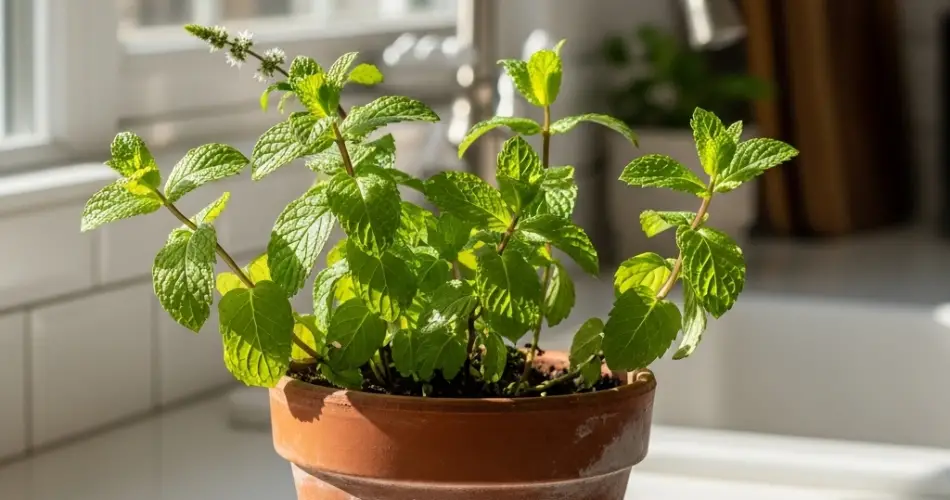
Mint is one of those herbs that every home cook wishes to have at arm’s reach. Its bright, refreshing flavor elevates drinks, desserts, and savory dishes alike. The good news is that mint is remarkably easy to grow indoors, making it possible to have fresh leaves available any time you need them. Growing mint by the kitchen sink is especially practical—water is close at hand, the herb adds a splash of green charm to your cooking space, and you’ll never have to rush to the store for a handful of leaves.
With just a little attention to light, soil, and watering, mint can thrive indoors year-round. Let’s explore the essential steps for creating your own sink-side mint garden.
Why Mint Works Well Indoors
Mint is one of the most forgiving herbs you can grow. Unlike delicate plants that require constant monitoring, mint adapts well to a variety of conditions and grows quickly. Its trailing habit makes it visually appealing in kitchen spaces, and the fragrance it releases when touched provides a fresh, natural air freshener.
Another advantage is that mint is highly productive. Once established, it continues to send out new shoots, ensuring a constant harvest. Because it grows so vigorously, mint is also a great starter plant for those new to indoor gardening.
Choosing the Right Container
Mint has a tendency to spread aggressively outdoors, but in a container, its growth can be controlled easily. For sink-side growing, choose a pot that is at least 8–10 inches wide and has good drainage holes. This allows room for the roots to expand without overwhelming the plant.
Terra cotta pots work well because they prevent the soil from staying too damp, but plastic or ceramic pots are also suitable. If you’d like to match your kitchen décor, decorative containers can be used as long as the inner pot provides proper drainage.
Soil and Planting Basics
Mint prefers moist but well-draining soil. A standard potting mix works fine, but you can improve it by adding perlite or coconut coir for better aeration. Compost or organic matter can also be mixed in to boost nutrients.
When planting mint indoors, you can start with a small nursery plant, a rooted cutting from a friend’s garden, or even propagate it by placing cut stems in water until roots appear. Once transferred to soil, mint adapts quickly and begins producing leaves.
Light Requirements
Mint doesn’t require intense sunlight, which makes it perfect for indoor growing. Place your pot near the kitchen sink where it can get indirect light for most of the day. A bright windowsill facing east or west works well, as too much harsh midday sun can scorch the leaves.
If your kitchen doesn’t receive enough natural light, mint can still thrive under artificial grow lights. Aim for about 10–12 hours of light daily to keep the plant healthy and leafy.
Watering and Moisture Control
Water is the key to keeping mint thriving indoors. The soil should always feel slightly damp but never soggy. Since your plant is located near the sink, watering becomes convenient, but it’s important not to overdo it. Check the soil regularly by pressing your finger into the top inch—if it feels dry, give the plant a good soak until water drains from the bottom.
Mint also appreciates higher humidity. Kitchens are often naturally more humid, but if your home is dry, consider misting the leaves occasionally. Just be sure the leaves don’t stay wet for too long, as this can lead to fungal problems.
Pruning and Harvesting
Pruning mint regularly not only provides fresh leaves for your meals but also keeps the plant healthy. Harvest by snipping stems just above a pair of leaves, which encourages branching and denser growth.
Never remove more than one-third of the plant at once—this ensures the mint has enough foliage to continue photosynthesizing and producing new shoots. Frequent harvesting also prevents the plant from becoming leggy or flowering, both of which can reduce leaf quality.
If flower buds appear, pinch them off right away. While mint flowers are attractive, they can cause the leaves to lose some of their flavor intensity.
Keeping Mint Productive Year-Round
To keep your sink-side mint flourishing, refresh the soil every year or so, as nutrients get depleted over time. A light feeding with liquid fertilizer every month helps replenish nutrients and supports continuous growth.
If your mint becomes root-bound, consider dividing the plant. Simply remove it from the pot, separate the root ball into sections, and replant in fresh soil. This rejuvenates the plant and gives you more pots of mint to place around the house or share with friends.
Creative Kitchen Uses
Having mint growing near your sink means fresh flavor is always within reach. Use it in:
-
Drinks – Add to teas, cocktails, or infused water.
-
Cooking – Chop into salads, sauces, and marinades.
-
Desserts – Pair with chocolate, fruit, or whipped cream.
-
Garnishes – Brighten any dish with a sprig of green.
Final Thoughts
Mint brings both practicality and beauty into the kitchen. By the sink, it thrives in a convenient spot where watering is easy and light is often sufficient. With the right container, soil, and regular pruning, you’ll enjoy a steady supply of fresh, aromatic leaves. Indoor mint growing is simple, forgiving, and rewarding—making it a perfect herb for both new and seasoned indoor gardeners.


